


A property improvement plan has to do more than make a building look better. It must improve performance without disrupting the income the property already produces.
At Meadowlark Apartments, Coastline Equity combined targeted apartment renovations, common-area upgrades, and ongoing property management. Between 2017 and 2020, reported annual net operating income (NOI) increased from $309,000 to $548,000, while occupancy stayed above 95% during renovations.
The property: an opportunity to improve performance
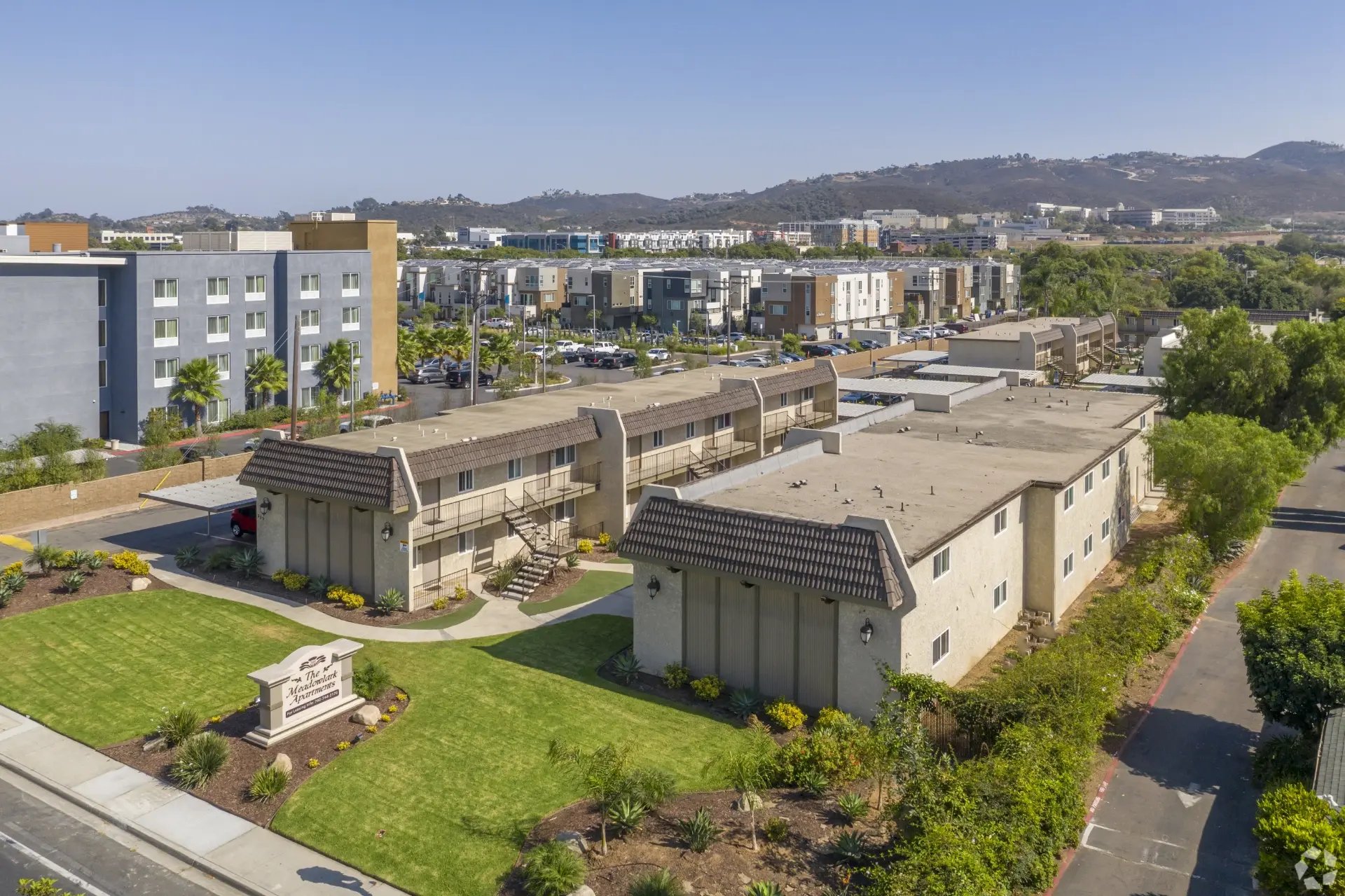
Meadowlark Apartments is a 64-unit multifamily community in San Marcos, California. When the property was acquired and transitioned to management in June 2017, it needed targeted improvements to remain competitive.
The challenge was not simply deciding what to renovate. It was how to complete those improvements while keeping apartments occupied, maintaining leasing activity, and protecting the income already supporting the property.
 Coastline Equity's approach paired physical upgrades with day-to-day operational management.
The strategy: improve the property without interrupting operations
Renovate apartments during unit turns
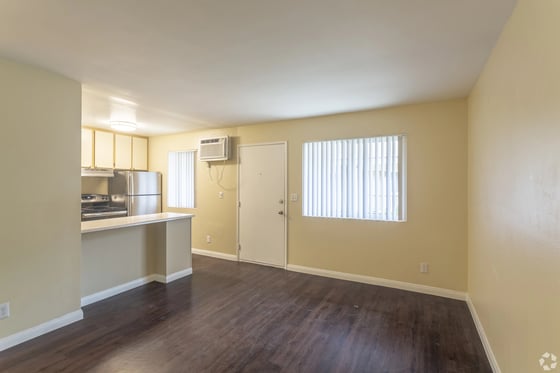
Apartment improvements included new paint, updated kitchens, and modern bathroom fixtures. Work during unit turns allowed upgrades to be incorporated into the property's regular leasing cycle.
Make shared spaces more competitive
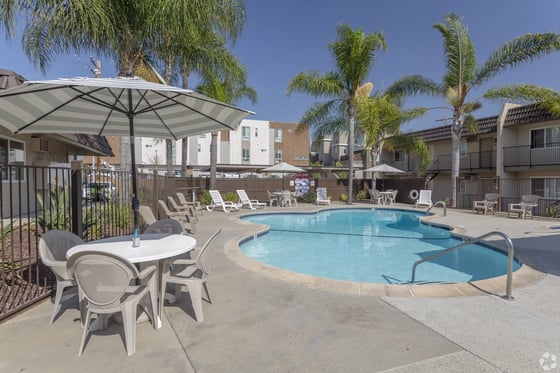
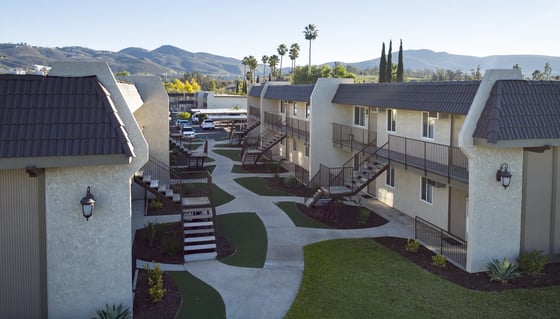
The improvement program also addressed landscaping, parking, the pool, and recreation areas. These changes targeted the condition and experience of the property as a whole, not just its individual apartments.
Phase the work around existing residents
Rather than treating renovation as a separate project disconnected from property management, improvements were phased while leasing and resident retention remained active priorities. According to the project summary, occupancy remained above 95% throughout the renovation period.
Support renovations with professional management
Leasing coordination and day-to-day operations continued alongside the improvement work. This helped keep the property functioning as an occupied community while the planned updates progressed.
The results: stronger income with occupancy maintained
The reported results show how Meadowlark's operating performance changed between 2017 and 2020.
| Performance measure | Before | After |
|---|---|---|
| Annual NOI | $309,000 (2017) | $548,000 (2020) |
| One-bedroom rent | $995 | $1,400 |
| Two-bedroom rent | $1,095 | $1,600 |
| Estimated value at 5.5% cap | $5.6M (2017) | $9.9M (2020) |
Annual NOI increased by $239,000, or approximately 77%. The project summary also reports average rental income growth of approximately 43.5%, additional annual income of approximately $250,000, and occupancy above 95% during renovations.
These figures illustrate the outcome across the comparison period; they do not establish that renovations alone caused every dollar of the increase. Rental-market conditions and other factors can also influence results.
What the NOI increase means for property value
An income-producing property can become more valuable when it generates more net operating income.
Using the same illustrative 5.5% capitalization rate for both years, Meadowlark's $309,000 in 2017 NOI corresponds to an estimated value of approximately $5.6 million. Its $548,000 in 2020 NOI corresponds to approximately $9.9 million.
That is about $4.3 million in estimated additional property value, using the same valuation assumption in both years.
This comparison shows the effect of higher NOI on an illustrative valuation. It does not represent a verified sale price, investor profit, or realized investment return.
RENOVATION PLANNING AND PROPERTY OPERATIONS NEED TO BE CONSIDERED TOGETHER.
What Multifamily Owners Should Consider
Focus improvements on property performance. Attractive finishes and better amenities matter, but the owner ultimately needs to understand how those improvements relate to leasing, income, expenses, and long-term asset condition.
Plan for disruption before construction starts. Renovation timing affects residents, unit availability, and rent collection. A phased approach can reduce disruption, although each property needs a plan suited to its occupancy and physical condition.
Measure outcomes beyond completion of the work. Tracking capital spending, occupancy, rents, and NOI makes it easier to evaluate whether a renovation strategy is delivering the intended results.
Owner takeaway
Before approving a value-add program, ask what needs improving, how the work will affect occupied units, what capital is required, and which operating measures will show whether the plan is working.
The Meadowlark example pairs a reported $600,000 improvement program with stronger NOI and stable occupancy during renovations. The broader lesson is to evaluate improvements as part of the property's operating plan—not only as a construction project.
Questions to ask before starting your own value-add project
- Which property conditions are limiting competitiveness or performance?
- What renovations are necessary, and what improvements are optional?
- How will work be scheduled around occupied units and lease expirations?
- How will occupancy, downtime, rents, and capital spending be monitored?
- What will demonstrate an improvement in NOI after the work is complete?
For a deeper framework, read Value-Add Multifamily Projects: What Owners Should Track.
Case study measurement note: The 2017 and 2020 estimated values are calculated from reported NOI using a constant 5.5% capitalization rate; they are not actual sales or appraised values.