A commercial property manager coordinates the building's daily operations, tenant needs and financial administration within an agreed scope. The work can include repairs, rent collection, reporting and leasing support. An owner should know who handles each responsibility and which decisions require owner approval.
The property matters. An office suite, a shopping center and a medical building serve different businesses. A manager needs to understand how those businesses use the space, what the leases assign to each party and what keeps the building operating. The California Department of Real Estate's property-management reference describes the field's maintenance, leasing, financial and tenant-relations responsibilities.
What does the manager handle day to day?
Building maintenance and repairs
The manager can arrange inspections, coordinate routine service, respond to reported problems and organize emergency work under the management agreement. Qualified contractors perform work that requires their expertise. A manager should know the building's equipment, service arrangements and unresolved issues.
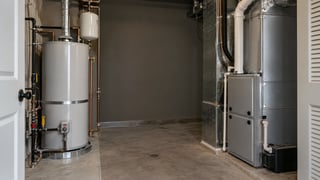
For an air-conditioning failure, the useful response includes the affected area, the contractor's findings, the proposed repair and the tenant's operating needs. If equipment replacement requires an owner decision, bring forward the cost and timing. A service call doesn't establish that the system is fixed; confirm the result and any remaining work.
Tenant relations and lease administration
The manager is often the point of contact for building problems, access arrangements and questions about the tenancy. Clear communication gives tenants a way to report an issue and find out what is happening. It also gives the owner visibility into repeated problems.
Lease administration can include tracking rent changes, expirations, options, insurance requirements and responsibility for building systems. The executed lease is the starting point. Keep a working calendar and bring questions about disputed provisions to the appropriate specialist. Final lease terms and binding commitments depend on the authority granted to the manager or leasing representative.
Financial administration and budgets
Depending on the engagement, the manager records rent charges and collections, follows up on receivables, reviews invoices and arranges authorized payments. Agree who handles taxes, insurance payments and other obligations, including the information and approvals that person needs. Hiring a manager doesn't automatically assign every financial responsibility.
A useful budget starts with the property's lease income, actual operating expenses and known changes. Separate recurring service costs from planned capital work. For example, a rooftop-unit service contract and a future unit replacement need different planning. Show the assumptions and cash timing so the owner can decide what to fund.
Financial reports should explain collected income, expenses, unpaid balances and differences from the budget. An owner also needs to understand which cash is available after outstanding obligations. A report should make the next decision easier. Property performance still depends on leasing conditions, expenses, financing and owner choices; management alone cannot guarantee profit.
Marketing and leasing support
For vacant space, the assigned manager or broker can organize property information, marketing, tours and proposals. Define who sets the asking terms, negotiates, approves concessions and executes documents. Tenant-improvement costs and space readiness belong in that discussion.
A leasing update should show where the space stands: inquiry, tour, proposal, negotiation or signed lease, with the next action. A signed lease still needs a delivery and move-in plan. Marketing activity doesn't guarantee occupancy, and quick responses alone don't guarantee that a tenant will renew.
The property type changes the operating work
Office buildings
Office tenants need reliable building access, common-area upkeep and working systems during their business hours. Consider after-hours access and air-conditioning requests, shared conference or amenity spaces, parking and contractor scheduling. Identify what is included in the lease before promising an additional service.
Retail centers
At a retail center, a parking-lot repair can affect several businesses and their customers. Plan work around access, deliveries and trading hours, then communicate the arrangement to affected tenants. Common-area cleaning, lighting and signage coordination need clear responsibility. The manager supports the property's operation; store sales and customer traffic have other influences.
Medical buildings
A medical tenant may need to coordinate patient access and appointments around building work. The manager should understand which building systems the owner maintains and what belongs to the tenant. Clinical operations and specialized healthcare requirements need the responsible provider and qualified specialists.
Industrial properties
Industrial operations can involve loading areas, delivery routes, equipment access and business-specific utility needs. Review the lease's repair assignments before arranging work or allocating its cost. Coordinate with the tenant so a contractor can reach the problem safely without assuming that every piece of operating equipment is the landlord's responsibility.
Expense recovery also varies with the lease. Coastline's CAM and NNN guide explains why the charge category, allocation and reconciliation matter. A building's commercial use alone doesn't establish which costs a tenant must pay.
What should an owner look for when hiring?
Look for experience with the property's use and operating demands. Ask a candidate to explain how they would handle a specific building problem, an upcoming lease expiration and a budget variance. Request redacted examples of their work so you can see the level of detail you would receive.
Put the service scope, approval limits and communication expectations in writing. Leasing brokers, maintenance vendors and financial specialists may work alongside the manager. Confirm who directs each part of the work and how an unresolved issue reaches the person who can decide.
A clear assignment can reduce the owner's daily coordination burden while keeping the owner involved in material decisions. For a detailed look at those responsibilities, read the commercial manager duties guide. If you already have a manager, the owner scorecard helps evaluate the work being delivered.
How are management fees structured?
A fee can be a flat amount, a percentage of collected rents or a combination, depending on the agreement. The DRE reference also discusses separate compensation for some leasing and project work. Compare the actual scope, fee basis and additional charges in the proposal. No general percentage tells you what Coastline would charge for a particular property.
Listen to The Owner Mindset
Watch or listen to What does a property management company do? from The Owner Mindset, published July 29, 2024.
Discuss the scope for your commercial property
Coastline's property management services include commercial properties. Owners can request a property management review to discuss the building, tenancy and work they need help managing. Bring the property's use, current management arrangement and the responsibilities you want the next manager to handle.





 Explore Our Services
.webp?width=300&height=200&name=charles-forerunner-3fPXt37X6UQ-unsplash-1920w%20(1).webp) Our Company
Our Company About Our CEO
 Explore Our Blog