California residential rental owners have two specific 2026 changes to address: appliance requirements for qualifying leases and new security-deposit return procedures. Existing rent limits, deposit documentation and just-cause rules still matter. Start with the property's location and tenancy records so you can identify which requirements apply.
Reviewed October 4, 2026. This guide covers selected statewide requirements for residential rentals. It is not a complete list of laws or a determination about an individual property.
Identify the rules for the actual property
Confirm the city or unincorporated county, ownership entity, certificate-of-occupancy date and tenancy history. Check the local housing agency's current rules, plus any subsidy or program agreement. A mailing address alone may not establish the governing jurisdiction.
The California Attorney General's rental-housing guidance explains statewide protections and local requirements. Keep the source and effective date with the property file. An exemption from one requirement does not establish an exemption from every other requirement.
2026 change: working stoves and refrigerators
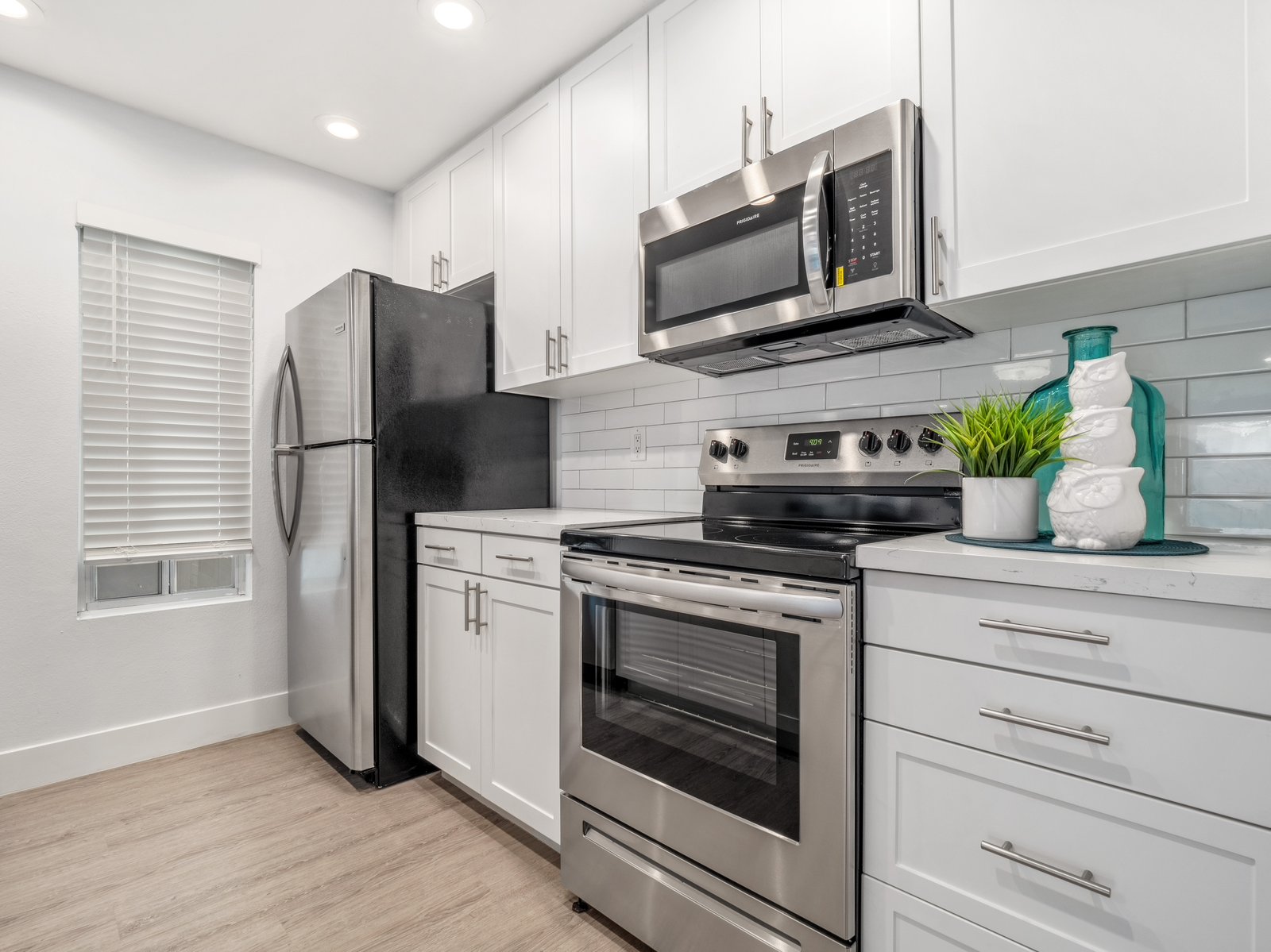
For leases entered into, amended or extended on or after January 1, 2026, Civil Code §1941.1 generally requires a working stove capable of safe cooking and a refrigerator capable of safe food storage. Enacted AB 628 contains the appliance requirements and specified exceptions for permanent supportive housing, qualifying single-room occupancy units, residential hotels and housing with shared or communal kitchens.
A resident may choose to supply and maintain a refrigerator through a mutual agreement at lease signing with the required lease statement. The lease must allow 30 days' written notice to end that choice, after which the landlord installs a working refrigerator. Providing a refrigerator cannot be a condition of tenancy. The statute also requires repair or replacement of a recalled stove or refrigerator within 30 days after notice; that deadline does not suspend remedies under §1942.
Before a covered lease event, check the equipment and any refrigerator agreement. Keep model and serial numbers with the appliance record so a recall can be matched to the unit. Record the notice date and completed repair or replacement. See our habitability guide for the broader condition standards and repair records.
2026 change: deposit return method and adult payees
Civil Code §1950.5, as amended by AB 414 effective January 1, 2026, changes return procedures. If the landlord received security or rent electronically, the remaining security generally must be returned electronically to an account the resident designates in writing, or through an available electronic method agreed to in writing. A written agreement can designate another return method.
Where the electronic-return rule does not apply, the general method is personal delivery or a check mailed by first-class mail. The law also addresses written notice of the electronic-return right, subject to stated exceptions. For multiple adult residents, the default is a check payable to all adults on the rental agreement at termination and delivery of the statement to one selected adult. A mutual written agreement with all adult residents can specify a different allocation and delivery arrangement. The statute has a separate exception for certain protected lease terminations under §1946.7.
Confirm the payment history, adult leaseholders and written instructions before preparing the refund. Keep the agreement and delivery evidence with the account. Do not infer the right payee from who originally clicked “pay.”
Keep deposit limits and photographs current
The general residential security limit is one month's rent, in addition to first-month rent. A qualifying natural-person landlord, or LLC whose members are all natural persons, may collect up to two months if the landlord owns no more than two residential rental properties with no more than four dwelling units offered for rent. That exception does not apply to prospective residents who are service members. The statute includes qualifying family-trust definitions; confirm ownership facts before using the exception.
Section 1950.5(c) does not apply to security collected or demanded before July 1, 2024. This is an existing rule, not a new 2026 cap. Separate service-member protections also apply to certain higher-than-advertised deposits within the general cap. Our security-deposit limit guide covers those conditions and worked examples.
For tenancies beginning on or after July 1, 2025, take move-in photographs immediately before or at the start. Since April 1, 2025, photographs are required after possession returns, before deductible repairs or cleaning, and after that work. Section 1950.5(h) generally requires the statement and remaining security within 21 calendar days after the resident vacates, with prescribed documentation and limited exceptions. Ordinary wear and preexisting defects cannot support a deduction.
Calculate rent limits for the correct period
For covered homes, Civil Code §1947.12 limits increases over a 12-month period to the lower of 5% plus the applicable cost-of-living change or 10%, measured from the lowest gross rent in the preceding 12 months. It also limits increases to two increments when the same resident remains.
The applicable CPI geography and effective date matter. Increases before August 1 use the prior year's April-to-April change; increases on or after August 1 use that year's change. The statute provides a March fallback where April data is unavailable. Local rent stabilization and emergency price-gouging protections may further restrict a proposed increase.
For an illustration only, a verified 7% limit applied to $2,000 produces $2,140. That calculation does not establish a property's actual percentage or authorize another increase after an earlier increase. Review the rent history and coverage first, then confirm the notice requirements before service.
Separate termination notices from court deadlines
Civil Code §1946.2 has its own just-cause coverage, exemptions and requirements for covered tenancies. Local rules can add protections. Lease expiration alone does not establish a permitted termination, and a generic 30- or 60-day notice is not a universal solution.
A court summons starts a different clock. The California Courts response instructions generally allow 10 court days after personal service of the summons and complaint, excluding weekends and court holidays. Substituted service and court-authorized posting and mailing generally involve 10 calendar days after mailing, followed by 10 court days. Other service arrangements have different rules. Use the actual proof of service, not the earlier termination-notice date.
Our California eviction guide explains the stages and supporting records. Property-specific legal strategy requires review of the actual facts; this article does not select a notice or authorize filing or removal.
Turn the review into assigned work
Ask your manager for the current lease forms, unresolved repair records and upcoming tenancy events. Put the next action and responsible person beside each item. For a lease extension, that could mean checking the appliance record and any resident refrigerator agreement before signing. For a move-out, it means organizing photographs, supported costs and refund instructions before the accounting deadline.
At the next owner review, ask what changed, what remains unresolved and when the missing record will be available. Keep disputed facts visible. A complete file makes the next decision easier to review; it does not guarantee compliance or eliminate a dispute.
Discuss property management support with Coastline Equity if you need help organizing the operating records behind these requirements. Include the property's location and the process you want to review. This is general owner education, not legal advice.

 Explore Our Services
.webp?width=300&height=200&name=charles-forerunner-3fPXt37X6UQ-unsplash-1920w%20(1).webp) Our Company
Our Company About Our CEO
 Explore Our Blog