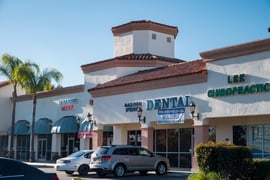
Real estate asset care is the owner-level step of turning asset objectives into an running plan and reviewing whether current facts support the next choice. Site care is often closer to daily execution: leasing oversight, upkeep coordination, updates, rent work, vendor work. Site records. The exact boundary depends on the owners structure, contracts, team, and asset.
Translate owner priorities into a plan
An asset team begins by knowing the owner's objectives, hold plan, risk tolerance, choice rights. Constraints. Those top tasks are then connected to the site's leases, physical state, cash needs, running budget, market context. Open work.
The resulting plan should spot guesses and unknowns. It may address leasing, upkeep, cash projects, financing coordination, plan, reports, or a possible repositioning. A plan is not a forecast or guarantee. It is a structured basis for deciding what to study, approve, defer, or change.
Review budgets and financial performance
Asset teams review budgets, actual transactions, forecasts, variances, and site-level money reports. They may work with site teams, accountants, lenders, tax advisers. Owners agents to clarify major items. Their role is to split what is known from what is estimated and to bring choices to the right owner.
Measures such as rent, vacancy, running expenses, net running income. Capitalization rate can help frame a discussion. Still, each depends on terms, periods. Source data. None should be used alone to promise a return or value. The owner should know what records support the figure and which guesses affect it.
Connect asset strategy with property operations
Daily running facts matters. This is because it reveals constraints and choices. Open upkeep, lease expirations, vendor results, unpaid balances, resident or tenant concerns. Check findings can affect the plan. The asset team does not simply receive a summary. The role includes asking whether big items have an accountable owner, next action, due date. Closure proof.
Coastline's site running model describes how current site facts, clear tracking, and owner choices fit together. The step is intended to make work clear. It does not set that a particular running action will increase income, reduce expenses, improve use, or raise site value.
Evaluate leasing and market information
Asset care may include reviewing asking rents, concessions, lease terms, open slots, inquiries, comparable sites. Broader market facts. The purpose is to prepare a tip grounded in current sources. Final rent, lease economics, and binding commitments remain subject to the owner's power and local rules.
Market data should be dated and its limits disclosed. An asking rent is not the same as an signed lease. A comparable site may differ in site, state, amenities, timing, or terms. Leasing choices carry risk. They should not be described as certain use, income, retention, or value outcomes.
Assess capital work and repositioning options
When renovation, replacement, or repositioning is under factor, the asset team helps define the problem, alternatives, expected scope, budget guesses, sign-offs, risks. Method for checking finish. Specialists may be needed for design, construction, engineering, legal, tax, site, or accessibility questions.
A proposed project can be evaluated for fit with the owners plan. Still, projected savings, rent changes, value effects, or payback remain estimates unless and until supported by actual records. Estimates should be labeled and updated as facts change.
Coordinate specialists without blurring responsibility
Asset teams often work across site care, brokerage, books, lending, plan, construction, legal, and tax disciplines. Coordination does not make the asset team the final power in each domain. The plan should spot which adviser owns a technical conclusion and which choices belong to owners.
For owners comparing scopes, Coastline's commercial site care and multifamily site care pages outline the running work that may inform an asset-level review.
Questions to ask an asset manager
- Which owner objectives and choice rights guide the plan?
- Which source records support the current analysis?
- How are guesses, estimates, and pending facts labeled?
- How do site-level gaps reach the asset review?
- Who owns each tip, sign-off, and next action?
- What proof will be used to check completed work?
A useful asset team makes the choice step clearer while remaining candid about risk. That is other from claiming to grow results or guarantee an asset result.
Talk with Coastline Equity about how asset-level top tasks can connect to site work.
Educational disclaimer: This article is main facts and not legal, tax, books, asset, value, or money advice. It does not guarantee income, use, cost reduction, savings, return, or increased site value. Choices need current site records, governing leases, market proof, owner sign-off, and vetted skilled advice.
Plain-Language Summary for Property Owners
Owners across Southern California need clear monthly cash flow. This applies to commercial sites. It also fits multifamily apartment buildings. Fast upkeep and clear notes keep good residents in place. Strong lease logs also help each commercial tenant pay on time.
Check vendor plan files before any crew steps on site. Compare written bids so repair costs stay fair and clear. Walk roofs, drains, and paths before heavy rain arrives. Keep clean cloud files for each lease and work order. Monthly budget checks help you spot high water bills early.
Quick Owner Action Steps
- Clear written rules stop costly legal mistakes in our state.
- Steady site walks catch small leaks before they grow big.
- Simple owner reports show your true net yield each month.
- Good planning cuts down on stress and surprise repair bills.
- Local market facts help you price each space right.
- An active team guards both your time and your equity.





 Explore Our Services
.webp?width=300&height=200&name=charles-forerunner-3fPXt37X6UQ-unsplash-1920w%20(1).webp) Our Company
Our Company About Our CEO
 Explore Our Blog