
A 1031 exchange can defer gain on an exchange of qualifying real estate held for business or investment. For a California property owner planning a common deferred exchange, the main requirements involve the property's use, written identification, strict deadlines and control of the sale proceeds. Buying another property after an ordinary sale does not, by itself, establish an exchange.
This guide explains those requirements and the California reporting issue that arises when replacement property is outside the state. Tax rules and the details of the transaction determine how much gain, if any, can be deferred.
Source review: October 5, 2026. The IRS and California references below include their currently published 2025 instructions.
What property can qualify?
Both the relinquished property, which is the property being transferred, and the replacement property must be qualifying real property held for productive use in a trade or business or for investment. The IRS excludes property held primarily for sale. Personal-use property, such as a home used only as a primary residence, generally falls outside these rules. Mixed-use property needs a separate assessment of its uses.
For eligible real estate, “like-kind” concerns the nature or character of the property, regardless of its grade or quality. It does not require buying the same building type. A rental house exchanged for a commercial building, or investment land exchanged for an apartment property, may qualify when the other requirements are met. U.S. real property and foreign real property are not like-kind to each other. The IRS real estate exchange overview explains these eligibility boundaries.
Two deadlines run from the same transfer
For the ordinary deferred exchange described here, plan both deadlines before the relinquished property transfers. The identification period is part of the overall exchange period.
Identify replacement property within 45 days
The identification must generally be in a signed written document, clearly describe the property and be delivered by the deadline to an appropriate person involved in the exchange. The IRS specifies eligible recipients and excludes the taxpayer and disqualified people. An address or legal description can identify real estate. A private note listing properties is insufficient. Property actually received within the identification period is treated as identified.
The common identification limits are:
- Three-property rule: identify up to three properties, regardless of their fair market value.
- 200% rule: identify any number of properties if their total fair market value at the end of the identification period is no more than twice the fair market value of all relinquished property at its transfer.
Identifying too many properties outside these limits can invalidate the identification unless a specific exception applies. Review an identification plan that relies on an exception with the exchange and tax professionals before submitting it.
Receive the replacement property by the earlier deadline
The exchange period ends on the earlier of 180 days after the relinquished property transfers or the federal tax return due date, including extensions, for the tax year of that transfer. The 180 days include the first 45 days. A tax return deadline can therefore shorten the available period.
Write both calendar dates into the transaction plan and confirm whether a return extension affects the deadline. The IRS Form 8824 instructions and the deferred-exchange section of Publication 544 explain identification, delivery and receipt requirements.
Arrange control of the proceeds before closing
A qualified intermediary is a common safe-harbor arrangement for a deferred exchange. The intermediary and written exchange agreement must satisfy the applicable requirements. Other safe-harbor arrangements exist. The appropriate arrangement depends on the exchange structure.
For this common arrangement, establish the intermediary's role and the closing instructions before the relinquished property transfers. The written agreement must restrict the taxpayer's ability to receive, pledge, borrow or otherwise obtain the benefits of the exchange funds during the applicable period.
Actual or constructive receipt of the proceeds matters. Funds can be constructively received when they are available for the taxpayer's use, even if the taxpayer has not physically withdrawn them. Receiving the full proceeds can cause the transaction to be treated as a sale followed by a purchase; receiving part can result in recognized gain. Disqualified agents and related people cannot serve as a qualified intermediary under the applicable rules. Publication 544 describes the conditions and exceptions.
Understand cash, debt and the replacement property's basis
Tax deferral depends on the full transaction. Cash or other non-like-kind property received can create recognized gain. Changes in debt, cash contributed and exchange expenses also affect the calculation. A replacement property's price alone cannot establish that all gain is deferred.
The replacement property's tax basis generally carries forward the relinquished property's basis, with required adjustments. It is not automatically the replacement property's purchase price. Keep the original acquisition, improvement, depreciation, debt and closing records so the tax preparer can calculate recognized gain and the new basis. The IRS exchange questions and answers explain these calculations. Form 8824 is used to report the exchange even when no gain is recognized.
California property exchanged for property outside the state
When California real property is exchanged for out-of-state real property and California-source gain is deferred, California generally requires Form FTB 3840 for the exchange year and subsequent years until that deferred gain is recognized. The reporting requirement can apply regardless of the taxpayer's later state of residence or domicile.
Keep the California-source gain and replacement-property history identifiable in the tax records. Review the applicable filing details with the tax preparer. The FTB's 2025 Form 3840 instructions explain who files and the continuing reporting requirement.
A hypothetical Los Angeles-to-San Diego exchange
Suppose Alex owns an investment rental in Los Angeles and plans to transfer it for $1 million, then acquire an investment multifamily property in San Diego. This is a hypothetical example, not a documented Coastline client result.
Before the rental transfers, Alex arranges an eligible qualified intermediary and appropriate written agreement. Alex properly identifies the replacement property in writing on day 30 and receives it on day 120. Assume both properties qualify and the applicable tax return deadline does not end the exchange period earlier.
Those assumptions illustrate the timing and property-use questions. They do not establish full tax deferral. Alex's basis, depreciation, debt, cash received or contributed, expenses and transaction structure still determine the tax result. The example's replacement property is also in California, so it does not illustrate the out-of-state Form 3840 reporting situation above.
Questions to settle before the sale transfers
Take the proposed transaction and supporting records to the tax preparer and exchange professional early enough to address these questions:
- Do the actual uses of both properties meet the business or investment requirement?
- What are the 45-day deadline and the earlier applicable exchange deadline?
- Which identification method will be used, and who must receive the signed document?
- How will the agreement and closing instructions control access to the proceeds?
- How will cash, debt, expenses, related parties and the property's existing basis affect the result?
- Which federal and California forms and continuing records will be needed?
Assess the replacement property's operating records as well as its tax treatment. Our property management reporting checklist covers the income, expenses, maintenance and owner decisions that help explain how a rental is performing.
Further reading for rental operations
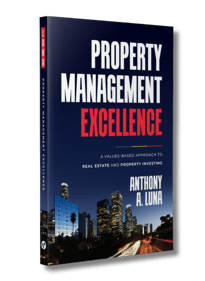
Property Management Excellence by Anthony A. Luna covers property management topics such as communication, ethics and the owner mindset. It is a separate operations resource; use the IRS and FTB references above for the exchange rules discussed in this guide.

About the Author: Anthony A. Luna
Published · Last Updated
Anthony A. Luna is the Owner and CEO of Coastline Equity and author of Property Management Excellence. A licensed California real estate broker, he leads commercial and multifamily management operations across Southern California.
Services & Regional Coverage
Let's elevate the property management industry together. Share this blog with fellow investors.




More about Coastline Equity
-
Property Management Services
 Explore Our Services
Our team will handle all your property needs, offering specialized services such as in-depth inspections, liability management, staff recruitment and training, and round-the-clock maintenance—expert support tailored to the unique requirements of your real estate assets.
-
About Us
 Our Company
Our dedicated team transforms property management challenges into opportunities. From tenant management to streamlined rent collection and proactive maintenance.
-
Property Management Excellence
 About Our CEO
Anthony A. Luna is CEO of Coastline Equity and author of Property Management Excellence. He writes about Southern California commercial and multifamily property management, owner decisions and the work required to follow repairs through completion.
-
Insights
 Explore Our Blog
Learn more about Coastline Equity's property management practices & processes and how we support our clients with education and a growth mindset. Coastline Equity Property Management is your partner as you continue to learn and grow.
News & Updates