Use a monthly maintenance review to check what is due, what remains unresolved, and which service records are missing. The calendar should reflect the rental property's actual equipment, manufacturer instructions, condition, and service recommendations.
For California rental owners, a generic monthly checklist is a starting point for organizing the work. Confirm the inspection requirements and access arrangements that apply to the property before setting the schedule.
Use the monthly review to reconcile the calendar
At the review, ask the manager to walk through four items:
- Work due. Identify the services or inspections scheduled for the coming period and the source of each due date.
- Open conditions. Review reported problems, current findings, and the next action assigned to each unresolved item.
- Completed work. Match the service record to the equipment or area listed in the calendar, and note any follow-up.
- Missing information. Assign someone to obtain an equipment manual, service history, inspection requirement, or current recommendation.
A monthly review of the calendar does not mean every system should be serviced monthly. Keep the review date and the equipment's service date in separate fields.
Give each task a source and a responsible person
For each calendar entry, record the property and equipment location, task, due date, responsible person or vendor, access needs, and the evidence expected after the work.
Identify where the interval came from: a manufacturer manual, service agreement, qualified inspection, or confirmed property-specific requirement. If that information is missing, record the gap and the next action to resolve it.
The EPA's home-maintenance resource offers examples for water-using fixtures and systems. Its water-heater guidance points readers to the equipment manual. Use the relevant equipment instructions and service advice when setting dates for your building.
Choose starting tasks for the systems in your building
Use these examples to check the equipment list and open requests. For each relevant item, obtain the task instructions and record its due date; this list does not set a service interval for every property.
- Smoke and carbon monoxide alarms. Record the installed models, locations and replacement dates. Use the U.S. Fire Administration's smoke-alarm guidance and CPSC's carbon-monoxide-alarm testing guidance, together with the product instructions and applicable property requirements, to assign testing and replacement tasks.
- Leaks and water damage. Include reported drips, damp areas and recurring plumbing problems. Identify the location and arrange assessment or repair; keep the completion record connected to the original report.
- Heating and cooling. Identify the filter type, last service and reported performance problems for each system. Review the ENERGY STAR maintenance checklist with the service provider and use the equipment instructions to confirm the work and timing.
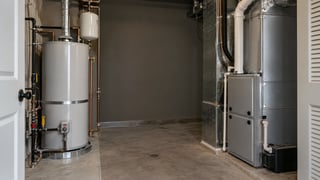
- Water heaters. Record the equipment model, service history and any reported leaks or corrosion. Have the service provider confirm maintenance instructions and the next due date; do not copy a flushing procedure across different systems.
- Roofs, gutters and drainage. Record roof concerns, blocked gutters, downspout problems and standing water. Arrange appropriate inspection and access, then put any recommended repair or clearing work on the calendar.
- Pest observations. Connect recurring activity, entry gaps or trash-area conditions to the pest professional's findings and related maintenance. The pest-prevention guide explains how to track the repair and reassessment together.
An illustrative entry could read: “Building A, courtyard drain: obtain an assessment of recurring standing water; manager to arrange the visit and access; retain the findings and proposed next action.” The assessment establishes the work still needed. Add the agreed due date without presenting an unresolved condition as completed maintenance.
Add seasonal work and changes in occupancy
Ask which tasks depend on local weather, landscaping, drainage, or periods of heavier equipment use. Put the preparation and review dates on the calendar while there is time to arrange access and service.
A vacancy or change in occupancy can also create a useful review point. Compare the current condition with earlier records, identify work already due, and record any new recommendation. Schedule access through the manager using the arrangements that apply to the property.
These are planning prompts. The equipment and observed condition should determine the work proposed for a roof, irrigation system, HVAC unit, or other building component.
Carry unfinished work into the next review
When a task is delayed, retain its original due date and record the reason, current condition, next action, and next update. Moving a date without an explanation makes overdue work harder to see.
After service, record what was done and any recommendation for further work. If the same condition returns, compare the new report with the prior service record and ask for the next assessment.
For equipment inventories, service scope, and proposed costs, use the separate property maintenance planning guide.
Start with the next month of work
Ask for the current equipment list, service agreements, open requests, and tasks due in the next month. Use those records to build the first review, then assign the missing information and decisions.
Contact Coastline Equity to discuss property management support and the maintenance records your property's calendar needs.
Whether you hold an apartment building or a retail, industrial, office, or medical office property in Riverside, Irvine, or Torrance, a static checklist only works when it is tied to your monthly operating review. Follow these four steps to turn a maintenance checklist into an accountable annual calendar:





 Explore Our Services
.webp?width=300&height=200&name=charles-forerunner-3fPXt37X6UQ-unsplash-1920w%20(1).webp) Our Company
Our Company About Our CEO
 Explore Our Blog