
Improve a commercial building by identifying the conditions that interrupt its use, keeping maintenance on schedule and choosing projects with a clear operating purpose. Start with the building’s records and the people who use it. A tenant’s access problem, recurring comfort complaint or planned buildout gives you a specific issue to evaluate.
The seven areas below connect everyday operations with longer-term property decisions. For each change, establish the problem, who can authorize the work and what will show whether it helped.
1. Establish the building’s current condition
Inventory major systems, service contracts, open work orders, deferred maintenance, inspection records, known leaks or moisture issues, access equipment, tenant requests and planned projects. Date the information and identify its source. A recent service report and an old estimate tell you different things about what needs attention now.
The California DRE property-management reference includes maintenance schedules, repairs, tenant relations, records and owner reports among a manager’s duties. Use your baseline to connect those responsibilities: which conditions need action, which require further investigation and which belong in the capital plan?
2. Make preventive maintenance and exceptions visible
Set the maintenance schedule from manufacturer instructions, service contracts, building history, applicable requirements and qualified guidance. Give each task a responsible person and a completion record, such as a service report, inspection result, photo or reading. An invoice establishes a charge; check the accompanying record to understand what was performed and found.
Keep missed visits, failed inspections, unavailable parts and temporary measures visible until someone confirms the next action. When a repair recurs, review the prior scope and findings before ordering the same work again. Connect the maintenance record to the estimate, approved spending authority and tenant communication.
3. Address indoor air quality through the actual building
The EPA indoor air quality factsheet, updated June 23, 2026, identifies moisture, building materials, occupant activities, outdoor air and maintenance of building systems among the factors affecting indoor air. Its three main practices are reducing pollutant sources, improving ventilation and using filtration or air cleaning.
Record the location, timing and observed conditions when a tenant reports an odor, moisture or comfort problem. Review relevant HVAC and plumbing history and obtain qualified evaluation for the condition. Construction and cleaning activities also deserve attention when planning work around occupied space. Select ventilation or filtration changes for the building’s systems and use; a product description cannot establish that a device resolves the reported problem.
4. Give tenants a dependable communication process
Provide a clear service-request route and emergency instructions. Acknowledge the request, record the affected location and explain access needs. For a planned interruption, identify the contact, expected work window and when the tenant will receive an update. If the cause or completion time is unknown, say what has been observed and what happens next.
Close the loop with the tenant after the work, while keeping any remaining issue in the property record. A vendor’s completed visit and a tenant’s continuing problem need to appear in the same review. That gives the manager a basis for follow-up and the owner an accurate account of what remains unresolved.
5. Evaluate access equipment beyond its purchase price
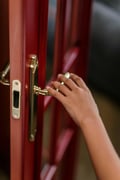
Review doors, gates, elevators, restrooms, common-area fixtures and delivery access according to how people use the property. Maintain the existing equipment and assess a proposed touchless or connected upgrade against a defined problem.
Examine power and network needs, accessibility, emergency operation, maintenance responsibility and replacement support. Connected devices also raise questions about who controls access, protects account credentials and restores service after an outage. Include recurring fees and service obligations in the proposal so the owner can compare the full operating burden.
6. Plan space changes around tenants and building constraints
A tenant buildout or common-area change can affect utilities, access, life-safety systems, acoustics, cleaning and neighboring occupants. Begin with the particular request and the lease. Identify the building rules, design review, permitting, insurance and qualified technical review that apply to the proposed scope.
Discuss work hours, access arrangements and interruption plans with the affected tenants. Preserve plans, approvals, warranties, closeout documents and updated asset records. These details help the next person understand what changed and how it should be maintained.
7. Connect capital spending to the problem it solves
For each candidate project, record the observed condition, operating consequence, proposed response, estimate, dependencies, timing, funding assumption and decision owner. Separate required corrective work from optional repositioning, and explain any uncertainty that could change the scope or cost.
A fictional access-equipment decision
Illustrative figures, not vendor pricing: Suppose an owner is comparing a $900 repair to an existing entry system with a connected replacement quoted at $4,500 for hardware, $1,200 for electrical work and a $600 annual service fee. The replacement’s first-year cost would be $6,300, before any other installation, network or support expense. The repair’s future service needs remain unknown.
Before choosing, establish why access is failing, whether either proposal addresses that condition and how each option handles accessibility and an outage. Document tenant access needs and who will administer credentials. A higher price needs a reason tied to the property; those figures alone do not establish which option is appropriate or predict savings.
Review the capital plan alongside leasing and financial information. For a completed project, compare the result with the problem you intended to address, such as repeat service calls or access interruptions. Update the maintenance instructions and remaining project list. Occupancy, rent growth and value changes require their own evidence.
Discuss your commercial building’s priorities
Coastline’s commercial and multifamily management services describe maintenance coordination, expense oversight and owner reporting. If you want to discuss a commercial property in Southern California, request a property management review. The first conversation covers what needs attention and whether Coastline is a fit. Share the property type, city, main issue and timing; no lease or financial files are needed through the form.
Sources and article history
- EPA: Factsheet, What Is Indoor Air Quality? Updated June 23, 2026.
- California DRE: Reference Book, Chapter 22, Property Management. General responsibilities reference; project requirements depend on the actual property and work.
The Forbes Councils profile lists Anthony A. Luna’s “Seven Post-Pandemic Changes To Improve Your Commercial Building,” dated March 10, 2021. This Coastline guide was updated October 4, 2026 with current EPA and DRE references.
.webp?width=300&height=200&name=charles-forerunner-3fPXt37X6UQ-unsplash-1920w%20(1).webp)