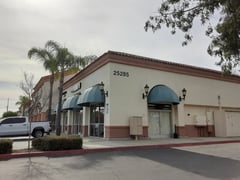
A property manager can help an owner prepare for flooding by identifying exposure, coordinating qualified assessments and approved work, reviewing insurance questions with the owner's provider, and maintaining a usable emergency plan. Those actions can reduce particular risks. They do not make a building flood-proof.
The owner needs to understand where water could enter, what work is proposed and what remains unresolved. A cleared drain, an insurance policy and a structural improvement each address different parts of the problem. The property's history should guide the conversation.
Start with the current map and the building's history
Use the address to find the official flood hazard information at the FEMA Flood Map Service Center. Record the map information and the date of the review. FEMA notes that maps are updated and that previously downloaded information can be superseded.
Then compare that information with the property record. Look for previous water entry, damage reports and repairs whose performance has not been checked. Ask where water was observed and what caused it, where the cause is known. A map does not explain whether a particular garage drain is obstructed or a pump is operating.
For example, consider a hypothetical below-grade garage with a history of water collecting near its entrance. The useful next question is whether the drain, pump or discharge route was assessed and what the findings showed. Treating the garage's location alone as a complete assessment leaves those operating conditions unanswered.
Inspect drainage and the equipment it depends on
The California Department of Water Resources' flood preparedness guidance recommends keeping storm drains clear and staying aware of forecasts and local instructions. At a rental property, management should coordinate work within its authorized scope and document restrictions that need a specialist.
Ask the provider to identify the drain being serviced and what was found. Where a property depends on a pump, request a qualified check of the equipment, its discharge route and any actual backup provision. A photograph of a clean grate does not establish that the system behind it can handle the condition being evaluated.
Separate routine cleaning from a proposed drainage change. Recurring ponding may call for a qualified assessment of water movement through the site. Do not assume that sending water away from one entrance resolves its effect elsewhere.
Evaluate structural and equipment changes before approving them
Elevating a structure, adding a flood barrier and moving utilities are possible subjects for a mitigation review. They need a qualified evaluation of the building and the particular hazard. A manager can coordinate that review and present the recommendation; the owner still needs a usable scope, cost and approval request.
For elevation work, ask what the proposal changes and what assumptions support it. For a floodwall or other barrier, ask who evaluated its placement, limitations and effect on access and drainage. Confirm applicable permit and local floodplain requirements with the responsible authority before treating a construction idea as ready to install.
Temporary materials also need an operating plan. DWR identifies sandbags and other flood-fighting materials as preparedness options for properties prone to flooding. Confirm where supplies belong, who can deploy them and when the conditions require people to leave. Their availability does not establish that a building is protected.
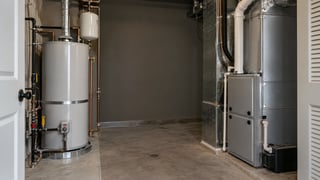
Electrical panels, outlets and other equipment require the appropriate qualified provider. Ask what equipment is exposed, what relocation or protection is proposed and how it affects the building's operation. Management should coordinate with utility providers on shutdown planning. An occupant should not be directed to enter floodwater to reach equipment.
Distinguish the owner's coverage from occupants' belongings
The National Flood Insurance Program's policy guide explains that most homeowners, renters and business insurance does not cover flood damage. NFIP building and contents coverage are typically purchased separately, with separate deductibles. An owner's building policy does not automatically cover residents' personal belongings or a commercial tenant's inventory.
Ask the insurance provider to review the actual insured building, selected coverage, limits, deductibles and exclusions. NFIP coverage does not include financial losses from business interruption or temporary housing and additional living expenses. Private policy terms require their own review. Confirm the coverage effective date; NFIP generally has a 30-day waiting period, with specified exceptions.
Management can assemble the building information and coordinate the owner's questions. Purchasing coverage requires the applicable authority. Residents and commercial tenants should discuss their own property and coverage needs with their providers. Avoid promising that a policy will pay for a loss before the actual terms and circumstances are reviewed.
Make the emergency plan usable for the people at the property
DWR advises households to maintain an emergency communication plan, prepare for evacuation and follow local authorities. For a managed property, confirm how residents or tenants will receive current instructions and whom they can contact. Consider occupied hours, after-hours access and people who may need assistance when developing the plan.
Identify a primary contact and a backup. Confirm where emergency instructions and vendor contacts can be accessed if the ordinary office is unavailable. Commercial occupants may have business equipment or operations requiring their own planning; multifamily residents need household arrangements, including where they will go if advised to evacuate.
Follow evacuation instructions from the responsible authorities. DWR warns against driving through floodwater. A property response should prioritize people over an attempt to finish a repair or deploy materials in unsafe conditions.
Turn the findings into an owner decision
Ask what still needs a decision before the next storm. A useful answer identifies the condition, recommended work, responsible provider and expected cost. It also explains what can be completed in the available time and what will remain open.
Keep the inspection, owner response and subsequent work together. After the work or an event, compare the current condition with the earlier record and assign any further evaluation. Our commercial and multifamily property readiness guide connects that work with seasonal inspections and event preparation.
Flood-zone planning is a continuing property responsibility. A manager's value is in bringing the owner clear findings, coordinating authorized action and keeping unresolved exposure visible as conditions change.




 Explore Our Services
.webp?width=300&height=200&name=charles-forerunner-3fPXt37X6UQ-unsplash-1920w%20(1).webp) Our Company
Our Company About Our CEO
 Explore Our Blog