Residents experience property management through the condition of their home and the way their concerns are handled. A repair update, a clear answer about a charge or notice of work in a common area can make daily life easier. Those are service decisions an owner and manager can influence.
Good service gives residents a reason to consider staying. Renewal also depends on rent, household needs, work and other circumstances. Treat satisfaction as something to understand and improve, then review actual renewal and move-out information before drawing conclusions about turnover.
Make communication useful to the resident
Give residents a clear way to ask a question or report a problem. Explain which channel handles routine requests and how to reach the appropriate contact for an urgent concern. When a request arrives, acknowledge it and tell the resident what happens next. If the answer takes time, explain what is being checked and when another update is expected.
Consider a hypothetical common-area painting project. Residents need to know which area will be affected, how access will work and whom to contact with a concern. If the schedule changes, update them. The work may be planned carefully, but the resident still has to arrange their day around it.
At Coastline Equity, we use property management software to record resident communications. Relevant notes help the next team member understand the question and the response already given. A portal can make information easier to find, while a person remains available to explain something the resident cannot resolve through the software.
Follow repairs through to a usable result
A resident who reports a problem needs to understand the response. Assess the reported condition, arrange the appropriate work and explain access requirements. Confirm the visit when it is arranged, and communicate a delay or change rather than leaving the resident to discover it.
After the visit, check what was completed and whether further work remains. Tell the resident how to report a recurring problem. Our repair vendor handoff guide describes the visit information that helps a manager connect the report to work at the property.
Our in-house maintenance team helps handle property maintenance. Coastline’s current services page also describes property inspections, vendor supervision and maintenance tracking. The work assigned at a property depends on the management scope and the work required.
Keep shared spaces and equipment in working order
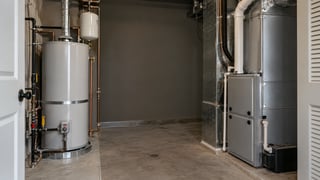
Preventive upkeep affects the parts of a property residents use every day. Review common-area lighting, landscaping, access equipment and shared amenities as part of the property’s maintenance plan. Use the equipment’s service requirements and actual condition to decide what needs attention.
When an inspection finds a problem, assign the follow-up and check the result. If an amenity will be unavailable during the work, explain the interruption and any available alternative. A clean common area or working gate is part of the living experience. The owner needs to understand the work and cost that support it.
Choose services around expressed needs
Ask residents what would make the property easier to use. Package handling, a shared amenity or a local-business discount may be useful options, where feasible. Check the actual demand, cost, staffing and access arrangements before introducing a service. Describe only what the property can provide.
Use expressed needs rather than assumptions about a resident’s background. Explain amenity access consistently, and have a process for accommodation requests. The California Civil Rights Department’s housing guidance explains that fair housing protections apply to housing-related services and include reasonable accommodations for disabilities. Consistent service needs to account for those obligations.
Explain the lease and the charges clearly
Residents should be able to find their lease, understand the charges being applied and ask about a discrepancy. Explain payment instructions, included services, maintenance responsibilities and the process for reporting a concern. A plain-language explanation should match the actual agreement.
If a charge is questioned, review the record and give an answer that explains its basis or the correction needed. Discuss available renewal options within the property’s authority and applicable requirements. Clarity helps the resident make a decision without promising a particular rent, fee waiver or lease change.
Use feedback to change something specific
A short survey or conversation can reveal a recurring service problem. Ask about a recent interaction or a part of the property the resident uses. For example, ask whether the repair update explained the next step, or which shared area needs attention. Leave room for the person’s own explanation.
Review the responses for a specific change the team can make. Assign that change, then report back when it is complete. If it cannot be made, explain the reason. Feedback needs a response the resident can understand. Requesting another survey before addressing the same concern can leave the underlying problem open.
Keep satisfaction responses separate from renewal results. Record how many residents were invited to respond and how many did, so the owner understands whose experience is represented. Review renewals against the group eligible to renew, and retain stated move-out reasons when available. A higher satisfaction score or renewal rate can be useful information, but either one alone is insufficient evidence that a service change caused the result.
Review the service behind the retention goal
For an owner, the useful conversation begins with the actual resident experience. Where are requests waiting? Which problems recur? What do residents say they need, and what has changed in response? Read that information alongside renewal decisions, vacancy time and the cost of turning apartments.
If you own or represent a Southern California multifamily property, contact Coastline Equity with the property’s location and the service concern you want to address. We can discuss the management scope suited to the property. Residents seeking help with an active request should use their property’s established management contact.