Reduce the risk of damage at a rental home by maintaining its building systems, investigating leaks promptly and giving residents a clear way to report problems. Match the work to the property’s condition and equipment. Inspections and preventive care can help identify issues, but they cannot guarantee that damage will never occur.
Look for the cause before choosing the repair
Aging materials, weather, equipment failures and accidents can all affect a rental home. A stain, crack or damaged surface is a reason to investigate; it does not establish who caused the problem or which repair is needed. Keep normal wear, a suspected defect and an unconfirmed cause distinct.
Consider a hypothetical resident who reports moisture beneath a kitchen sink. Replacing the wet cabinet finish alone would leave the source unanswered. Arrange an assessment of the leak, determine the needed work and drying, and check the cabinet area afterward. If moisture returns, bring the recurring symptom back to the person assessing the repair. This example is a maintenance question, not a diagnosis of a particular property.
Build preventive care around the property
Inspect for physical changes
Plan visits around the building’s condition, known issues and maintenance needs. Coordinate each visit using the permitted purpose, notice and access requirements that apply. Look for visible changes such as:
- Moisture under sinks or around plumbing fixtures.
- New stains, peeling finishes or other signs of water intrusion.
- Changes in cracks, doors or surfaces that need qualified assessment.
- Pest activity or moisture concerns requiring further investigation.
Record the location and reported symptoms so the right person can assess them. An inspection should lead to action on the finding. Avoid disturbing a suspected hidden mold area as part of an ordinary walkthrough; EPA recommends experienced professional help for that investigation.
Maintain trees, gutters and drainage
Have appropriate professionals assess branches near the building and carry out needed tree work. Keep roof gutters and drainage paths under review, including after weather exposes a recurring problem. Ask the contractor what the work will address and whether another condition needs attention. Tree care and gutter cleaning reduce particular risks; they do not make a property storm-proof.
Service HVAC, plumbing, water heaters and roofing
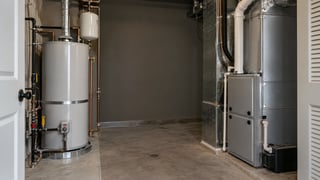
Use the installed equipment’s instructions and a qualified technician’s assessment to set maintenance tasks and intervals. Check HVAC filters, condensate drainage, plumbing connections and roof condition as appropriate to the system. A roof inspection may identify damaged materials or flashing; the findings should determine the work.
Water-heater care depends on the unit and its instructions. Do not turn “drain it annually” into a universal direction for every appliance or a do-it-yourself task for residents. Have the appropriate technician identify the unit, review its maintenance requirements and perform the needed service safely.
For moisture concerns, the EPA’s mold and moisture guide recommends fixing water problems promptly and drying wet materials within 24 to 48 hours to help prevent mold growth. That is prevention guidance, not a promise that an area is safe to occupy or that mold is absent. The source also calls for experienced professional help when sewage or other contaminated water is involved.
Give residents usable reporting instructions
At move-in and when procedures change, explain how residents report a leak, appliance problem or other concern. Identify the property’s urgent reporting route and the details that help the team locate the problem. Residents can describe what they see without having to determine the cause.
Explain ordinary use of ventilation and the importance of keeping vents unobstructed. If a resident is to use a water shutoff during a leak, show the specific accessible control and its operation in advance. They should use it only when they know how and can reach it safely. Give a reporting alternative when they cannot; do not ask them to enter an unsafe area or work on gas or electrical equipment.
Keep lease responsibilities and reporting instructions clear. Resident reporting supports maintenance coordination; qualified assessment and repairs still need an assigned response. Follow up with the resident when work changes their access or use of the home.
Choose materials for their actual use
During a turn or planned upgrade, compare flooring, paint and countertops for expected use, cleaning requirements, repair options and installed cost. Check product specifications and installation requirements. Water-resistant flooring may be a useful option in the right setting, but it will not solve an active plumbing leak or protect every part of the floor assembly.
Consider how a damaged area could be repaired later and whether matching materials will be available. Keep the maintenance plan for the finish with the property information so cleaning or replacement does not undo the intended benefit.
Review the actual insurance policy
Insurance coverage depends on the policy, covered cause of loss, exclusions and conditions. Ask your broker or insurer to explain how the rental use is insured, which water or storm scenarios are covered, applicable deductibles and any lost-rent coverage and limits. Ask for the explanation in writing rather than assuming that a landlord policy pays for every damaged building or interrupted rental.
The California Department of Insurance’s residential insurance guide explains that rebuilding cost can differ from purchase price or market value. It also describes common exclusions and the importance of reading the policy. The guide concerns homeowners and renters coverage; it does not establish coverage under your rental property’s policy. Review the relevant policy form, endorsements and replacement-cost estimate with the insurer or broker.
Connect maintenance findings to completed work
For the sink example, the useful result is a repaired source, appropriate treatment of affected materials and follow-up on continuing moisture. A booked visit or new cabinet surface alone does not establish that the problem is resolved. Use our repair-vendor handoff guide to prepare the reported symptoms, visit purpose, access arrangements and findings needed from the vendor.
Coastline’s published management services include inspections, vendor supervision, maintenance tracking and communication with residents and commercial tenants. The agreed scope, response arrangements and owner approval requirements govern work at an individual property. Those services support preventive care and follow-through without a guarantee that damage cannot happen.
If you own a multifamily or commercial property and are evaluating management support, contact Coastline Equity with the property type, city and maintenance concern. Start with a summary of the issue and the support you need. The next conversation can establish service fit and scope; keep leases and financial statements out of the initial form.



.webp?width=300&height=200&name=charles-forerunner-3fPXt37X6UQ-unsplash-1920w%20(1).webp)