How California property management fees and agreements compare
California multifamily management fee structures and vendor markup evaluation across Inland Empire portfolios.
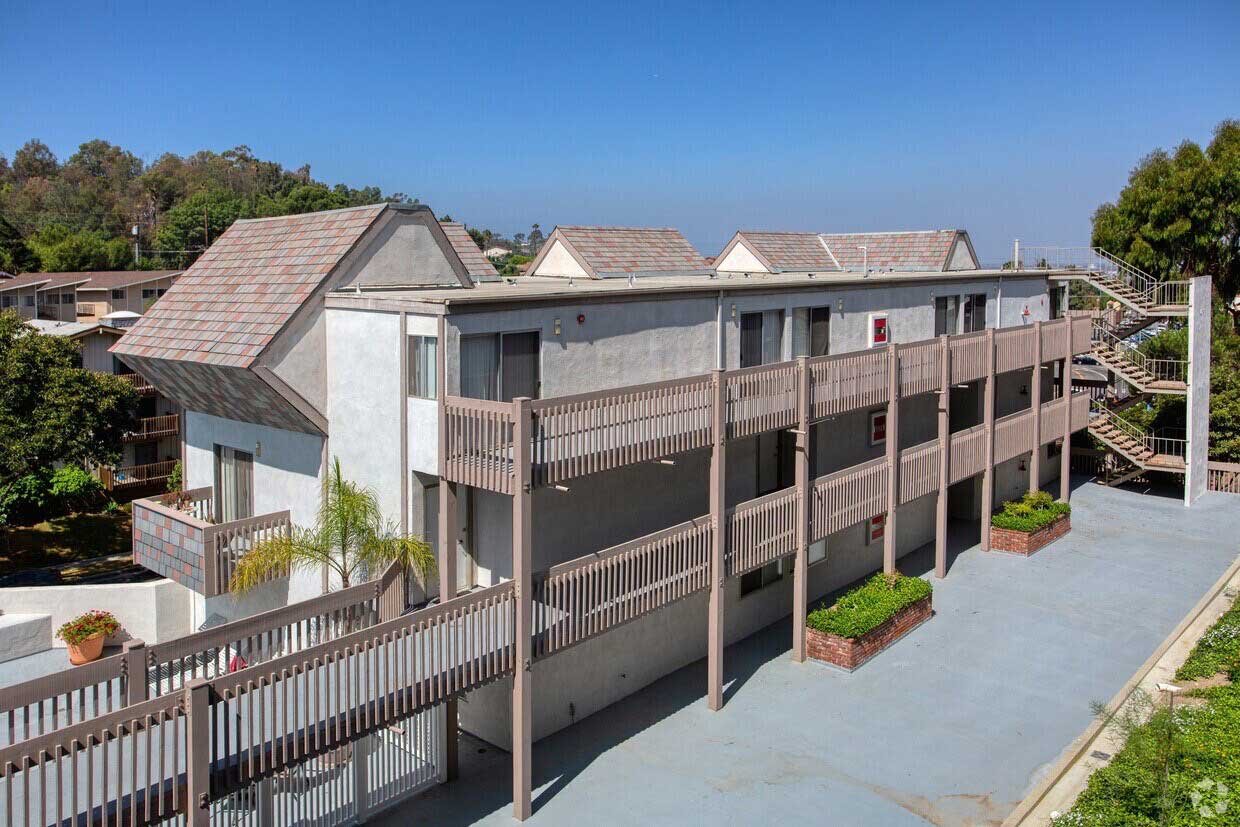
For multifamily owners in Inland Empire
Coastline Equity provides Inland Empire multifamily property management for 20 to 150+ unit apartment communities spanning Ontario, Fontana, Rancho Cucamonga, Riverside, Corona, Moreno Valley, Menifee, Murrieta, and Temecula. Supported by our Temecula regional office, we pair preventative summer HVAC and irrigation oversight with unified AppFolio financial reporting across Riverside and San Bernardino counties.
The right property manager should help you see what is happening, what needs attention, and what decisions will protect the property's long-term value.
Best fit: Multifamily owners, family offices, and regional syndicators holding 20 to 150+ unit apartment communities across riverside and san bernardino counties.
Request a Inland Empire Multifamily ConsultationLocal market
Managing Inland Empire apartment assets across two counties requires consistent AB 1482 compliance workflows, pre-summer HVAC servicing to prevent triple-digit heat breakdowns, smart water-conservation monitoring, and local vendor benches from Ontario down to Temecula.
Management scope
Multi-city AppFolio lease-to-ledger and RUBS billing controls | Pre-summer preventative HVAC and irrigation site scheduling | Standardized 10-to-14-day unit turns across inland corridors | SB 721 exterior inspection tracking and competitive three-bid capital execution
How we work
Plan: Review signed leases, active resident ledgers, unit-turn logs, and open maintenance priorities. Execute: Track pre-move-out turn scopes, enforce owner-approved vendor bid thresholds, and verify AppFolio billing codes monthly. Outcome: Fewer billing leaks, documented regulatory records, and clear owner statements.
Monthly Reporting
Monthly accrual or cash owner financial package with budget variance commentary, reconciled rent roll, aged receivables, general ledger detail, and paid vendor invoice backup.
Performance visibility
Unit-turn cycle days against approved scope | Economic vs. physical occupancy spread | Make-ready cost variance | Collection rate by reporting cut-off | Open work-order aging, photo proof, and lease renewal retention.
Multifamily properties across the Inland Empire span 20 to 150+ unit garden-style apartment communities, workforce housing corridors, and suburban townhome-style rentals from Ontario, Rancho Cucamonga, and Fontana through Riverside, Corona, Moreno Valley, Menifee, Murrieta, and Temecula. Supported by Coastline Equity's Temecula regional office alongside AppFolio financial infrastructure, inland owners gain responsive on-the-ground physical inspections, disciplined turn-cost tracking, and uniform monthly accounting across Riverside and San Bernardino counties.
At Coastline Equity, working from our Gardena South Bay office minutes from Los Angeles and Orange County corridors, the operating standard starts with legible records in AppFolio. Every signed lease, billing rule, work order, bid sheet, and monthly financial report connects back to source documentation that an owner can inspect cleanly.
Unlike coastal rent-control municipalities, incorporated cities across most of Riverside and San Bernardino counties rely primarily on statewide California AB 1482 rent caps and just-cause protections rather than city-level rent boards. However, regional compliance still varies carefully between unincorporated county code enforcement, city crime-free or business-license inspection programs, AB 12 deposit cap rules, and SB 721 / AB 2579 exterior elevated element reporting across two-story and three-story stair and landing structures.
For owners holding multiple Inland Empire parcels spanning both San Bernardino and Riverside counties, Coastline keeps every asset on standardized AppFolio lease templates, counsel-reviewed state notices, SB 607 contractor verification logs, and 16+ unit onsite manager timekeeping and lodging-credit files so portfolio compliance stays organized from Ontario to Temecula.
Inland Empire summer temperatures routinely exceed 100 degrees across Ontario, Corona, Riverside, and Southwest Riverside valleys, turning roof-mounted or ground-pad condenser maintenance, attic insulation integrity, expansion-valve service, and high-efficiency irrigation auditing into core NOI drivers. Pre-summer coil cleanings, condensate line flushes, and filter replacement logs prevent cascading emergency HVAC replacements during July and August peak waves.
Sprawling inland apartment sites also face high wear across asphalt drive aisles, perimeter block walls, swimming pool chemistry/VGB compliance, laundry room plumbing traps, and second-floor wood balconies or external steel staircases. Scheduled seasonal physical walks backed by three-bid capital comparisons extend useful system life without reactive emergency pricing.
Inland Empire leasing cycles benefit from fast, consistent make-ready standards: clear pre-move-out walkthroughs, standardized neutral paint and durable LVP plank specifications across units, immediate kitchen/bath fixture swaps when parts age out, and crisp listing photography posted promptly while turns complete.
AppFolio financial controls reconcile base rent, RUBS water/trash billing ratios, pet fees, garage/carport stalls, and concession expiration dates monthly alongside accrual or cash P&L reporting, general ledger backup, and paid vendor invoice attachments.
Changing property managers on an occupied Inland Empire apartment building fails most often when records transfer informally. During an onboarding handoff, every active tenant folder should be reconciled line by line against live AppFolio ledgers before automated notices, late-fee runs, or bank sweeps begin. That means matching executed original leases, renewal addenda, pet agreements, garage or carport contracts, security deposit ledgers, and utility reimbursement riders directly against what residents are actually billed each month.
Common gaps discovered during Southern California takeovers include expired move-in concessions that kept discounting rent indefinitely, unbilled storage or second-vehicle spaces, water/trash RUBS charges that stopped updating when master utility bills climbed, and missing statutory notices inside physical files that were never digitized. Separating clean administrative facts from legal interpretations gives ownership an immediate punch list of what can be corrected administratively and which items should go straight to qualified California counsel.
Strong apartment retention in Inland Empire starts at application intake rather than at delinquency escalation. Written objective screening criteria covering verified income, credit standing, rental payment history, and lawful identity verification keep leasing fair, consistent, and compliant with California civil codes and fair-housing standards. At move-out, itemized security deposit dispositions backed by dated move-in vs. move-out inspection photos and paid vendor invoices protect ownership against preventable small-claims disputes.
Once an apartment community reaches 16 or more residential units in California, state onsite resident manager requirements come into play. Owners should have qualified California employment counsel confirm written employment agreements, daily timekeeping workflows, Wage Order 5 lodging-credit caps, and payroll tax treatment before hiring or retaining live-in staff. Day-to-day property management then enforces clear timecard submission cutoffs, written maintenance boundaries, and work-order completion documentation matching counsel's written policies.
Capital spending discipline matters equally across Inland Empire courtyard and mid-rise communities. Routine repairs stay bounded under clear written owner authorization limits requiring technician arrival notes and before-and-after photo evidence in AppFolio prior to invoice approval. Major roofing, asphalt paving, exterior stucco painting, main-line plumbing repipes, and SB 721 waterproofing projects require written specifications, verified vendor certificates of insurance, competitive three-bid comparisons, and explicit owner sign-off prior to dispatch.
Monthly owner packets then pull every operational thread into one clear closeout package: accrual or cash income statements with written budget-to-actual variance notes, general ledger detail, bank reconciliations, reconciled rent rolls, aged accounts receivable escalation logs, open work-order aging, and copies of paid vendor invoices. Nothing stays buried inside vague miscellaneous repair totals or summary PDF sheets.
Multifamily buildings with three or more units and wood-supported elevated decks, stairs, balconies, or walkways in Inland Empire require systematic Health and Safety Code section 17973 inspection tracking. Coastline keeps the independent licensed architect or structural engineer writing the inspection report strictly separate from the licensed contractors bidding the remediation scope. When waterproofing repairs, flashing replacements, or structural sistering work are required, ownership reviews three written competitive bids, clear hazardous-condition timelines, and before-and-after repair documentation linked inside AppFolio so lender and insurance underwriting files stay complete.
Rising Southern California municipal water, sewer, and commercial trash hauling bills quickly compress property net operating income when resident billing formulas go unreviewed. We verify master-metered vs. sub-metered charges, audit ratio utility billing (RUBS) configurations against lease disclosures, and flag unexpected consumption spikes caused by running toilets or irrigation leaks within the monthly close cycle. Alongside utility recovery, maintaining documented water-heater bracing, roof drainage cleanouts, and electrical panel clearance logs prepares ownership for annual property insurance renewals and lender physical inspections with organized three-to-five-year capital reserve schedules.
Consistent collection discipline across a 20 to 150+ unit Inland Empire community depends on fair, repeatable administration rather than ad-hoc reminders. Resident ledgers are reconciled at rent due dates, late payment reminders and ledger statements follow uniform written workflows, and any statutory pay-or-quit or covenant notice preparation is checked against local municipal ordinances and routed through qualified California landlord-tenant counsel whenever legal interpretation is required. Every resident interaction, maintenance access notice, and signed addendum stays archived by unit inside AppFolio for immediate owner or legal-counsel reference.
Routine repairs on 20 to 150+ unit Inland Empire buildings frequently generate hidden invoice creep when maintenance technicians dispatch without defined authorization ceilings. Coastline pairs clear not-to-exceed spending limits with mandatory arrival notes, parts invoices, and clear before-and-after photography on completed AppFolio work orders. Master key inventory controls, vendor certificate-of-insurance expirations, warranty start dates on replacement appliances, and completed smoke or carbon-monoxide detector compliance logs during every apartment turnover give ownership clean, defensible records for insurance carriers, lenders, and municipal code inspectors, eliminating rushed end-of-year document chases when refinancing or portfolio audits begin.
Headline management fee percentages rarely tell the full story on mid-size and larger Southern California apartment buildings. Compare how proposals treat base rent collection vs. gross scheduled rent, vendor invoice markups, routine renewal charges, and monthly reporting backup alongside our California property management fee breakdown before committing to an agreement.
| Operating Area | Risk in Summary Contracts | Standard to Confirm in Writing |
|---|---|---|
| Pre-Summer HVAC Care | Mid-summer compressor burnouts triggering emergency hotel stays and overtime rates | Spring preventive condenser coil, capacitor, and drain-line servicing logged by unit |
| Water & Landscape Audit | High municipal tier-water bills from broken rotors or uncalibrated controllers | Smart weather-based irrigation scheduling, low-flow aerators, and monthly RUBS tie-outs |
| Regional Vendor Bench | Single-city contractors charging long trip fees across IE corridors | Pre-vetted local Riverside and San Bernardino trades covered by verified COIs and three-bid caps |
| SB 721 Balcony & Stair | Deferred exterior wood staircase or walkway waterproofing across garden walk-ups | Separated engineering inspection scopes and competitive multi-bid repair execution |
| Multi-City Ledger Parity | Inconsistent charts of accounts across San Bernardino and Riverside parcels | Uniform AppFolio chart of accounts, portfolio roll-ups, and invoice-level drilldowns |
Logistics Employment Growth and Workforce Housing Stability: Along the I-10, I-15, SR-60, SR-91, and I-215 corridors, Inland Empire apartment communities house essential healthcare teams, fulfillment and logistics supervisors, aerospace technicians, university staff, and regional commuters balancing housing affordability across Southern California. Maintaining responsive work-order communication through bilingual portal workflows and scheduled preventative upkeep directly reduces preventable turnover among reliable multi-year residents while safeguarding curb appeal for new applicants.
Unified Portfolio Oversight Across Two Counties From Our Temecula Office: Managing 30 units in Riverside alongside 50 units in Ontario or Fontana historically forced owners to juggle disconnected local managers with different reporting calendars and accounting formats. From our Temecula Inland Empire office and Gardena headquarters, Coastline delivers single-platform AppFolio portfolio visibility: consolidated owner cash-flow summaries plus property-by-property general ledger detail, standardized vendor insurance compliance checks, documented three-bid capital comparisons, and consistent delinquency follow-through.
Capital Reserve Execution and Insurance Documentation Readiness: Re-roofing, slurry sealing, pool resurfacing, and boiler replacements in large garden-style apartment complexes demand disciplined phasing so distributions stay steady and property insurers have zero underwriting excuses at renewal. Every capital project includes written scope specs, SB 607 contractor verification, city permit closeouts where required, released mechanic's lien waivers, and before-and-after photo packages stored permanently by property for lender and insurance broker reviews.
Western vs. Eastern Inland Empire Operating Nuances From Ontario to Corona and Riverside: Apartment portfolios across the western Inland Empire, including Ontario, Upland, Rancho Cucamonga, Chino, and Fontana, share heavy commuter patterns linked to logistics hubs and Ontario International Airport, whereas Riverside, Corona, Moreno Valley, Perris, Menifee, Murrieta, and Temecula balance healthcare, military-adjacent, and regional retail employment bases. Coastline tailors advertising syndication, weekday tour coordination, and turn specifications to each local submarket rather than applying a rigid coastal template that misprices materials or slows leasing absorption.
Landscape Water Conservation, Pool Governance, and Exterior Paint Life Cycles: Municipal tier water pricing and intense solar UV exposure across Riverside and San Bernardino counties quickly inflate utility expenses and fade wood fascia or stucco coatings on sprawling garden-style communities. Implementing weather-based smart irrigation timers, drought-tolerant turf replacements where appropriate, weekly certified pool chemistry documentation, and scheduled exterior stucco elastomerics keeps operating expense ratios competitive while protecting roof and decking surfaces against dry-rot and cracking.
Audit-Ready Fee Structure Alignment and Clear Owner Decision Control: Inland Empire owners consolidating scattered three-to-five building portfolios under one management agreement frequently discover hidden renewal markups, repair override percentages, or unapproved work orders on prior statements. Coastline establishes transparent written approval ceilings from day one, obtains competitive three-bid comparisons on major repairs, backs every general-ledger charge with attached vendor invoices inside AppFolio, and coordinates legal notices directly with qualified California counsel before execution.
Consistent Vacancy Marketing, Bilingual Resident Portals, and Renewal Retention Modeling: Keeping Inland Empire apartment occupancy steady across seasonal winter slowdowns depends on fast turnaround photography, syndication accuracy, structured prospect follow-up logs, and proactive sixty-day lease renewal outreach. By resolving recurring plumbing or electrical maintenance items before renewal windows open and offering clear online AppFolio payment and maintenance requests, ownership reduces costly vacancy make-ready cycles while maintaining steady collections across both Riverside and San Bernardino counties.
Bring your current rent roll, management agreement, and open maintenance log to a consultation with our team. Request a Inland Empire multifamily consultation to compare scope, fee alignment, and reporting priorities cleanly.
Owner resources
California multifamily management fee structures and vendor markup evaluation across Inland Empire portfolios.
Owner questions
We manage 20 to 150+ unit garden-style and workforce apartment properties across Ontario, Fontana, Rancho Cucamonga, Riverside, Corona, Moreno Valley, Menifee, Murrieta, and Temecula.
We schedule pre-summer coil cleaning, refrigerant checks, and condensate drain servicing ahead of peak triple-digit heat waves to avoid emergency compressor burnouts.
Yes. From our Temecula regional office and centralized AppFolio platform, we enforce uniform charts of accounts, local vendor benches, and consistent compliance logs across both counties.
Most incorporated Inland Empire cities rely on California AB 1482 statewide rules rather than local rent stabilization boards, though owners must confirm parcel-level exemptions and notices with counsel.
Coastline Equity provides dedicated property management across Inland Empire and Southern California.
Nearby markets
Start here
Bring your Inland Empire rent roll and operating statements to a consultation to review HVAC preventative care, turn workflows, and portfolio accounting.
Discuss Your Inland Empire Portfolio