An owner reviewing apartment grounds maintenance should be able to compare the scheduled scope with the work documented at the property. The record should identify the areas covered, the service date, the condition observed, and any exception that requires a return visit or separate decision.
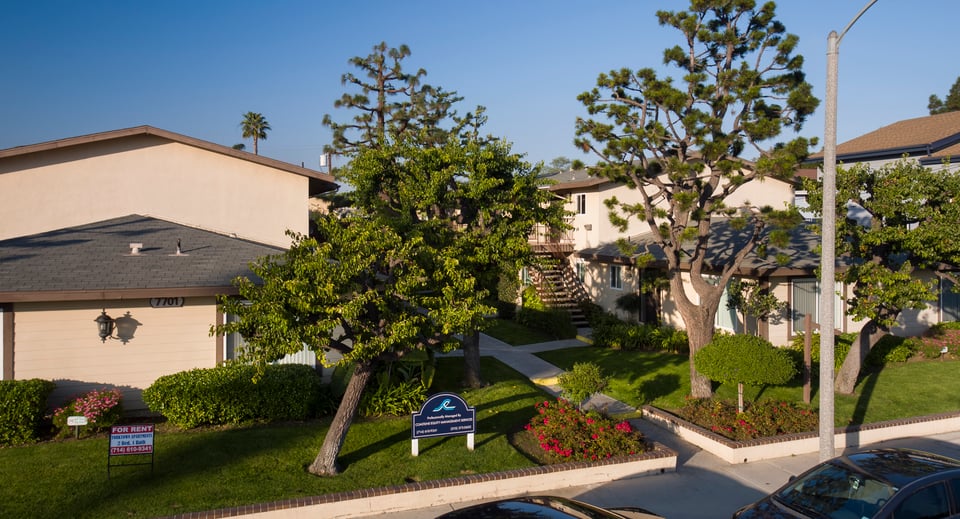
Grounds work can include lawns, planting areas, trees, paths, entrances, and other locations named in the agreement. Keep the article's review tied to the actual scope. A vendor note should not imply that every part of a property was serviced when the route or agreement covers only selected areas.
Put the scope on a property map
List the buildings, entrances, paths, planting zones, and other areas included in the grounds service. Note the expected frequency and the work assigned to each visit. A map or area list helps an owner compare two service entries without relying on a broad phrase such as “landscaping completed.”
Record the planned date and actual visit date. If weather, access, staffing, or another condition changed the route, keep the exception in the record and give it a next action. The owner should be able to tell whether the service was completed, partial, rescheduled, or awaiting review.
Describe the condition and the work
Use the visit record to separate what the vendor observed from what the vendor did. A note about a damaged plant, blocked path, bare area, or overgrown section should state its location. The work entry should say what was completed and what was left open. Add a photo when it clarifies the exception, with the date and area identified.
Keep extra work separate from routine grounds service. A replacement, removal, pruning project, or repair may need a proposal and approval under the property's process. Coastline's Essential Property Management Tips describes maintenance oversight as a traceable process with scope, authority, status, and completion evidence. Apply that same record standard to grounds work.
Review exceptions by area
After a defined period, compare missed or partial visits, repeat exceptions, open proposals, and areas that repeatedly require extra work. The pattern can help the owner ask whether the scope, frequency, property condition, access plan, or follow-up needs review. It does not prove why a pattern exists without the supporting records.
Turn the exception into an owner question
A grounds report becomes more useful when each exception leads to a specific question. Was the planned area accessible? Was the work rescheduled? Does the written scope describe the condition? Is a proposal needed for extra work? Keep the question beside the source entry and state who will answer it.
Review repeated exceptions by location and service type. A single missed area may need a return visit. Several entries in the same area may justify a scope or access review. Make that distinction from the dated records, then preserve the next action so the issue can be checked at the following owner review.
Keep the report specific enough to act on: area, planned service, observed condition, completed work, exception, responsible role, and next check date. That sequence gives the owner a usable record without pretending that a landscape note explains every cause or future cost.
The Coastline owner scorecard gives related guidance on defined work, accountability, and closeout. Carry the material exception into the owner report with the current status and next decision.
If grounds records do not show what was scheduled, what was completed, or which areas need attention, Request a Property Management Performance Review.
Sources
Coastline Equity, Essential Property Management Tips; Coastline Equity, Commercial Property Management: A Practical Owner Scorecard.




 Explore Our Services
 Our Company
 About Our CEO
 Explore Our Blog