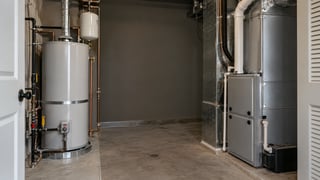
A commercial space turnover handoff should leave the owner with a clear record of the condition, responsibility, work, cost, and next leasing step. The goal is not a generic inspection checklist. It is a controlled transfer from the outgoing tenant or project team to the next decision.
Build the handoff before the space is empty. That gives the owner time to confirm the lease, document the condition, price the work, coordinate vendors, and decide whether the space is ready, needs repairs, or needs a larger improvement plan.
Start with the lease and scope
Review the executed lease, amendments, surrender terms, restoration obligations, access rights, improvement provisions, and responsibility for fixtures or damage. Note the source document for each conclusion. A turnover record can identify a question. It should not replace the lease or legal advice about what a party owes.
Coastline’s commercial management guide links lease responsibilities, access, maintenance, improvements, vendor scope, approval authority, and completion evidence. Use those connections to build the handoff instead of sending a condition report without responsibility or next action.
Document condition by area
Record the suite or building area, date, observed condition, photos, equipment or fixtures present, keys or access items, life-safety or building-system concerns, and any tenant or vendor information needed for follow-up. Separate observed facts from recommendations. Identify work that affects leasing readiness, building operations, or a neighboring tenant.
For each recommendation, show the scope, estimate or proposal status, approval needed, access plan, schedule, and completion evidence. If a condition is disputed or requires professional evaluation, mark the review as open rather than assigning a final conclusion to the handoff file.
Check the handoff against the next use of the space. A medical, office, retail, or industrial occupant may have different access, utility, improvement, or timing requirements. Record the known requirement and the owner decision it creates. Do not promise a future condition or use that the current records do not support.
Control work before marketing the space
Create a short readiness list for repairs, cleaning, keys, access, signage, safety review, utilities, and any approved improvements. Link each item to the responsible party and the date required. Keep tenant work, owner work, and prospective leasing work separate so costs and commitments do not blur together.
The Coastline repair reporting guide uses location, condition, consequence, recommendation and cost, decision, schedule, completion evidence, and remaining monitoring. Apply that sequence to turnover work. A paid invoice or an “available” status does not by itself prove that the space is ready for the next use.
Give the owner a decision brief
Summarize the current condition, open responsibility questions, work approved, cost committed, remaining exposure, expected readiness date, and the decision needed. The owner can then choose whether to complete a repair, request another proposal, adjust the scope, or proceed with a known limitation.
Keep the turnover file useful after the next occupant takes possession. Add final work evidence, keys or access transfer, open warranty items, tenant communication, and any remaining monitoring. That record protects the operating history and gives the next report a clear starting point.
If commercial space turnover records leave condition, responsibility, cost, or readiness hard to verify, Request a Property Management Performance Review.