An apartment property walk report should help an owner see what was observed, where it was observed, and what happens next. A list of photos without locations or status leaves the owner to guess which items matter and whether anyone owns the follow-up.
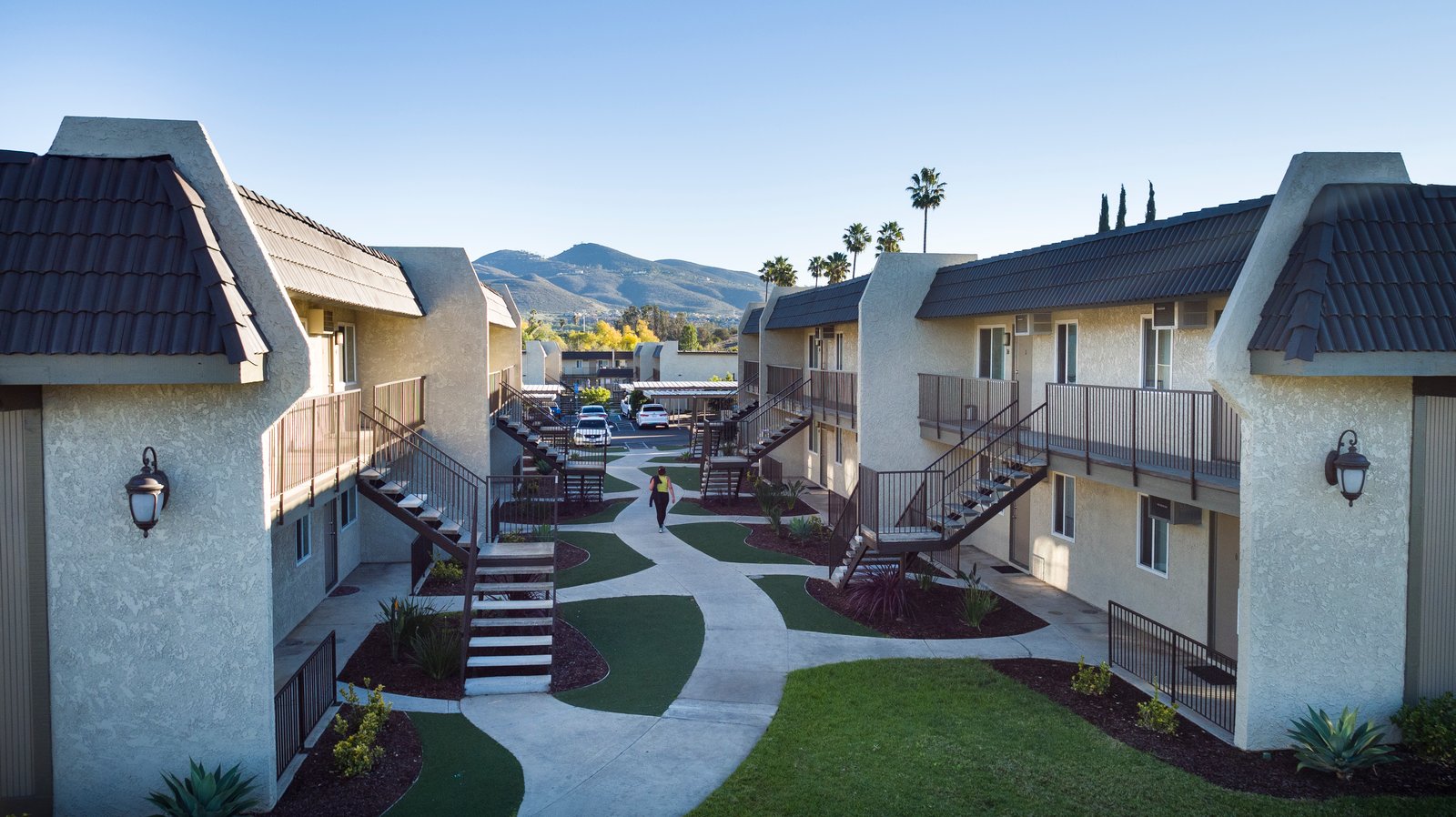
A property walk is broader than an individual maintenance request or an apartment turn. It can cover common areas, building exteriors, grounds, access points, visible equipment conditions, and other areas included in the property's process. It is an observation record. It does not replace a qualified inspection or decide a legal, habitability, or life-safety question.
Identify the property and location
Put the property, date, person or team completing the walk, and areas covered at the top of the report. Each observation should identify a building, floor, room, common area, exterior elevation, or other location that someone can find again. “Needs attention” is not enough. Write what was seen and where.
Use photos when they clarify the condition, and attach them to the matching observation. A photo should have a date and location in the record. Avoid including resident names, personal documents, or unnecessary personal details. The owner needs a useful property record, and the people living there deserve appropriate privacy.
Keep the route or coverage list with the report. If the team walked the lobby, corridors, parking areas, exterior elevations, and grounds, say so. If access prevented a full review, record the area that was not covered and the plan to return. A report that quietly changes its coverage from month to month can make a property look different when the inspection area changed.
Separate observation from interpretation
Describe the condition before suggesting a cause. “Water staining visible below the second-floor window” is an observation. “The window is leaking” is a conclusion that may require further review. Keep both in the record when useful, and label the conclusion as a question or recommendation until the source supports it.
Give each item a current status. It may be a routine observation, a work request to review, an active repair, an item waiting for access or approval, or a condition sent to a qualified professional. Status should describe where the work stands. A photo alone does not prove that the issue was corrected.
Compare repeat observations with the prior report when that history is available. A stain that is unchanged, a trip hazard that was repaired, and a new damaged gate call for different follow-up. State the comparison plainly, and link the prior work record when the current item depends on it.
Give the owner a decision path for each observation. A clean item may stay in the routine record. A condition that needs more information may need a quote or qualified inspection. A confirmed repair need may need approval and scheduling. Recording that choice keeps the walk report from becoming a photo archive with no operating consequence.
Give every follow-up an owner
For each item, record the next step, responsible person or team, and checkpoint in the property's normal workflow. If a vendor visit is needed, link the work record when it exists. If the report calls for an inspection or legal review, route it to the qualified person who can make that determination. Do not turn an observation into a work authorization without the required approval.
The Coastline owner repair-reporting guide explains how an owner can follow an approved job through status, cost, and closeout. The owner scorecard provides related guidance on turning open items into accountable follow-through.
If apartment property walks produce photos and observations without clear locations, status, or follow-up, Request a Property Management Performance Review.
Sources
Coastline Equity, Approved Property Repair: Owner Reporting and Closeout Checklist; Coastline Equity, Commercial Property Management: A Practical Owner Scorecard.

 Explore Our Services
 Our Company
 About Our CEO
 Explore Our Blog