After approving a repair, confirm vendor acceptance, the work date, and the work performed. Before closing it, compare the result with the approved scope and record the field check. Keep missing evidence and remaining work visible.
Editorial review: October 26, 2026. Use current local forecasts and property records for the next operating decision.
Jump to a section
For a property-wide review, use the storm-readiness owner report.
What should you put in writing before work starts?
Use the editable Word files to keep the property record current, or the PDF versions for a printed review.
Need professional assistance preparing your property?
Request a Property Management Performance ReviewWhat should happen after a repair is approved?
After the owner approves a repair, the manager should confirm the vendor has accepted the scope and set a date.
| Step | What the owner should see | Open question when it is missing |
|---|---|---|
| Condition | The exact location, observed condition, history, and current evidence. | What problem is the work supposed to solve? |
| Recommendation | The proposed work, consequence of delay, and reason the work is appropriate. | What decision is the owner actually being asked to make? |
| Cost and authority | The estimate, approval limit, owner response, and date of the decision. | What was approved, by whom, and under what scope? |
| Vendor and schedule | The accepted scope, responsible vendor, target date, access needs, and dependencies. | Who is coming, and when? |
| Completion | A service record and dated photos matched to the approved scope, followed by a current condition check and any required test or inspection. | What shows the work happened and matched the approved scope? |
| Work or monitoring still needed | The current condition, remaining monitoring, warranty, follow-up, or further recommendation. | What remains open after the repair? |
This is Coastline's Condition to Closure framework in practice. It gives the owner a way to follow the decision without treating a status label as proof.
What should the owner report show?
A short report is enough if it answers the owner’s questions about the work:
- Property and location. Identify the building, area, system, and exact condition under review.
- Current evidence. Include dated photos, prior incidents, relevant history, and the source of the observation.
- Consequence. Explain what may happen if the condition remains open, using the facts known about access, occupants, equipment, or water entry.
- Recommendation and cost. State the proposed scope, estimate, options, and any qualified specialist input.
- Decision. Record approval, deferral, decline, requested revision, or unanswered status.
- Schedule. Show vendor acceptance, target date, access plan, dependencies, and the next update.
- Evidence and closure. State the field check, test, or report that will show the completed scope resolved the observed condition. An invoice or vendor completion note alone does not establish repair performance.
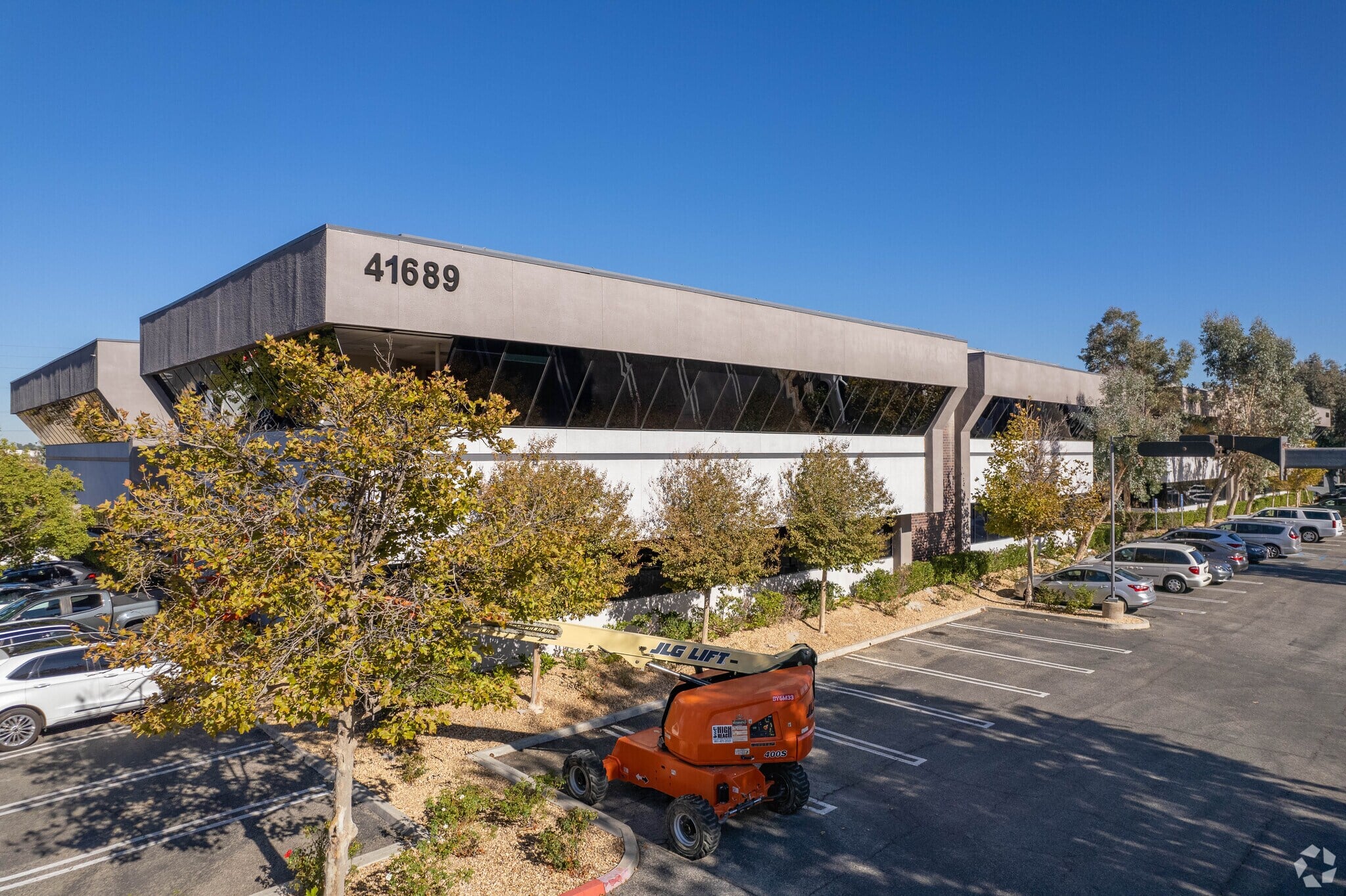
The owner should be able to read the report and answer two questions quickly: what needs to happen next, and what will prove it happened?
A completed status with the service date still unverified
In an October 22, 2026 record review, a repair order showed a scheduled appointment and a later administrative completion entry. Its actual work-completed date was blank. The review verified those entries but could not establish the actual service date or field result.
What the record supports: an appointment and a completion status. What remains open: when the work occurred, what was performed and how it was checked.
Owner’s next step: request the service record and matched closeout evidence. Keep the actual service date unknown until supported.
Source: Coastline’s October 22, 2026 work-order record review. Details are anonymized. This example establishes an evidence gap at that review, not the repair’s current status, failure or storm causation.
What should you do when the repair schedule is missing?
A repair can be approved while the vendor, date, access, or scope remains unresolved. The manager should identify what is holding up the work and who will resolve it.
Ask for a specific answer:
- Has the vendor accepted the work?
- Is the approved scope still accurate?
- What date was offered or confirmed?
- What access, tenant, weather, or material issue affects the schedule?
- What temporary control protects the property while the work remains open?
- Who will follow up, and what date will produce the next answer?
If the work is no longer appropriate, document the reason and replace it with the current recommendation. If the work is still needed, keep the owner decision and the unresolved condition visible. The report should not imply closure because a record was assigned or an email was sent.
PME's Deferred Maintenance principle applies here: a deferred condition needs a reason, a decision, a responsible person, and a follow-up path.
What should owners review when the storm window opens?
Review unfinished repairs before rain approaches. Use current National Weather Service forecasts and the property’s known conditions to decide when to activate the storm protocol.
At the 72-hour point, review the properties with the greatest known exposure and the shortest response window. Confirm access, drains, pumps, open repairs, vendor coverage, occupant contacts, and the evidence required after the event. At 48 to 24 hours, resolve decisions that fit the available time and issue property-specific instructions when the condition requires them.
The 72-hour storm protocol provides the event sequence. Use the report described here to check that approved repairs have a vendor, date and follow-up plan before rain is approaching.
What proves a repair is VERIFIED CLOSED?
Match the approved scope to the work performed and field result. Keep the date, verifier and limits with the repair record.
- Approved scope and completed work match.
- The verification method, date, conditions, and verifier are recorded.
- Limits of the check and remaining exposure are stated.
- Monitoring has a named owner and next date when needed.
Use PROOF UNAVAILABLE when the evidence needed to support the finding is missing. Use FIELD VERIFICATION PENDING when the check is still due. Reopen a previously closed item only when its basis fails, the condition recurs, or it materially changes.
Compare roof records with current condition when the repair involves a roof system.
What evidence should move a repair toward closure?
Use this compact, filled example to keep responsibility and limits visible for a Southern California commercial or multifamily property. Replace the illustrative condition with the property's verified record.
Illustrative example only.
This filled row shows how to use the existing owner tools. It is not a client case, outcome, date, photograph, or performance claim. Actual evidence is required before a record can be marked VERIFIED CLOSED.
What questions do owners ask about repair closure?
What happens after an owner approves a property repair?
The manager should confirm scope, vendor acceptance, schedule, access requirements, completion evidence, and the next owner update.
Does an assigned work order mean the repair is scheduled?
No. An assigned record should be followed by a vendor, date, scope, access plan, and a clear status that can be verified.
What should an owner report show when work remains open?
It should show the current condition, recommendation, cost, decision, responsible party, schedule, consequence of delay, interim control, and next follow-up.
When can a repair be called complete?
When the completed work matches the approved scope, evidence is retained, the current condition is checked, and any remaining repair or monitoring has a responsible person and follow-up date.
What should owners do when a storm is approaching?
Use current National Weather Service information to activate the property protocol, then confirm open work, access, vendors, contacts, and known exposures.
What should you do next if the repair remains open?
If an approved repair keeps appearing in your report without a confirmed date or a check of the result, bring that example to a Property Management Performance Review.
For context on the markets covered by this content, see Coastline's locations.
Sources
- National Weather Service forecasts, watches, and warnings
- Property Management Excellence, Deferred Maintenance
- Coastline Equity, Condition to Closure framework, owner reporting and repair verification standard

About the Author: Anthony A. Luna
Published · Last Updated
Anthony A. Luna is the Owner and CEO of Coastline Equity and author of Property Management Excellence. A licensed California real estate broker, he leads commercial and multifamily management operations across Southern California.
Services & Regional Coverage
Let's elevate the property management industry together. Share this blog with fellow investors.




More about Coastline Equity
-
 Explore Our Services
Our team will handle all your property needs, offering specialized services such as in-depth inspections, liability management, staff recruitment and training, and round-the-clock maintenance—expert support tailored to the unique requirements of your real estate assets.
-
 Our Company
Our dedicated team transforms property management challenges into opportunities. From tenant management to streamlined rent collection and proactive maintenance.
-
 About Our CEO
Anthony A. Luna is CEO of Coastline Equity and author of Property Management Excellence. He writes about Southern California commercial and multifamily property management, owner decisions and the work required to follow repairs through completion.
-
 Explore Our Blog
Learn more about Coastline Equity's property management practices & processes and how we support our clients with education and a growth mindset. Coastline Equity Property Management is your partner as you continue to learn and grow.
News & Updates