For a State unit owner, SB 721 is an check and repair duty for certain exterior elevated elements. The main first check deadline was January 1, 2026. If an local building has no completed check report, the practical next step is to confirm its scope and plan a vetted inspector, then address any safety finding on the statute’s timetable.
Which buildings and elements are covered?
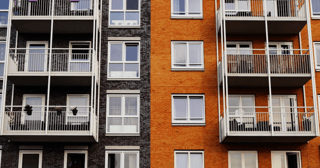
Health and Safety Code section 17973 applies to buildings with three or more multifamily dwelling units and qualifying exterior elevated elements. These include balconies, decks, porches, stairs, walkways. Entry structures that extend beyond exterior walls, have a walking surface more than six feet above ground, are designed for human use.
Rely wholly or substantially on wood or wood-based structural support. Associated waterproofing is part of the check. The statute excludes common interest developments. Condominium associations have a split exterior-elevated-element regime under Civil Code section 5551. The two plans should not be combined.
When is the inspection due?
The main initial SB 721 check was due by January 1, 2026, with checks by January 1 each six years thereafter. For a building with a permit form submitted on or after January 1, 2019, the check is due no later than six years after its proof form of use.
This is the actual new-construction rule. There is no main “less than ten years old” exemption. A city or county may impose stronger local rules, so check the site’s jurisdiction as well as the state deadline.
Section 17973(d)(2) gives a split timetable. When an owner confirms asbestos-containing major during the check step and cannot complete the check. This is because of it.
The owner has up to nine months to complete the needed abatement under local laws, then no more than three months after abatement to complete the check. Keep the confirmation and abatement records for three years after the check. This state does not give each building a main deadline extension.
Who inspects, and what is in the report?
The owner hires a vetted inspector. The statute permits a licensed architect, licensed civil or structural engineer, a vendor with an A, B, or C-5 classification and the specified five years of multistory wood-frame experience, or a vetted certified building inspector or official recognized by the local jurisdiction.
The inspector evaluates the load-bearing and waterproofing components by direct visual examination or a comparable method and inspects at least 15% of each type of qualifying element. More examination may be needed when the observed state calls for it. Do not assume each balcony needs invasive testing.
The signed or stamped report goes to the owner within 45 days of check finish. It includes photos, test results, a state baseline, expected future results, recommended further check. Any fast safety concern.
Keep reports for at least two check cycles and give them to a buyer on a later sale. Reports recommending fast repairs or access restrictions go to the local enforcement agency as well as the owner within the statute’s 15-day window.
What happens when a problem is found?
An fast threat calls for fast planned action. Preventing access until urgent repairs can be completed can satisfy that first step. Urgent work must meet the statute’s repair, check, and reports rules.
For corrective work that is not an fast threat, the owner must apply for a permit within 120 days after receiving the report and then complete repairs within 120 days after permit sign-off, unless the local agency grants an extension.
Section 17973 also sets conditional local notice, daily civil-penalty. Lien steps. When repair rules remain unmet. Fines are not automatic for each missed check. The statute does not promise plan denial or site closure.
How should an owner budget?
There is no reliable statewide per-unit price in the statute. Ask bidders to price the actual number and types of qualifying elements, access gear, sample size, any moisture or exploratory work, the report. A split scope for follow-up check after repairs. A 100-unit building may have few qualifying elements or many.
Dividing a generic fee by unit count hides that difference. Keep a repair reserve split from the check quote, since dry rot, water intrusion. Access work can change the repair scope. For a multi-site group, compare bids on the same element inventory and report deliverables. Before treating a bulk price as savings.
Start with the element inventory, permit and use dates, any prior check report. The local agency’s rules. That gives a vetted inspector enough context to quote and gives the owner a defensible record of the next step.
Coastal Balcony &. Structural Deck Compliance
Coastal multifamily sites face accelerated marine moisture intrusion on cantilevered wood balconies, elevated walkways. Exterior stairwells. Coastline Equity coordinates licensed engineering checks and remediation across Southern State coastal hubs:

 Explore Our Services
 Our Company
 About Our CEO
 Explore Our Blog