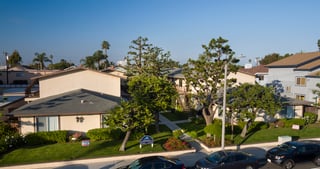
Menifee multifamily property owners should expect their management team to provide transparent leasing tracking, controlled unit turn timelines, disciplined resident communication, and an accountable monthly reporting rhythm that connects property performance directly to ownership decisions.
Local Multifamily Context Along the I-215 Corridor
Menifee is situated in Southwestern Riverside County along the Interstate 215 corridor between Perris and Murrieta. As highlighted in the City of Menifee 2025 Annual Report, the municipality has experienced rapid residential development, commercial expansion, and ongoing infrastructure improvements.
However, citywide growth does not automatically guarantee high occupancy or steady net operating income for an individual apartment community. Multifamily performance requires hands-on operating discipline: maintaining fast unit turns, screening prospects thoroughly under California fair housing standards, managing renewals proactively, and resolving maintenance issues before they trigger resident turnover.
The Multifamily Management Standard
Effective apartment management is built on systematic daily execution rather than reactive problem-solving. A professional management team operates with defined protocols for every phase of the resident lifecycle:
- Active leasing and pipeline tracking. Inquiries, showings, applications, and approvals must be tracked in real time to minimize marketing vacancy and ensure responsive prospect follow-up.
- Documented resident communication. Inquiries, repair requests, and lease notices should be logged in a centralized management platform with clear service records and resolution timestamps.
- Structured renewal pipeline management. Approaching lease expirations should be evaluated 60 to 90 days in advance, allowing ownership to review market rental rates and establish renewal offers before vacancy occurs.
- Disciplined maintenance and vendor oversight. Preventative maintenance schedules and verified vendor clearance protect building systems, reduce long-term capital liability, and maintain property curb appeal.
Labelled Scenario: Unit Turn Inspection, Scope Change, and Owner Approval
Unit turnover is one of the most critical operational processes in multifamily management. The difference between disciplined property management and reactive drift is visible in how unexpected turn repairs are handled:
Illustrative Turn Scenario: A resident vacates Unit 14 on Day 0 of the month. The management team conducts an initial move-out inspection on Day 1 and schedules a standard 7-day turn for interior paint, minor drywall patching, and professional carpet cleaning, estimating total turn costs at $1,200.
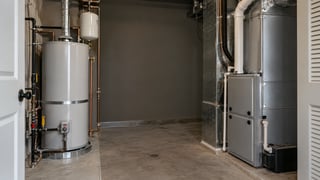
- Day 1 Inspection Finding: While inspecting plumbing fixtures, the maintenance technician discovers subfloor moisture beneath the water heater closet, indicating a minor valve seepage that compromised the adjacent flooring material.
- Scope and Schedule Adjustment: Rather than installing new carpet over damp flooring, the manager brings in commercial drying equipment and schedules a subfloor carpenter. Remediation and subfloor patching require an additional 4 days, adjusting the ready date from Day 7 to Day 12. Total turn cost is revised to $2,350 ($1,150 additional capital repair).
- Owner Communication and Decision: The manager immediately sends the owner an itemized change-order request with photo documentation and contractor bids, securing written owner approval within 24 hours. The leasing team updates the listing calendar so prospective residents are not promised an unrealistic move-in date.
- Turn Completion: On Day 12, the unit passes the final quality inspection, new carpet is installed, and the apartment is certified move-in ready for the incoming resident.
This disciplined workflow protects the physical asset, prevents secondary water damage, informs the owner of capital dependencies before costs are incurred, and maintains credibility with incoming residents.
What Menifee Multifamily Owners Should Receive Each Month
Monthly owner reporting should provide the operational story behind the financial numbers. A comprehensive monthly package should include:
- Executive Operating Summary. A concise overview outlining current occupancy, pending unit turns, upcoming renewal decisions, and major maintenance projects.
- Current Rent Roll and Occupancy Ledger. Detailed list of units, floor plans, resident names, lease start and expiration dates, contract rents, and deposit ledgers.
- Delinquency Aging and Collections Log. An itemized accounting of outstanding balances, accompanied by documented payment arrangements, cure notices, or legal coordination where applicable.
- Unit Turn Tracking Report. A schedule tracking every vacant unit, move-out dates, approved renovation scopes, assigned contractors, revised completion targets, and ready-to-lease dates.
- Work Order Aging and Maintenance Summary. Log of completed and outstanding maintenance requests, detailing reported dates, completion times, and resident satisfaction sign-offs.
- Income Statement and Budget Variance Analysis. Operating statement comparing actual monthly revenue and operating expenses against the annual budget, with written narratives explaining significant variances.
Warning Signs of Management Drift
Multifamily property owners should watch for early signs that their management company is operating reactively:
- Vacant units sit for weeks without documented turn progress, contractor commitments, or marketing updates.
- Resident service requests are acknowledged informally but lack documented tracking or timely closeout.
- Lease renewal discussions begin only after a resident submits a 30-day notice of intent to vacate.
- Monthly financial packages arrive late or provide line-item totals without explanatory operating context.
- Routine maintenance backlogs grow while vendor invoices are submitted without prior written owner approval.
Questions to Ask Before Hiring or Switching Managers
When interviewing multifamily property managers in Menifee, ask these five practical questions:
- How do you track and report the unit turn process from move-out to ready status? Look for specific software workflows that track vendor milestones, schedule changes, and final inspection checklists.
- What is your documented process for managing upcoming lease renewals? Confirm that renewal pipelines are reviewed at least 60 days ahead with market rent analysis and owner consultation.
- How are resident maintenance requests logged, prioritized, and followed through? Ask how emergency calls, routine repairs, and vendor dispatches are communicated to residents and tracked to resolution.
- What does your standard monthly owner reporting package look like? Request an anonymized sample report that demonstrates variance explanations and operational detail.
- What specific onboarding steps occur during the first 90 days of management? The manager should outline a systematic intake protocol: lease file audits, tenant contact verification, deferred maintenance inspection, vendor review, and operating budget alignment.
The Operating Partnership
Multifamily ownership in Menifee requires an operating partner who balances resident satisfaction with rigorous asset protection. When leasing, maintenance, and resident communication are managed with systematic accountability, owners gain reliable operating visibility, protected property condition, and dependable cash flow.
To evaluate whether your current management approach meets this standard, review your operating records, turn histories, and monthly reports against your long-term ownership goals.
Related Multifamily Resources
A Practical Next Step
To discuss your Menifee apartment community, operational challenges, or management requirements, request a confidential multifamily management proposal from Coastline Equity.
Request a Menifee Multifamily Management Proposal





 Explore Our Services
 Our Company
 About Our CEO
 Explore Our Blog