A leak-detection plan gives a rental-property owner three answers: where water problems may first appear, who receives the warning, and what happens when an alert arrives. A sensor or a rising bill can point to a problem. Neither closes the work. The manager still needs to investigate, assign a response, and show the owner what was found.
Start with the property's water map
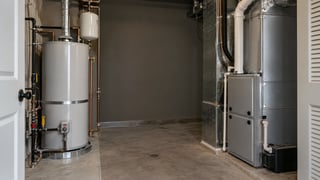
Ask your manager to identify the main shutoff, any submeters, water heaters, mechanical rooms, laundry equipment, irrigation, and spaces where a leak could affect another unit or suite. Record who can access each point and what requires a vendor. This map makes an alert useful because the responder knows where to begin.
Look at prior water incidents and work orders. Repeated leaks at one fixture call for a repair decision, not another reminder to watch it. For a broader inspection routine, use the rental water-damage checklist.
During a site check, note new stains, damp flooring or drywall, musty odors, and repeated fixture drips. Each is a reason to investigate the location and extent of water; a visible sign alone does not establish the source or the repair scope.
Choose a signal that fits the location
Meter and bill review can reveal unusual use, but the reading may cover more than one unit or include irrigation. Compare like periods and investigate an unexplained change before assigning a cause. EPA WaterSense suggests asking the utility about leak alerts and reviewing bills for unusual use. Its maintenance guidance also describes a meter check when water is not being used.
Moisture sensors can flag water at a particular location, such as near a water heater or under a sink. Flow monitoring looks for unusual water-use patterns in the line it monitors. EPA's device guide explains both approaches and notes that they can be used in multifamily and commercial buildings. Match coverage to the building's plumbing and access. A sensor in one room does not monitor every pipe.
Assign the alert before installing devices
Write down who receives alerts during business hours and after hours, how a missed alert is escalated, and who can authorize entry or a shutoff. Include the utility or device account owner, the manager, the backup contact, and the vendor route. Test an alert with the people who will actually respond.
Ask what the owner will see after an alert: the location checked, observed condition, action taken, open work, and next update. If the manager confirms an active leak, the water-leak incident guide covers response, vendor handoffs, and closeout.
Keep the plan working
Put batteries, connectivity, device access, and alert recipients into the maintenance review. EPA recommends checking installed detection or flow-monitoring systems at least annually. Also review false alarms and missed events. A device that no one tests can create confidence the property has not earned.
At the next owner review, ask for the water map, the last meter or bill comparison, alert-test result, and any unresolved water work orders. That is enough to decide whether monitoring, a plumbing repair, or a different response route needs attention.
If you want to discuss a water-detection and response plan for your property, contact our team with the property type, location, and the water issue you are trying to catch.





 Explore Our Services
.webp?width=300&height=200&name=charles-forerunner-3fPXt37X6UQ-unsplash-1920w%20(1).webp) Our Company
Our Company About Our CEO
 Explore Our Blog