Managing a rental property in Temecula requires more than collecting rent and calling a contractor when something breaks. Owners need a repeatable operating approach for leasing, resident communication, maintenance, financial records, and compliance. The right approach depends on the property type, lease structure, condition, owner priorities, and the facts of the local market.
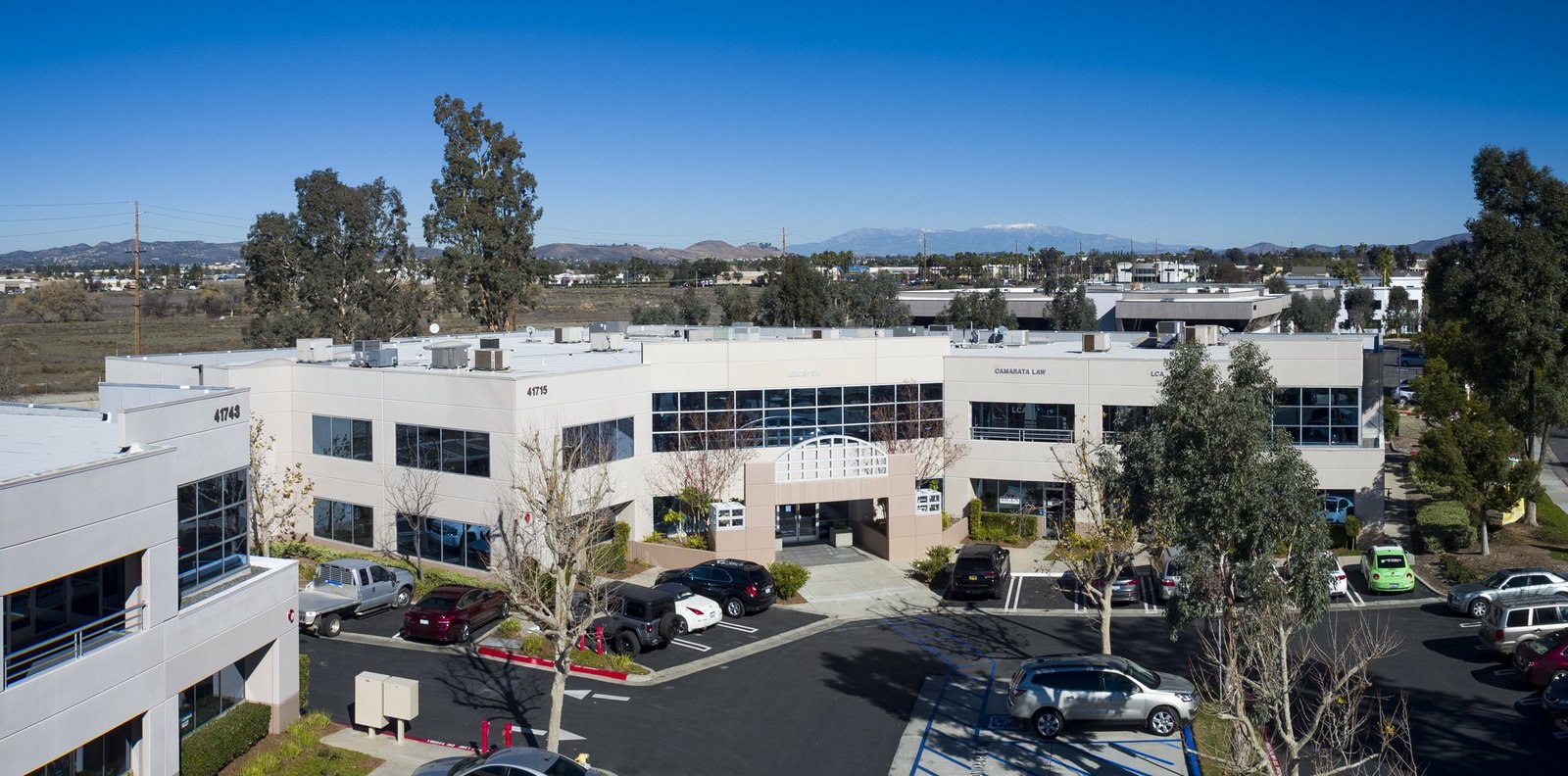
Temecula includes established neighborhoods, newer communities, multifamily housing, and commercial properties. Those settings do not all call for the same plan. An owner should expect a property manager to learn the asset, document its current condition, understand active leases, identify open issues, and define how decisions will be communicated.
For example, a Temecula office or flex owner can ask how vacant suites, common-area repairs, and lease-supported cost recoveries appear in the monthly report. An apartment owner may need the same report to explain turns, resident requests, and security-deposit records. The agreement and leases set the scope for each property.
Start with the Property and the Management Agreement
A useful management plan begins with a clear scope. The management agreement should identify which services are included, which decisions remain with the owner, how fees are charged, how maintenance is authorized, and how either party may end the relationship. It should also explain how records, deposits, leases, keys, vendor information, and open work orders will be handled during a transition.
Before work begins, owners should assemble leases, amendments, resident ledgers, inspection records, warranties, insurance information, vendor contracts, notices, and recent financial reports. Missing or inconsistent records should be labeled and resolved. This baseline gives the owner and manager a shared view of the property without promising a particular financial result.
Core Property Management Work
Leasing and Resident Administration
Leasing work may include preparing marketing materials, responding to inquiries, showing available space, receiving applications, applying written screening criteria, preparing lease documents, and managing renewals. Screening standards should be documented and applied consistently in accordance with applicable fair housing and consumer reporting requirements. A manager should never promise that a screening process will eliminate all risk.
After move-in, communication practices matter. Residents should know where to pay rent, how to report maintenance, whom to contact in an emergency, and where formal notices will be delivered. Owners evaluating multifamily support can review Coastline Equity's commercial and multifamily management scope for the types of operating areas that may be included.
Maintenance and Property Condition
Maintenance should be organized around intake, triage, authorization, assignment, documentation, and closure. Emergency conditions require a different response path from routine requests. For non-emergency work, the record should show the reported issue, relevant photos or notes, vendor assignment, owner authorization when required, invoice, and completion status.
Preventive work can be scheduled according to the building, equipment, manufacturer guidance, lease obligations, and applicable requirements. Inspections document observable conditions at a point in time and may not discover concealed or developing defects. Owners should ask how inspection findings become tracked work and how unresolved items are reported.
Accounting and Owner Reporting
Owner reporting should make activity understandable. Reports may include rent charges and receipts, expenses, invoices, security-deposit records, open receivables, bank activity, and notes explaining unusual items. The exact reporting package should match the property and management agreement. Owners should review both the summary and the supporting records instead of relying on a single performance label.
A useful reporting cadence also makes responsibilities visible. Ask the manager to show who owns each exception, the next action, and when the owner will receive an update.
Questions to Ask a Temecula Property Manager
- Which property types and lease structures does the team routinely manage?
- How are applications evaluated under written, consistently applied criteria?
- What is the process for emergency and routine maintenance?
- Which expenses require owner authorization, and how is that approval recorded?
- What reports and source documents will the owner receive?
- How are legal or compliance questions referred to qualified counsel?
- What information is needed to transition the property into or out of management?
Answers should be specific enough to compare against the written agreement. Be cautious with absolute promises about occupancy, expenses, returns, or the prevention of disputes. Property performance depends on many conditions outside a manager's control.
Discuss Your Temecula Property
A management conversation should begin with the property's facts and the owner's priorities. Contact Coastline Equity to discuss scope, records, current issues, and the questions that should be resolved before a management decision.
Management scope and property requirements vary. Use the written agreement and current records to decide what applies to your property.





.webp?width=300&height=200&name=charles-forerunner-3fPXt37X6UQ-unsplash-1920w%20(1).webp)