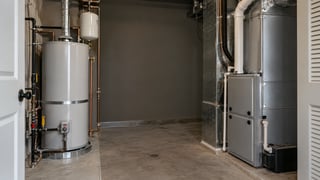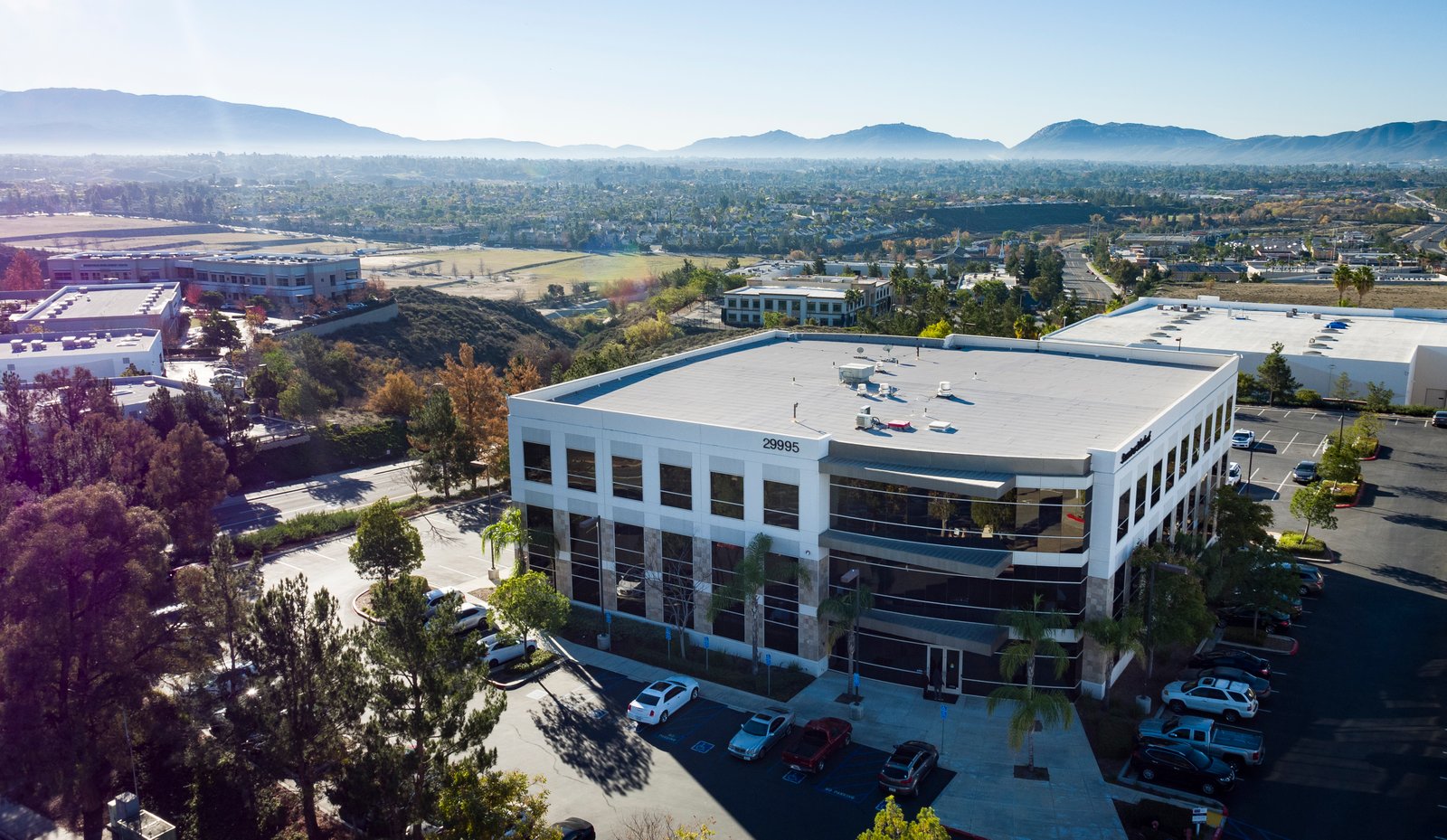
A commercial capital funding request should let an owner see the project scope, condition, estimate, timing, funding source, risks, and approval record before money is committed. A total at the bottom of an email is not enough. The owner needs to know what the amount covers, what evidence supports it, and what happens if the scope or schedule changes.
The request is a decision file. It can organize the facts and recommendation without pretending that an estimate is a final cost or that a proposed project has already been approved.
Describe the condition and the requested outcome
Identify the property, building area, observed condition, consequence of leaving it open, and the outcome the project is meant to achieve. Add the inspection note, photo, repair report, or other record that supports the condition. Coastline’s repair reporting guide separates condition, consequence, recommendation, cost, decision, schedule, completion evidence, and monitoring. A capital request should preserve those distinctions.
Avoid calling work capital, required, or urgent unless the source and appropriate reviewer support that description. The file can say that a capital review is requested and list the question the owner needs answered.
Show scope, estimate, and assumptions
State the proposed scope in plain language. Include the vendor proposal, inclusions, exclusions, allowances, taxes, permits, access needs, insurance requirements, and assumptions that could change the amount. If bids are being compared, put the same scope beside each price. A cheaper number with a shorter scope is not a useful comparison.
Show the expected timing, dependencies, tenant or occupant impact, and any temporary protection needed. Mark the estimate as preliminary when the source record says so. Do not turn a preliminary estimate into a commitment by repeating it in a polished summary.
Connect funding to the property’s cash plan
Identify the proposed funding source, current reserve or cash position, expected invoices, and other known obligations that compete for the same funds. Coastline’s cash flow guide explains why a property’s operating result and available cash are not interchangeable. The request should show the cash question without promising that funds are available when the ledger or owner direction has not confirmed it.
Separate owner approval from vendor scheduling. A proposal can be ready for review while access, insurance, permits, or a final scope remain pending. Record the decision owner and the condition that must be met before work starts.
Plan change control and closeout
Before approval, state how changes will be presented, who can approve them, and what evidence will be kept. After work, match invoices to the approved scope, record changes, inspect the result, and retain completion documents. A capital file is not complete because a vendor says the job is done. The closeout record should show what was delivered and what remains open.
If capital requests are hard to connect to condition, scope, cash, approval, and closeout evidence, Request a Property Management Performance Review or explore our portfolio evaluation overview.
Frequently Asked Questions
What separates a complete commercial capital request from a routine repair ticket?
A complete commercial capital funding request ties a photographed building condition deficiency, remaining mechanical system useful life, and multi-year property asset impact directly to competitive vendor bids, a verified operating cash or capital reserve funding source, and clear completion milestones. Routine work orders handle day-to-day maintenance within pre-approved property manager spending limits, whereas capital requests require deliberate advance owner budget approval before any contractor mobilizes onsite or orders specialty equipment.
How do commercial lease terms affect capital project funding decisions?
Before funding roof replacements, parking-lot asphalt repaving, exterior lighting retrofits, or base-building HVAC equipment swaps, verify whether each executed commercial lease permits useful-life GAAP amortization inside CAM pools, enforces annual capital pass-through caps, excludes structural capital entirely, or assigns specific rooftop package units directly to commercial tenants so property accounting classifies recoverable vs. non-recoverable project spend accurately from day one.
What post-approval controls protect owners while commercial capital work is active?
Require written owner sign-off for every change order exceeding agreed contingency thresholds, dated progress photographs tied directly to each vendor draw request, unconditional mechanic lien waivers from primary and sub-tier contractors before releasing progress payments, and a structured closeout packet depositing transferable manufacturer warranties, as-built drawings, and final municipal building permit sign-offs into permanent property records.