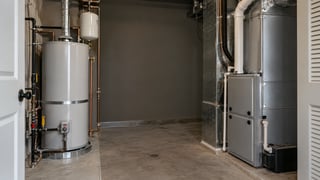
A commercial owner should be able to tell whether a maintenance line is ordinary operating work, a repair that needs a larger decision, or a capital project. If every line is treated the same, the report becomes a list of expenses instead of a tool for deciding what the building needs next.
The answer is to classify the work using the condition, the scope, the expected life of the result, the approval path, and the evidence required to close it. The accounting treatment still belongs with the owner’s accounting policy and advisers. The management report should make the operating decision visible.
Describe the condition before the category
Start with the location and observed condition. Add the consequence if nothing changes, the urgency, the affected tenant or building system, and the record that supports the observation. A leaking roof drain, a failed door closer, and a recurring HVAC fault may all appear as “maintenance,” but their risks and next decisions can be different.
Coastline’s repair reporting guide calls for location, condition or evidence, consequence, recommendation and cost, decision, schedule, completion evidence, and remaining monitoring. Use that sequence before deciding how a line should be presented in the owner report.
Use scope and expected result
Routine work usually has a defined service or repair scope that returns an item to its expected operating condition. A capital discussion may involve replacement, an improvement, a larger system decision, or work that needs its own scope, bids, schedule, and approval. The dollar amount can inform the review, but it should not be the only test.
Ask whether the proposed work solves the stated condition, changes the useful life or capability of the asset, or introduces a broader project. If the answer is unclear, show both the immediate repair and the longer-term question. That gives the owner a choice without presenting a management recommendation as a final accounting conclusion.
Separate approvals and closeout
A report should show who approved the scope, whether the vendor accepted it, when work is scheduled, what changed, and what evidence will close the item. For a larger project, keep the objective, bids, schedule, committed and paid costs, change orders, inspections, and completion record together.
The Coastline commercial management guide connects capital work to written scope, approvals, bids, access and insurance controls, cost tracking, change control, inspections, and completion evidence. That is a useful owner review standard even when the first step is a small repair.
Show the decision in the monthly report
Create separate sections for routine work, repair decisions, and capital or improvement work. For each line, show the status, next action, owner decision needed, cost information, and date of the next check. Link the invoice to the approved scope and the completion evidence. If a condition is recurring, show the history instead of hiding it as another isolated work order.
Coastline’s owner scorecard connects building condition, vendor and project accountability, financial visibility, and owner control. Classification works when those pieces stay together. It fails when a report uses a label to avoid explaining the condition or the decision.
If your commercial reports blur routine maintenance, repairs, and capital decisions, Request a Property Management Performance Review.