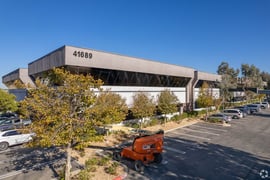
A retail property’s performance depends on the businesses occupying it, the condition of the space and what it costs to operate. Tenant mix, inspections, expense control, local market research, customer access and promotions each give an owner something to work on. The useful question is which action addresses an actual problem at this property.
Consider a hypothetical eight-space retail center with two vacancies and one lease expiring in six months. One tenant has reported poor evening lighting near a rear entrance. Another wants a weekend promotion. Filling space, fixing the entrance and supporting an event involve different work, costs and decisions. Start with the rent roll, leases, inspection findings and operating budget before choosing where to spend.
1. Build a tenant mix the property can support
Map the occupied and vacant spaces by use, size, lease expiration and operating needs. Ask how the businesses use parking, deliveries, utilities and shared areas. A proposed tenant may complement existing stores while still needing improvements or access arrangements the space cannot support economically.
For the hypothetical center, compare leasing prospects against the vacant suites and the upcoming expiration. Review permitted uses and any exclusive-use provisions in the executed leases. Have the leasing broker explain inquiries, tours, proposed terms, concessions, tenant improvements and commissions. The property manager can contribute operating information; the owner makes the leasing decisions reserved to them.
Compare the cost and timing of each proposal as well as its rent. A higher asking rent does not explain the cost of preparing the space or the months it may remain empty. Record why a proposed use fits the property and which existing tenant relationships it could affect. Tenant mix is a leasing choice to evaluate, with no automatic promise of higher sales or rent.
2. Use inspections to protect the everyday experience
Walk the property with attention to how people enter, park, find a business and use shared areas. Review lighting, paving, drainage, landscaping and visible maintenance conditions. Record the condition, location and work needed so the person arranging the repair understands what was found.
At the hypothetical center, the rear-entrance lighting report needs a response and an assessment of the equipment and affected area. Determine responsibility and the appropriate work, arrange access and tell affected tenants what to expect. After the work, check the result at the time the problem was reported. An invoice for replacing a fixture does not show whether the entrance is adequately lit.
Keep recurring problems in view. An inspection should lead to an assigned action, an explanation of what remains open or a reason no work is needed. A property can look orderly during a daytime visit while a tenant experiences a different problem after dark.
3. Compare savings with the full cost of the change
Review utility bills and vendor contracts alongside the work being provided. A lower maintenance quote may change the visit frequency, included tasks or response arrangements. Compare the scope before treating the difference as a saving. For energy work, establish the building’s usage and operating conditions before accepting a projected reduction.
The Department of Energy’s retrofit guidance describes energy-efficiency improvements as an opportunity to reduce operating costs. ENERGY STAR benchmarking provides a way to compare energy use with a baseline and review changes over time. Neither source establishes what this particular property will save.
For a separate hypothetical lighting proposal, assume an installed cost of $6,000 and estimated annual savings of $1,500. Simple payback is $6,000 divided by $1,500, or four years. That calculation excludes financing, changes in maintenance cost and the value of money over time. It is a screening calculation, with estimated savings that still need support.
Also identify who pays the bill and receives the saving under the actual leases. Common area maintenance (CAM) recoveries, exclusions or caps can change the owner’s economic result. Keep capital spending separate from routine operating expense in the comparison, and check completed work against subsequent usage and costs. A projected saving needs a baseline and a follow-up.
4. Translate local market information into a leasing choice
Ask the leasing broker for relevant competing space, current availability, proposed terms and recent leasing activity. Compare location, size, condition and use rather than collecting asking rents from unrelated buildings. Distinguish advertised terms from completed transactions and identify the date and source of the information.
At the eight-space center, a nearby vacancy could affect a prospect’s alternatives. A change in a neighboring business may affect the uses that make sense for an empty suite. Neither observation proves a new rent or leasing strategy. Use it to ask a specific question about positioning, preparation of the space or the terms being proposed.
Retail technology can help track inquiries, tours and prospect feedback. Evaluate a tool by the question it helps answer and the reliability of its information. A dashboard is useful when it reveals where a leasing conversation stopped or what prospects consistently ask for.
5. Find the barrier behind low foot traffic
Visit the property at relevant times. Is the entrance visible? Can customers read the directory and find the store? Is a delivery blocking a route? Does a quiet period reflect store hours, access or the type of business? Discuss the observation with the affected tenant before buying a feature intended to attract visitors.
For a proposed sign or directory change, identify the location, approvals, installation cost and problem it should solve. Compare aggregate traffic observations over similar periods, noting store hours, weather and events that may affect the comparison. If tenants choose to share information about visits or sales, keep its limits clear. More people passing a store does not by itself establish more purchases, rent or property income.
6. Give a promotion a purpose, owner and budget
A product launch, coordinated sale or small event may give participating tenants a reason to invite customers to the center. Agree on the purpose and participating businesses before committing money. Identify who handles promotion, setup, parking, cleanup and the arrangements required for the activity.
The property manager, leasing broker and tenant each have a different role. Confirm whether marketing or event coordination is part of the management agreement and whether a separate budget or service is needed. The owner’s agreement to support an event should identify what is being approved; a tenant remains responsible for its own business decisions.
For the hypothetical weekend promotion, compare its cost and participation with what actually happened. Ask participating tenants what worked and what they would change. Neighbors and nearby businesses may also value a well-run event, but attendance alone does not prove lasting community benefit or higher property returns. Use the experience to decide whether to repeat, adjust or stop the activity.
Choose the next action for this property
The eight-space center still needs a leasing plan for its vacancies, a timely review of the expiring lease and follow-through on the lighting concern. An event proposal can be considered on its own merits while that work continues. Make each decision with the actual property conditions, cost and responsible person in view.
Our Southern California commercial management guide explains how lease administration, tenant relationships, maintenance and owner reporting support that work. Coastline’s current services page describes its commercial operating scope and how proposals define responsibilities and fees.
If you own or represent a Southern California retail property, contact Coastline Equity with the location, number of spaces, vacancies and operating concern you want to address. We can discuss the management scope the property needs.




.webp?width=300&height=200&name=charles-forerunner-3fPXt37X6UQ-unsplash-1920w%20(1).webp)