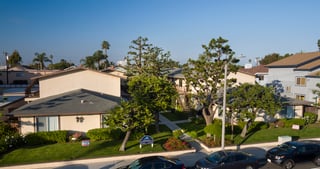
Good landscaping gives a property usable, cared-for outdoor space. For an owner, the work includes keeping planting healthy, controlling irrigation waste and paying for a maintenance scope the property actually needs. An attractive entrance can support a favorable first impression, but landscaping alone does not establish higher rents, resident retention or a higher valuation.
Start with how people use the grounds. A shaded seating area, a clear route from parking to an entrance and a planted border each serve different purposes. The design and maintenance budget should reflect those uses, along with the site's climate and existing conditions.
Match maintenance to the plants and the property
A mowing visit is easy to see. Less visible work, such as monitoring irrigation or identifying a declining plant, also needs an assigned scope. Ask the landscape provider what it will inspect during a routine visit and what requires separate service.
Pruning, mowing and seasonal cleanup should follow the needs of the installed plants. One fixed schedule for every species can leave an owner paying for unnecessary work while overlooking work that matters. Have the provider explain its proposed frequency and how it changes during the year.
During a property walk, note vegetation extending into paths, branches near the building and debris collecting at drainage openings. Record the location and send it to the appropriate provider for assessment. A photograph documents the observation; it does not establish the cause or the right repair.
Review irrigation before adding more water
A dry patch deserves investigation before anyone increases the entire system's runtime. The EPA's Sprinkler Spruce-Up guidance identifies broken or tilted heads, leaking connections and sprinklers aimed at pavement as conditions to check. Water pooling between irrigation cycles can indicate a leak. An irrigation professional can assess a problem when its cause is unclear.
Ask for the affected zone and the proposed adjustment. That makes it possible to revisit the same area after the work. For example, a provider might find that one head is blocked while adjacent planting receives enough water. Repairing that head addresses a different problem from increasing every zone's watering time.
The EPA's outdoor maintenance guidance recommends seasonal timer adjustments and compliance with regional water restrictions. It also explains that soil type and slopes affect how water soaks in. Watering duration needs to match the site. Confirm the site's conditions and the current requirements of its water supplier.
Choose planting for its mature form and ongoing care
Native or climate-appropriate plants are options to evaluate when replacing planting or reducing turf. The selection still needs to fit the property's soil, sun exposure and available space. Ask how the proposed plants will be watered while becoming established and maintained afterward.
Compare mature size with the space available. A small plant at installation may eventually obstruct a path or require frequent pruning. Include replacement allowances and the maintenance needed to achieve the proposed appearance when comparing bids.
Reducing unnecessary chemical use is a useful maintenance goal. Ask the provider to identify the actual pest, soil or plant condition before recommending a treatment. Calling a fertilizer organic does not, by itself, establish that the landscape will cost less to maintain. Treatment choices need a specific purpose and appropriate professional guidance.
Evaluate shade and building exposure
The Department of Energy's landscaping guide explains how well-placed shade can reduce solar heat gain. It also cautions owners to consider mature roots, branches near roofs and leaves near gutters. Local climate, plant placement and growth over time affect the result.
For a rental property, identify who pays the cooling bill before presenting a possible energy benefit as an owner's saving. Shade may also make an outdoor area more comfortable for residents or commercial tenants. Those are reasons to evaluate a proposal, not evidence of a particular dollar return. Check applicable local fire and planting requirements before changing vegetation near a building.
Treat recurring water problems as a separate investigation
Landscaping can influence how water moves through a site, but adding plants does not establish that a property is protected from flooding. Standing water beside a building or repeated runoff across a walkway calls for an assessment of the actual conditions.
Record when the water appears: during irrigation, after rainfall or at another time. Ask a qualified provider whether the issue is within its scope or requires drainage or engineering expertise. Keep a proposed planting improvement separate from a claim that the underlying water problem has been resolved.
Compare the complete vendor scope
Before selecting a landscape provider, compare what each proposal includes. Visit frequency, irrigation checks and debris removal should be clear. Tree work or irrigation repairs may carry separate charges. Confirm the approval process for work outside the recurring contract.
Consider this hypothetical comparison: one proposal has a lower monthly price but excludes irrigation checks; another includes checking the system during scheduled visits. The price difference cannot be evaluated fairly until the owner understands those tasks and any additional service charges. Neither proposal is automatically the better choice.
Separate one-time improvements from recurring care in the budget. For a planting replacement, ask for installation cost, establishment care and the ongoing maintenance estimate. If a provider projects water savings, request the baseline usage and the assumptions behind its estimate. Compare actual usage after the change, accounting for weather and occupancy where relevant.
Choose a specific next improvement
Choose one observed condition to address first. It might be irrigation overspray, planting that obstructs a route or an outdoor area that people rarely use. Ask your property manager or provider to propose the work, its cost and a way to check the result.
After approval, confirm when the work will occur and revisit the condition afterward. Our guide to confirming approved work and its result explains that follow-through. A landscape plan earns its place in the operating budget when the owner can understand the work being purchased and observe what it achieves.





 Explore Our Services
.webp?width=300&height=200&name=charles-forerunner-3fPXt37X6UQ-unsplash-1920w%20(1).webp) Our Company
Our Company About Our CEO
 Explore Our Blog