Senate Bill No. 326, known as The Balcony Law, was introduced in State in response to a tragic balcony collapse in 2015 that resulted in loss of life and serious injuries.
This law aims to safeguard residents and site owners by enforcing rigorous check standards for balconies and other elevated structures. By knowing the rules of SB 326, you can help make sure safety and prevent future incidents related to construction defects.
Navigating the rule checks step can be complex, but it is key for all site owners. Regular checks not only protect your asset but also enhance the safety of your community. This article explores the key aspects of SB 326. This includes who can conduct checks, the methods used, and the consequences for non-rule checks. Knowing these details will empower you to take the needed steps to keep a secure living setting.
Key Takeaways
- SB 326 mandates regular checks of balconies and elevated structures.
- Non-rule checks can result in big fines and safety risks.
- Specialized teams are needed to perform these key checks.
What are the Requirements of SB 326?
SB 326, known as the State Balcony Check Law, establishes clear guidelines for assessing the safety and state of certain building structures in State, mostly focusing on multifamily housing units.
Here’s what you need to know about the rules:
- Initial Check Deadline: You must complete the first check by January 1, 2025. This date is crucial for rule checks. This is true for homeowners' associations (HOAs) covered under the law.
- Regular Check Plan: After the initial assessment, follow-up checks are to occur each nine years. This plan helps make sure ongoing safety.
- Vetted Inspectors: Only certain teams are permitted to conduct these checks. You need to hire a licensed structural engineer, architect, licensed main vendor, or certified building inspector.
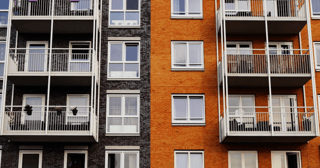
- Types of Structures Inspected: The law applies to all exterior elevated elements (EEE) that are six or more feet above the ground, focusing mainly on those composed of wood. This includes balconies, decks, and walkways.
- Check Rules: During the checks, you should check the waterproofing state of all inspected areas. Inspectors must also examine a statistically big sample of all balconies, decks. Walkways to accurately represent the building's overall state.
- Reports Issues: If any problems are found, the inspector will decide if more testing is needed. Any fast hazards must be reported to both the local building team and the HOA board.
- Check Report Contents: You will receive a detailed report that includes:
- A list of all inspected components
- A description of their current physical state
- An assessment of any danger they pose to residents
- An estimated lifespan and future results goals
- A categorized list of needed repairs, distinguishing between urgent and non-urgent needs.
Urgent repairs that could pose risks should be communicated right away to the building check team. Also, non-urgent repairs will be assigned to the HOA board for future action.
- Records Retention: Make sure that the check report is included in your building’s reserve study and maintained for at least two check cycles. The nine-year checks will align with each third reserve study.
Stay informed about any additional local regulations that might apply to your property.
Consequences of Not Following SB 326
Failing to comply with SB 326 can lead to big repercussions. Your local building team may impose fees and recover enforcement costs, potentially placing liens on your site. Without the needed checks and repairs, you could be held in charge for any incidents, such as injuries from a balcony collapse.
Also, homeowners risk losing risk shield from their plan. If someone is injured while using shared exterior elevated elements (EEEs), your HOA may face costly damages that plan won’t cover. Staying aligned safeguards both the site and your money interests.
Who Can Complete an SB 326 Inspection?
To perform an SB 326 check, you need teams such as licensed architects or engineers. They must visually check all aspects of the check. Repairs should not be done by the inspector. Options include:
- Licensed structural engineers
- Certified building inspectors
- Licensed main vendors
- Vetted inspectors from reputable check services
What Methods Are Used During an SB 326 Inspection?
1. Visual Examination
During the visual examination, you will assess the clear surfaces of all load-bearing structures. This includes their attachment points and guardrails. You will also check how other parts fit together. If there are coverings, such as siding or stucco, this method alone may not fully satisfy SB 326 rules.
2. Endoscopic Examination
This method is less intrusive compared to destructive testing. You will drill a small hole in the underside of the soffit and use borescopes, or endoscopic cameras, to examine hidden wood. After the check, you will seal the holes with specialized watertight plugs to keep the structure's integrity.
3. Moisture Detection Devices
Moisture sensors are vital for finding moisture intrusion, which might lead to issues like dry rot. By detecting moisture early, you can carry out repairs and upkeep promptly, preventing more extensive damage to the structure.
4. Infrared Technology
Using infrared imagery allows you to inspect exposed surfaces well. Keep in mind that it cannot assess wood hidden behind materials like vinyl siding or stucco. This technology relies on wavelengths that are not clear to the naked eye, giving useful insights into upside problems.
Reasons to Select Coastline Equity for Your SB-326 Inspection
Choosing Coastline Equity for your SB-326 check makes sure a smooth step. You can plan checks at times that suit you. Our team will make sure the inspector has access to all needed areas. We assist by giving key files like previous check reports and reserve studies.
Our skilled site teams take charge of rule checks with SB-326 rules, cutting the risk of fees or penalties. Should repairs be needed, we will monitor their finish to manage repair costs well.
Plus, we offer free consultations for any questions you may have.
Frequently Asked Questions
What are the requirements for balcony inspection under the new California law?
Under State's new law, you must have regular checks for your balconies, walkways. Decks in multi-family housing. These checks need to check the structural integrity and safety of these elevated structures to make sure they comply with safety standards.
What does SB 326 mean for condominium associations in California?
For condominium associations, SB 326 mandates that you conduct checks of common areas like balconies. This law aims to make sure safety and prevent accidents caused by structural failures. This makes it a critical duty for associations to keep their sites.
How often must balconies be inspected according to California Senate Bill 326?
According to Senate Bill 326, balconies and other elevated elements must be inspected at least once each six years. Initial checks are needed to be completed by January 1, 2025, for all covered sites.
What are the qualifications for inspectors conducting balcony inspections as outlined by SB 326?
Inspectors must have clear qualifications to carry out balcony checks. They need to be licensed teams with experience in structural engineering or a related field. This makes sure they can spot upside issues well.
How does SB 326 impact the financial responsibilities of HOA boards for balcony repairs and inspections?
SB 326 increases the money duty of HOA boards, as they must budget for check costs and any needed repairs found during the checks. This could range greatly, depending on the size of your complex and the state of the balconies.
Are there exemptions to the balcony inspection requirements set forth in SB 326?
There are clear exemptions in SB 326, such as for buildings that are less than three stories tall or if a structure does not include any elevated elements. It's key to review these details to find if your site qualifies for any exemptions.


 Explore Our Services
 Our Company
 About Our CEO
 Explore Our Blog