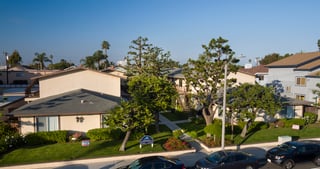
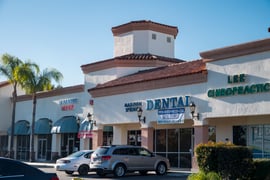
Property managers organize and carry out the recurring work of a rental property: leasing, collections, repairs, occupant communication and financial reporting. The management agreement defines their authority and which decisions require the owner’s approval.
An apartment owner may need help filling vacancies, coordinating turns and responding to residents. A commercial owner may need someone to follow lease dates, review common area expenses and coordinate work around a tenant’s business. The service should fit the building and the work it needs.
Leasing and renewals
Before marketing begins, the space should be ready and the advertised information should be accurate. Depending on the assignment, a manager may coordinate photographs and listings, answer inquiries, arrange showings and carry the application records into the executed lease. Establish who approves the terms.
For multifamily housing, written screening criteria and current requirements guide how an application is considered. Our California screening-fee guide explains screening-fee conditions, receipts, refunds and credit-report delivery, so owners and applicants can understand the process before money is collected. Consistent criteria can’t predict future payment or conduct.
Commercial leasing involves the proposed use, the tenant’s operations, financial information and negotiated lease terms. Divide the work in writing. The property manager and leasing broker should know who follows an approaching option or renewal and when the owner needs to decide.
Collections and the owner report
The monthly report should explain what was charged and collected, what remains unpaid, and how those figures connect to the rent roll and bank records. Ask about differences. An aged-balance report helps identify the overdue amounts that need follow-up.
Expenses also need context. For an expense over the budget, the explanation should identify the work, why the cost changed and whether an invoice remains unpaid. A low expense total can reflect unfinished maintenance. Keep those items visible when judging the property’s performance.
Common area maintenance (CAM) and other commercial expense recoveries require attention to the executed lease. The invoice, allocation method and applicable lease provision should support the charge and be available when an owner or tenant questions it. Confirm who prepares and explains the reconciliation.
Maintenance and service follow-through
Consider a resident reporting a plumbing leak. The manager needs enough information to assess urgency, arrange access and assign the appropriate work. The record should show what the vendor found, what was authorized and how completion was checked.
The resident needs an update when access is required or a repair date changes. If the finding changes the authorized cost or scope, the manager should explain the alternatives and bring the approval request to the owner before the added work proceeds. That coordination helps the repair move forward.
A commercial repair may also affect business hours, equipment or shared space. An air-conditioning request outside normal building hours needs the lease provision, equipment schedule and requested hours before someone quotes a charge or sends a vendor. Those details belong in the handoff.
Emergency coverage and routine communication
Coastline’s service schedule lists 24/7 emergency response. Ask which number takes an urgent call, how it reaches the assigned team and when the owner is contacted. The issue, access and available repair resources affect what can happen next.
Routine service needs a defined path too. Confirm how residents and commercial tenants submit requests, when they can expect an update and who follows unresolved work. An acknowledgment should lead to an explanation of the next action and any information needed to proceed.
Property type and location change the work
An apartment community has recurring resident service and unit turns. Retail work may involve parking, deliveries and customer access, while an office or warehouse brings different equipment, use and access needs. Ask how the team’s experience matches your property.
The address also matters. Lease administration, notices and rental requirements depend on the applicable jurisdiction and property facts, so use the actual address when confirming who covers the property and what they’ll handle. A general Southern California service description should lead to a property-specific proposal.
Compare fees beside the service scope
Read the included work, exclusions and approval thresholds beside the fee. Ask how leasing, renewals, inspections, construction coordination and additional projects are priced, including which are covered by the recurring management fee. Discuss who will manage the property, who supervises that person and how the owner can raise an unresolved issue.
Request a sample owner report and a completed work-order record from a comparable property, with private information removed. Use them to discuss the level of explanation you’ll receive and how the proposed team checks its work.
A useful monthly review should cover:
- Leasing: vacancies, current activity and upcoming lease decisions.
- Money: billed and collected amounts, overdue balances and budget differences.
- Property condition: inspections, open work and completed repairs.
- Owner decisions: the approval needed, alternatives, cost and timing.
Coastline’s service focus and history
Coastline’s services page describes commercial and multifamily management in Southern California, including leasing support, vendor supervision, inspections and monthly reporting. The proposal settles the scope. It identifies the included work, fees, exclusions, reporting expectations and owner spending approvals.
The company was founded by George Mayer in 1972, initially focused on institutional and private-party lending, according to its history. It expanded into development in 1985 and professional property management in 1989. Management became the primary focus in 2000.
Start with the problem the property needs solved
Describe the property and the first issue you need addressed, whether that’s a vacancy, delayed repairs, an unclear report or the burden of coordinating recurring work. That gives the first conversation a useful starting point.
To discuss management with Coastline, request a property management review and include the property type, city and main concern you’d like the conversation to address. Keep lease and financial records out of the inquiry form. Use the conversation to establish service fit and what would be needed for a written proposal.
Video discussions from 2024
These videos accompanied the October 2024 article. The screening discussion reflects that earlier period. For current screening-fee and credit-report requirements, check California Civil Code section 1950.6 and the screening-fee guide linked above.
The management-firm discussion is an older company comparison. Use current written proposals and the assigned team’s experience to evaluate the work your property needs.
California screening laws: historical discussion
Choosing a management firm: 2024 discussion
Customer service in management
What makes a property manager great





 Explore Our Services
 Our Company
 About Our CEO
 Explore Our Blog