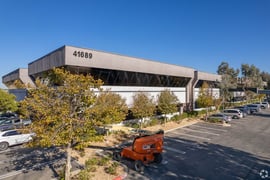
Connect leasing, maintenance, and reporting
Property management is a chain of connected responsibilities. Leasing affects accounting. Maintenance affects resident communication. Vendor work affects documentation and owner decisions. Coastline Equity's operating approach is designed to make those responsibilities visible through defined ownership, consistent workflows, and records that support follow-through.
The first operating plan should reflect the leases, property condition, open work, owner decisions, and people responsible for follow-through.
Begin with Context and Decision Rights
A management relationship starts with the property and the owner's objectives. Relevant context may include leases, resident or tenant records, financial statements, open receivables, security deposits, vendor contracts, inspections, warranties, insurance information, keys, and unresolved maintenance.
The management agreement then defines authority. It should identify routine delegated decisions, owner approval thresholds, emergency authority, included services, separate fees, and escalation paths. When a decision sits outside the manager's authority or requires specialized advice, it should be routed accordingly rather than treated as routine.
Coastline outlines its commercial and multifamily operating steps on the services page.
Property-Level Accountability
Accountability means that work has an identifiable owner, status, evidence, and next action. A maintenance request should not disappear into an inbox. A reporting question should not depend on one person's memory. A lease date should not be tracked only in an informal message.
Different work requires different evidence. A completed repair may have vendor notes, an invoice, and photos. A resident communication may have a dated record and delivery status. An owner-approved expense should preserve the approval and supporting scope. The record helps the team understand what happened and what remains open.
Communication and Status
Owners need routine reporting and clear notice of exceptions. Residents and tenants need understandable channels for payments, requests, access coordination, and urgent conditions. Vendors need scopes, site information, authorization, and a way to report completion.
Digital tools can centralize messages, documents, and status. Assign a person to review unanswered requests, confirm access, and route exceptions. The record should show the next action and the party waiting for it.
Financial Administration and Reporting
Property financial administration may include posting charges, recording receipts, processing approved invoices, maintaining deposit records, reconciling accounts, and preparing owner statements. The reporting format should reflect the property and management agreement.
A strong review connects summary figures to supporting activity. Owners should be able to identify unusual expenses, open balances, missing documents, and decisions that need attention. Coastline's services page describes monthly reports and budget-variance discussions.
Maintenance and Vendor Coordination
Maintenance begins with intake and triage. The team considers the reported condition, urgency, access, lease responsibility, authorization, and the type of vendor or professional required. Emergency matters follow an escalation path; routine matters can be scheduled and tracked through closure.
Vendor coordination includes defining the work, confirming authorization, communicating site details, retaining invoices and completion evidence, and identifying follow-up. A finding outside the manager’s role should be routed to the appropriate qualified professional or authority, with the open owner decision recorded.
Using Technology with Controls
Property management software can support online payments, maintenance intake, lease records, inspections, communications, accounting, and reports. Permissions should reflect job responsibilities, and sensitive data should be handled carefully. Material corrections should leave a reliable record.
Automation is most useful for consistent routing, reminders, and recordkeeping. The manager should still confirm the facts and approval for a material correction. The system should expose open exceptions and keep the record of the decision.
What Owners Should Ask
- Who is accountable for each major function?
- How are approvals, exceptions, and completed work documented?
- What information appears in routine reporting?
- How are urgent conditions separated from routine requests?
- How does the team transfer records at the start or end of management?
- Which matters are referred to legal, tax, insurance, or technical professionals?
Discuss your property with Coastline
To evaluate whether this operating approach fits your property and decision structure, contact Coastline Equity. Start by sharing the property type, city, approximate size, timing, and main concern. Coastline’s first conversation can clarify fit and the records needed for any later proposal.





 Explore Our Services
.webp?width=300&height=200&name=charles-forerunner-3fPXt37X6UQ-unsplash-1920w%20(1).webp) Our Company
Our Company About Our CEO
 Explore Our Blog