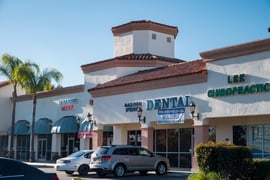
A business can lose income during a shutdown even when its building is undamaged. That was the problem commercial property owners and tenants confronted in 2020, and it explains why real estate groups pushed for a different approach to pandemic insurance.
A shutdown by itself doesn't establish insurance coverage. The policy's trigger, exclusions and endorsements need to be read against the circumstances of the loss. This article revisits the 2020 proposals and explains the interruption questions a property team should carry into its own planning.
Why pandemic losses challenged the insurance model
In its business interruption overview, the National Association of Insurance Commissioners explains that conventional coverage commonly depends on covered physical property damage. Many policies also contain virus exclusions. A pandemic can interrupt businesses across many locations at once, creating a concentration of losses that prompted debate about a federal backstop.
The distinction matters at a retail property. A tenant might have lost sales while the owner continued paying building expenses. Those are different financial losses, under potentially different policies. A certificate showing that a tenant carries insurance won't answer whether either loss is covered.
Insurance language also varies. The NAIC describes civil authority coverage that can require prohibited access, nearby physical damage and a covered cause of loss. The words “government shutdown” alone don't establish that those conditions were met.
What commercial real estate groups proposed in 2020
Nareit's October 29, 2020 announcement described the Business Continuity Coalition, a 27-member group representing real estate and other industries. It sought a public/private insurance program for government-ordered shutdowns, with the goal of helping employers maintain payroll and supply chains. At that point, the proposal was still being developed.
The legislative discussion included the Pandemic Risk Insurance Act of 2020, H.R. 7011 in the 116th Congress. Congress.gov records its introduction on May 26, 2020 and referral to the House Financial Services Committee. It proposed a Treasury reinsurance program in which participating insurers and the federal government would share qualifying pandemic losses. That bill remained at the introduced stage. It wasn't an enacted coverage program.
These were efforts to address a future shutdown. A coalition announcement or proposed bill couldn't tell an owner whether an existing policy would pay a COVID-19 claim.
Cost and participation were part of the problem
The contemporary October 29, 2020 Bisnow report by Christie Moffat quoted Marsh's Paul Foye on the cost of specialized pandemic coverage and HUB International's James Stuart on limited customer demand. Their observations concerned the market they were seeing then. They aren't current quotes, or evidence that a particular product is available to an owner today.
For a buyer, availability is only the beginning. A proposed solution also needs a clear payout trigger, understandable limits, an affordable premium and a workable claims process. A product that pays on a specified event can behave differently from one that reimburses documented losses. Ask for the actual form and a written explanation of how the proposed coverage would respond to the interruption you're concerned about.
Read the interruption provisions together
The NAIC's May 2020 guide to business income coverage distinguishes business interruption, extra expense, utility service interruption and contingent business interruption. Those names refer to different exposures. An endorsement may also have waiting periods, time limits or requirements concerning damage to another location.
Take the full policy to a licensed insurance professional. Identify the covered cause of loss, required damage or other trigger, affected premises, exclusions, waiting period and maximum payment period. Then examine which income and expenses enter the calculation, what records are required and when notice must be given.
The California Department of Insurance's Commercial Insurance Guide explains the value of reviewing existing policies with a commercial broker-agent, including limits, exclusions, endorsements and gaps. Its claims guidance also emphasizes timely notice and the duties in the insurance contract. For a disputed claim, preserve the insurer's written position and the relevant policy language. The initial response doesn't settle every possible dispute.
Prepare the property for an interruption
Consider a hypothetical shopping center where a shutdown affects storefront access, but contractors still need to reach essential equipment. The manager needs current emergency contacts, a way to communicate access instructions and someone responsible for coordinating permitted work. The owner needs a view of ongoing building expenses. Each tenant needs to manage its own operations and insurance questions.
Test those arrangements before they're needed. If the person who holds the vendor contacts is unavailable, can another authorized team member retrieve them? If the office closes, can the team still reach leases, policy documents and maintenance records? If several tenants ask the same question, who confirms the facts and communicates a consistent answer?
Keep a dated record of the interruption: orders affecting the property, access restrictions, tenant communications, expenses and changes in income. Preserve the underlying invoices and accounting records. These materials can support a review, but the policy and circumstances still determine the coverage question. Don't promise reimbursement or a rent concession while collecting the facts.
Use the history in the next property conversation
The useful lesson from 2020 is to identify the interruption exposure before assuming insurance will address it. Discuss the proposed response with the broker, the property team and the people authorized to make financial or contractual decisions. Make clear which tasks can proceed during a closure and which decisions need an owner.
For the separate job of organizing policy documents and renewal inputs, see Coastline's property insurance guide. Owners who need help coordinating property operations can request a property management review. Coverage questions belong with the actual policy and insurance professionals. The 2020 proposals discussed here don't establish today's product availability or a payment entitlement.




 Explore Our Services
.webp?width=300&height=200&name=charles-forerunner-3fPXt37X6UQ-unsplash-1920w%20(1).webp) Our Company
Our Company About Our CEO
 Explore Our Blog