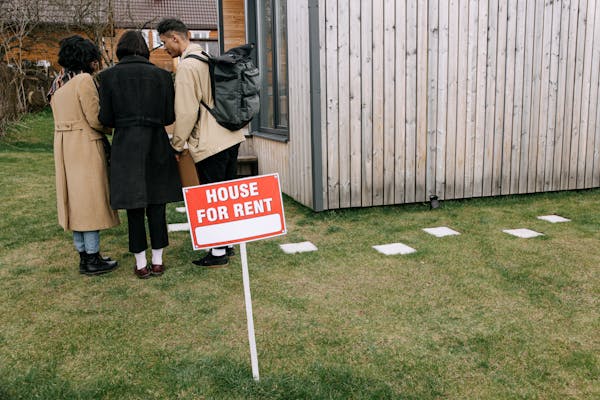
Self-managing a California rental means taking responsibility for leasing, payments, repairs, resident communication and property records. Useful tools can support that work, but the owner still has to understand the property’s requirements, respond to problems and decide when specialist help is needed.
Consider a hypothetical owner of a four-unit building preparing one vacant apartment while the other three remain occupied. The owner needs an accurate listing and a consistent application process, while also collecting rent and responding to a reported plumbing leak. A workable approach has to cover both the upcoming move-in and the residents already living there.
1. Identify the rules that apply to this property
Start with the property address, unit type, lease and any housing-program requirements. Statewide guidance alone may not answer a local rent, notice, registration or leasing question. Use the relevant city or county’s official housing information alongside current state sources, and record the date of the material you rely on.
Keep the executed lease, amendments, required disclosures, notices and delivery records together. A downloaded form is a starting document to evaluate, not proof that it fits the property or the situation. Resolve uncertain lease or notice requirements before using a form. A landlord association can help identify resources, but check a consequential instruction against its actual source.
2. Market the apartment you can actually deliver
Prepare the apartment before promising an availability date. Describe the rent, layout, included features, parking, utilities and application process accurately. Use clear current photos. A video or virtual tour can help explain the layout, especially for a prospect at a distance, but it is an option to evaluate rather than a requirement for every listing.
Choose listing channels by where suitable rental inquiries arrive and how you will respond. Record inquiries, tours and applications so you can see where interest stops. More exposure does not guarantee a lease. Avoid unsupported labels such as “affordable” and preferences about the people who should live there. California’s Civil Rights Department source-of-income guidance specifically prohibits advertisements excluding applicants because they use rental assistance.
3. Use lawful, consistent screening criteria
Write the criteria and application process before reviewing applicants. Collect the information needed to apply those criteria consistently, protect applicant records and verify relevant income or rental-history information. A screening service supplies information; its report does not determine whether your criteria or decision comply with the rules that apply.
Do not turn a rule of thumb into a universal income requirement. For an applicant using a housing subsidy, CRD explains that a financial eligibility standard must be based on the applicant’s portion of rent. If you plan to check that applicant’s credit history, offer a reasonable opportunity to provide lawful, verifiable evidence of ability to pay their share. If provided, consider that evidence instead of the credit report.
Questions about a preferred move-in date can help arrange the process. Questions unrelated to lawful criteria can create an unnecessary problem. Confirm the applicable screening-fee, disclosure and adverse-action requirements before collecting a fee or using a consumer report. Keep the basis and required communication for a decision with the application file.
4. Match rent payments to the lease and ledger
Tell residents when rent is due, which payment methods are available and how a payment will be recorded. An online payment tool can be convenient, but it should support the collection arrangements you are permitted to use. Under California Civil Code §1947.3, rent and security-deposit payments generally need at least one permitted method that is neither cash nor electronic funds transfer. The statute provides a limited dishonored-payment exception and prohibits a fee for paying by check.
Distinguish a payment initiated from a payment received or returned. Match the ledger to the lease, receipts, credits and bank activity before telling a resident a balance is wrong. For the four-unit example, one vacant apartment means one fewer recurring rent payment; a payment delay in an occupied apartment is a separate issue. The rent-roll and ledger guide explains what to reconcile.
5. Arrange maintenance and lawful access
Have a clear way to receive a repair report, assess what needs attention and contact the appropriate trade. Keep the reported condition, date, location, access arrangement, assigned work and result together. For the hypothetical leak, ask the contractor for findings and what work is needed, then check the result after the repair. An invoice alone does not explain whether the reported condition is resolved.
A recurring inspection calendar does not create a right to enter an occupied home. Civil Code §1954 limits the purposes and conditions for entry. Ordinary entry generally requires reasonable written notice stating the date, approximate time and purpose, during normal business hours. Twenty-four hours is a presumption of reasonable notice, not permission for any visit. Emergency, consent and other statutory exceptions have their own conditions; entry cannot be abused or used to harass a resident.
Handle only work within your competence and the applicable requirements. A tutorial is not a substitute for qualified electrical, gas, structural or other specialist work. Before hiring a contractor, use CSLB’s contractor-selection guidance to check the license and compare the actual scope. The rental property damage-prevention guide gives further physical-maintenance topics to consider.
6. Make resident communication usable
At move-in, explain the payment path, maintenance reporting, urgent contact arrangements, access devices and relevant property instructions. Keep the instructions available in a form residents can use. Say how routine messages differ from a problem requiring urgent attention; an unattended inbox should not appear to be an emergency response service.
When work is pending, explain the current status, what remains open and when you expect the next information. For the four-unit building’s plumbing work, confirm who is arranging access and which residents may be affected. Keep important communication with the repair record so you do not have to reconstruct the sequence from scattered messages.
7. Choose tools that fit the work and budget
A spreadsheet, calendar and organized document folder may cover some tasks. A rental platform may connect more of them. Compare the features you need, transaction charges, subscription cost, support, record export and the residents’ experience before choosing. Test a representative payment, repair request and document retrieval rather than relying on a product demonstration.
For example, TenantCloud’s current pricing page presents paid plans and a trial. A trial does not establish a permanent free plan. Check current terms and which features are included before moving records. Our property technology evaluation guide describes how to test a new capability. No single application removes the owner’s responsibility for the underlying work.
8. Keep tax records throughout the year
Record income and spending with the date, property, purpose and supporting document. Separate deposits, repairs, improvements, financing and personal spending so the information can be reviewed accurately. Keep relevant mileage or travel records when an expense may have a rental purpose; labeling a trip “property management” does not establish that it is deductible.
IRS Publication 527 explains residential rental income, expenses and depreciation, including differences between repairs and improvements and limits involving personal use. Use the edition and rules appropriate to the return being prepared. Give your tax preparer the records and remaining questions early. Professional help can address the treatment of an expense; it does not promise that an audit will be avoided.
9. Address a dispute using the actual record
If a payment, repair or lease issue is disputed, identify the event and compare the accounts before responding. Keep the lease, ledger, messages and repair evidence available. Explain what you understand, correct a record when needed and state the next action. Describe the issue without labeling the resident a “problem tenant.”
A conversation, payment reminder and formal notice have different purposes. Do not treat a software reminder as a legal notice or improvise a termination pathway. If a dispute may require a formal notice or court process, establish the requirements for the actual property and circumstances before acting. Retain the relevant documents and delivery evidence.
10. Plan property improvements from observed needs
Keep a forward view of vacancy, recurring repairs, equipment condition and larger projects. Estimate costs and funding alongside ongoing expenses. For the hypothetical four-unit building, compare the work needed for the vacancy with the occupied units’ plumbing concern so one project does not consume funds required for the other.
A more efficient appliance, lower-flow fixture, better workspace or connected lock may be useful when it addresses an actual need. Check installation, access, maintenance, operating cost and compatibility before buying. Verify any rebate with the current utility program before counting it in the budget. A feature’s popularity or an energy estimate does not establish a rent increase, a saving or a return for your property.
Questions self-managing owners ask
Is there one best free property management tool?
There is no single answer for every property. Start with the tasks you need to cover, then compare current terms and limitations. A simple record system still needs reliable use and backups. A trial or free download is not proof that an ongoing service is free or suitable.
Can a lease form prevent legal problems?
A form can organize information, but it cannot establish the rules for every property or prevent a dispute. Check the lease, local requirements and the action being considered. Keep accurate records and resolve a material uncertainty before relying on the form.
Does every rental listing need a virtual tour?
No. Clear current photos and accurate information are a useful starting point. Evaluate whether a tour would help prospects understand this property and whether its cost and upkeep make sense. Keep any tour consistent with the apartment and features you will deliver.
Make the next week’s work manageable
For the four-unit owner, the immediate work is an accurate vacancy listing, a consistent application process, current payment records and a repair with clear access and follow-up. Choose the work you can handle reliably and arrange help for what you cannot. Keep a calendar of the next actions and the records each one needs. That gives self-management a practical starting point without promising a stress-free investment or a particular return.