Value-Add Multifamily Management
Review how leasing, turns, maintenance, resident communication, and asset planning shape long-term multifamily value.
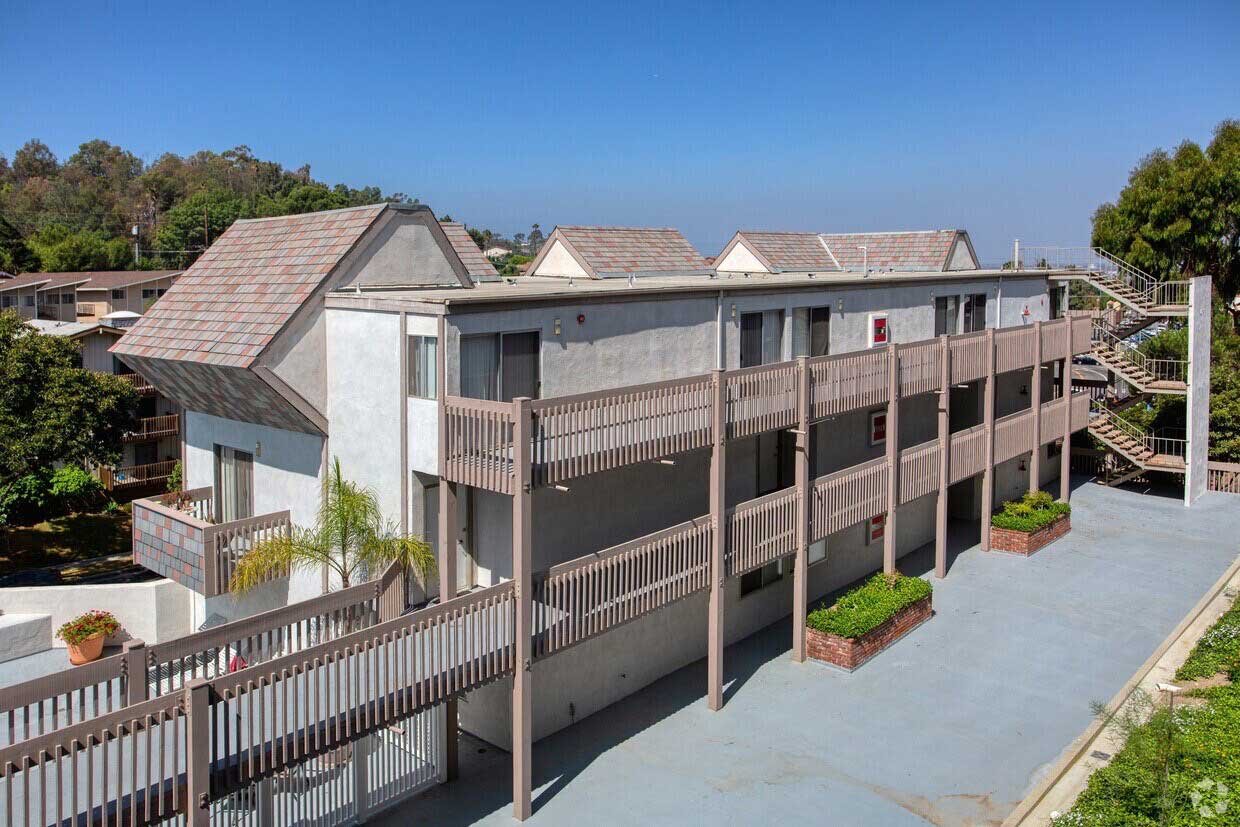
For multifamily owners in South Bay
Coastline Equity provides South Bay multifamily property management for 20 to 150+ unit apartment buildings across Torrance, Hawthorne, Gardena, Redondo Beach, Lomita, Carson, and Harbor neighborhoods, anchored by our Gardena headquarters and structured AppFolio financial controls.
The right property manager should help you see what is happening, what needs attention, and what decisions will protect the property's long-term value.
Best fit: Designed for south bay apartment owners, family offices, and partnerships holding 20 to 150+ unit buildings who need clear financial statements and disciplined local maintenance oversight.
Request a South Bay Multifamily ConsultationLocal market
South Bay multifamily properties require matching municipal boundary checks (AB 1482 vs. City of LA RSO in San Pedro or LBMC 8.99 in Long Beach) paired with proactive coastal waterproofing, SB 721 deck tracking, and structured unit-turn planning.
Management scope
Monthly rent roll and resident ledger reconciliations | Standardized make-ready turn workflows | Parcel jurisdiction & AB 1482/RSO notice prep for counsel review | SB 721 deck inspection coordination and three-bid vendor controls | 16+ unit onsite manager recordkeeping alignment
How we work
Plan: Review signed leases, active resident ledgers, unit-turn logs, and open maintenance priorities. Execute: Track pre-move-out turn scopes, enforce owner-approved vendor bid thresholds, and verify AppFolio billing codes monthly. Outcome: Fewer billing leaks, documented regulatory records, and clear owner statements.
Monthly Reporting
Monthly accrual or cash owner financial package with budget variance commentary, reconciled rent roll, aged receivables, general ledger detail, and paid vendor invoice backup.
Performance visibility
Unit-turn cycle days against approved scope | Economic vs. physical occupancy spread | Make-ready cost variance | Collection rate by reporting cut-off | Open work-order aging, photo proof, and lease renewal retention.
Operating apartment portfolios across the South Bay demands hyper-local familiarity with municipal boundaries that sit blocks apart. A 30-unit courtyard complex in Torrance, Gardena, Redondo Beach, Lomita, Hawthorne, or Carson operates under different local rules than a sister building across Western Avenue in San Pedro (City of Los Angeles) or east toward Long Beach.
At Coastline Equity, working from our Gardena South Bay office minutes from Los Angeles and Orange County corridors, the operating standard starts with legible records in AppFolio. Every signed lease, billing rule, work order, bid sheet, and monthly financial report connects back to source documentation that an owner can inspect cleanly.
One of the costliest mistakes out-of-area managers make in the South Bay is applying the wrong jurisdictional checklist. Independent South Bay municipalities including Torrance, Hawthorne, Gardena, Redondo Beach, and Lomita rely primarily on statewide California AB 1482 rules (alongside local items such as Gardena rent mediation procedures) when statutory criteria apply.
Cross into San Pedro or Harbor City, however, and parcels inside the City of Los Angeles trigger LAHD Rent Stabilization Ordinance (RSO), SCEP systematic code enforcement, and city notice filings. Further east, Long Beach enforces local Just Cause under LBMC Chapter 8.99 and relocation assistance protocols alongside PRHIP proactive inspections. Confirm exact parcel jurisdiction and legal compliance with qualified California counsel before serving notices.
From our South Bay headquarters at 1411 W. 190th St., Suite 225 in Gardena, our asset managers inspect properties across Hawthorne Boulevard, Pacific Coast Highway, Crenshaw, and coastal Redondo and San Pedro corridors regularly. Mid-century tuck-under parking garages, galvanized piping risers, roof ponding, and coastal marine-layer wear on exterior stairs and wood decks benefit directly from documented SB 721 inspection tracking and competitive bidding above owner approval limits.
In coastal zones from Redondo Beach and Torrance Riviera corridors to Point Fermin in San Pedro, salt humidity breaks down wrought-iron guardrails, stair landings, exterior stucco caulking, and garage doors far faster than inland submarkets. Inland South Bay assets in Gardena, Hawthorne, Carson, and Lomita often center on larger 20-to-120-unit garden courtyards where pool equipment, boiler loops, common laundry leases, and carport lighting determine resident retention and utility cost stability.
Revenue leakage on 20 to 150+ unit buildings usually shows up in billing details rather than headline asking rent. During onboarding and monthly close, we compare every executed lease, renewal addendum, pet addendum, parking stall assignment, and RUBS utility clause against AppFolio recurring charge codes so expired move-in concessions, unbilled garage spaces, and missed utility pass-throughs are caught systematically.
Unit turns require advance coordination rather than waiting until keys drop at the office. Walking occupied units prior to move-out, locking down repeatable paint, flooring, appliance, and plumbing scopes, pre-ordering finish materials, and tracking daily vendor milestones keeps standard turns organized toward a 10-to-14-day planning target instead of drifting across a month of avoidable vacancy.
Financial packages should be auditable down to individual vendor invoices. Owners receive monthly accrual or cash statements paired with budget variance commentary, reconciled rent rolls, aged receivables, general ledger detail, bank reconciliations, and before-and-after maintenance photo backup. Non-emergency capital or repair projects above your written approval threshold follow competitive three-bid workflows.
Changing property managers on an occupied South Bay apartment building fails most often when records transfer informally. During an onboarding handoff, every active tenant folder should be reconciled line by line against live AppFolio ledgers before automated notices, late-fee runs, or bank sweeps begin. That means matching executed original leases, renewal addenda, pet agreements, garage or carport contracts, security deposit ledgers, and utility reimbursement riders directly against what residents are actually billed each month.
Common gaps discovered during Southern California takeovers include expired move-in concessions that kept discounting rent indefinitely, unbilled storage or second-vehicle spaces, water/trash RUBS charges that stopped updating when master utility bills climbed, and missing statutory notices inside physical files that were never digitized. Separating clean administrative facts from legal interpretations gives ownership an immediate punch list of what can be corrected administratively and which items should go straight to qualified California counsel.
Strong apartment retention in South Bay starts at application intake rather than at delinquency escalation. Written objective screening criteria covering verified income, credit standing, rental payment history, and lawful identity verification keep leasing fair, consistent, and compliant with California civil codes and fair-housing standards. At move-out, itemized security deposit dispositions backed by dated move-in vs. move-out inspection photos and paid vendor invoices protect ownership against preventable small-claims disputes.
Once an apartment community reaches 16 or more residential units in California, state onsite resident manager requirements come into play. Owners should have qualified California employment counsel confirm written employment agreements, daily timekeeping workflows, Wage Order 5 lodging-credit caps, and payroll tax treatment before hiring or retaining live-in staff. Day-to-day property management then enforces clear timecard submission cutoffs, written maintenance boundaries, and work-order completion documentation matching counsel's written policies.
Capital spending discipline matters equally across South Bay courtyard and mid-rise communities. Routine repairs stay bounded under clear written owner authorization limits requiring technician arrival notes and before-and-after photo evidence in AppFolio prior to invoice approval. Major roofing, asphalt paving, exterior stucco painting, main-line plumbing repipes, and SB 721 waterproofing projects require written specifications, verified vendor certificates of insurance, competitive three-bid comparisons, and explicit owner sign-off prior to dispatch.
Monthly owner packets then pull every operational thread into one clear closeout package: accrual or cash income statements with written budget-to-actual variance notes, general ledger detail, bank reconciliations, reconciled rent rolls, aged accounts receivable escalation logs, open work-order aging, and copies of paid vendor invoices. Nothing stays buried inside vague miscellaneous repair totals or summary PDF sheets.
Multifamily buildings with three or more units and wood-supported elevated decks, stairs, balconies, or walkways in South Bay require systematic Health and Safety Code section 17973 inspection tracking. Coastline keeps the independent licensed architect or structural engineer writing the inspection report strictly separate from the licensed contractors bidding the remediation scope. When waterproofing repairs, flashing replacements, or structural sistering work are required, ownership reviews three written competitive bids, clear hazardous-condition timelines, and before-and-after repair documentation linked inside AppFolio so lender and insurance underwriting files stay complete.
Rising Southern California municipal water, sewer, and commercial trash hauling bills quickly compress property net operating income when resident billing formulas go unreviewed. We verify master-metered vs. sub-metered charges, audit ratio utility billing (RUBS) configurations against lease disclosures, and flag unexpected consumption spikes caused by running toilets or irrigation leaks within the monthly close cycle. Alongside utility recovery, maintaining documented water-heater bracing, roof drainage cleanouts, and electrical panel clearance logs prepares ownership for annual property insurance renewals and lender physical inspections with organized three-to-five-year capital reserve schedules.
Consistent collection discipline across a 20 to 150+ unit South Bay community depends on fair, repeatable administration rather than ad-hoc reminders. Resident ledgers are reconciled at rent due dates, late payment reminders and ledger statements follow uniform written workflows, and any statutory pay-or-quit or covenant notice preparation is checked against local municipal ordinances and routed through qualified California landlord-tenant counsel whenever legal interpretation is required. Every resident interaction, maintenance access notice, and signed addendum stays archived by unit inside AppFolio for immediate owner or legal-counsel reference.
Routine repairs on 20 to 150+ unit South Bay buildings frequently generate hidden invoice creep when maintenance technicians dispatch without defined authorization ceilings. Coastline pairs clear not-to-exceed spending limits with mandatory arrival notes, parts invoices, and clear before-and-after photography on completed AppFolio work orders. Master key inventory controls, vendor certificate-of-insurance expirations, warranty start dates on replacement appliances, and completed smoke or carbon-monoxide detector compliance logs during every apartment turnover give ownership clean, defensible records for insurance carriers, lenders, and municipal code inspectors, eliminating rushed end-of-year document chases when refinancing or portfolio audits begin.
Headline management fee percentages rarely tell the full story on mid-size and larger Southern California apartment buildings. Compare how proposals treat base rent collection vs. gross scheduled rent, vendor invoice markups, routine renewal charges, and monthly reporting backup alongside our California property management fee breakdown before committing to an agreement.
| Operating Area | Risk in Summary Contracts | Standard to Confirm in Writing |
|---|---|---|
| Billing Base & Minimums | Percentage billed on scheduled gross rent rather than collected cash receipts. | Confirm whether management fees apply strictly to collected rent, with any minimum fee stated upfront. |
| Maintenance & Vendor Markups | Undisclosed percentage markups on third-party invoices or internal labor supervision fees. | Require written disclosure of internal hourly rates, trip minimums, and competitive multi-bid repair thresholds. |
| Leasing & Renewal Triggers | Flat renewal charges billed whenever an existing resident extends or shifts month to month. | Separate new-lease placement fees from renewal charges and confirm exact billing triggers in writing. |
| Ledger & Accounting Documentation | High-level cash summaries without general ledger detail, invoice copies, or work-order photos. | Confirm monthly delivery of rent roll comparisons, aged delinquencies, GL detail, and invoice documentation. |
Renting across the South Bay is anchored by diverse employment corridors including El Segundo aerospace campuses, Harbor-UCLA and Torrance Memorial medical centers, Port of Los Angeles logistics, and LAX airport operations. Aligning renewal timing, transparent parking stall billing, pet-screening policies, and fast digital portal maintenance intake captures steady market demand without resorting to vague property management fee markups.
When South Bay owners hold mixed buildings across multiple neighboring cities, one AppFolio reporting standard eliminates guesswork. You see uniform monthly general-ledger backup, verified vendor insurance certificates, organized three-bid repair files, and jurisdiction-tagged compliance reminders whether a property sits in Torrance, Gardena, Redondo Beach, San Pedro, or Hawthorne.
South Bay apartment investors also face acute utility and insurance pressures across pre-1980 buildings. Master-metered water, trash, and sewer bills in Los Angeles County cities have escalated rapidly, requiring routine meter reads, leak isolation inside common plumbing lines, and counsel-reviewed RUBS utility addenda for new leases where legally permitted. Simultaneously, property casualty underwriters scrutinize panel brands, roof condition, water-heater strapping, and SB 721 compliance records prior to annual policy renewals.
Operating just minutes away in Gardena lets Coastline Equity inspect active capital jobs personally, hold licensed South Bay trades accountable to written schedules, and deliver clear budget-to-actual monthly reports that give family trusts and private partnerships real confidence in building performance.
Successful South Bay onboarding also prioritizes resident communication clarity from week one. We mail written portal and emergency-dispatch instructions, validate autopay enrollments cleanly, reconcile open security-deposit interest or pet-deposit ledger lines, and schedule an initial exterior walkthrough covering roofs, trash enclosures, laundry equipment, mailrooms, and stair landings. That early groundwork turns disorganized takeovers into stable operations within the first ninety days across multi-building South Bay holdings, giving ownership predictable general-ledger statements, cleaner unit-turn completion schedules across Torrance, Redondo Beach, Gardena, Hawthorne, and San Pedro, and transparent three-bid capital reserve tracking prior to major plumbing, roofing, or exterior deck investments, eliminating billing leakage, unverified vendor invoices, and recurring maintenance blind spots across coastal and inland Los Angeles County properties.
Bring your current rent roll, management agreement, and open maintenance log to a consultation with our team. Request a South Bay multifamily consultation to compare scope, fee alignment, and reporting priorities cleanly.
Owner decisions
Review how leasing, turns, maintenance, resident communication, and asset planning shape long-term multifamily value.
Use this guide to evaluate whether a manager has the reporting, communication, and operational standards your asset needs.
A practical risk-control resource for owners who need clearer maintenance and vendor accountability.
A practical checklist for reviewing reporting, turns, maintenance, resident communication, and accountability.
Owner resources
2026 California SB 721 balcony inspection and South Bay multifamily compliance guide.
South Bay owner guide covering lease records, maintenance visibility, and financial reporting.
Owner questions
Independent South Bay cities such as Torrance, Hawthorne, Gardena, Redondo Beach, and Lomita rely primarily on California AB 1482 (alongside local items like Gardena mediation notices), whereas San Pedro and Harbor City sit inside City of Los Angeles LAHD RSO and SCEP rules. Confirm parcel rules with California counsel.
Our South Bay office is located in Gardena at 1411 W. 190th St., Suite 225, Gardena, CA 90248, supporting regular site walkthroughs across Torrance, Hawthorne, Gardena, Redondo Beach, Lomita, Carson, and Harbor neighborhoods.
We conduct pre-move-out walkthroughs, confirm repeatable turn scopes, coordinate material ordering before possession returns, and track daily trade execution toward a clear turn timeline.
We separate independent structural engineering inspections from competitive repair contractor bidding so owners receive objective diagnoses, verifiable permits, and transparent repair pricing.
Owners receive monthly income statements with variance explanations, rent roll to resident ledger comparisons, delinquency aging, general ledger detail, and paid invoice copies.
Coastline Equity provides dedicated property management across South Bay and Southern California.
Nearby markets
Start here
Bring your South Bay rent roll, management contract, and open work-order summary to compare operating scope and reporting standards.
Discuss Your South Bay Portfolio