
Commercial property management services should have a written scope covering tenant communication, building maintenance, lease administration and financial reporting. For a retail center or office building, compare the proposed work with the actual leases, equipment and owner decisions. The useful question is who will do each job, what authority they have and what evidence you will receive.
Retail and office properties can have different leases within the same building. Shared areas and systems add work beyond individual suites. A delayed HVAC repair, lighting problem or blocked access can interrupt a tenant’s business. A service proposal should explain how those conditions are reported, assigned and followed through to a checked result.
Start with the property and the proposed scope
Give a prospective manager a current rent roll, executed leases and amendments, recent financial reports, service contracts and a list of open work. Identify the common areas, tenant-controlled spaces and building systems. Use redacted sample records during an initial comparison, then agree on a secure way to provide property records if the discussion advances.
Ask what the management fee includes and which tasks require separate charges or outside providers. Leasing, construction oversight and specialist work may have different scopes. Compare the management agreement’s approval limits, emergency provisions, reporting obligations and exclusions. A general service description does not establish the obligations for your property.
Coastline’s current services page describes commercial leasing, vendor coordination, reporting and CAM expense review. Use the property-specific proposal to confirm the included work, fees, exclusions and owner approval thresholds.
Define how tenant requests and building maintenance will be handled
Separate acknowledgment, action and completion
Ask where tenants submit a request, who reviews it and how urgent conditions are escalated. The record should distinguish the time the request arrived, the response, the authorized work, the scheduled visit and the result. A prompt acknowledgment is useful, but it does not show that the problem was resolved.
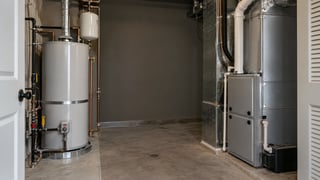
Confirm arrangements for HVAC, lighting, landscaping, safety systems and regular property walkthroughs. A maintenance calendar should identify the equipment or area, task, responsible provider, planned date and follow-up. Set the frequency from the building’s needs, equipment guidance and applicable requirements rather than applying one schedule to every property.
Check responsibilities before authorizing a repair
For a hypothetical office example, a tenant reports a warm suite. The lease might assign routine HVAC servicing to the tenant while assigning particular equipment repairs to the owner. The manager needs the relevant lease language, service history and diagnosis before assigning a charge. The proposal should explain who coordinates access, obtains authorization and reports temporary measures and unresolved work.
For retail space, a damaged sign or an access problem may affect how customers find or enter the business. Establish who can approve work and how building, tenant and vendor contacts will communicate. Keep records of reported conditions and actions; documentation alone does not establish legal compliance or eliminate liability.
The approved repair reporting guide shows the evidence to request after work is authorized: the visit schedule, observed result and remaining work. Clear follow-up helps an owner assess the service without assuming that a completed work order proves every issue is resolved.
Keep lease dates and financial responsibilities connected
Ask for a lease calendar tied to the executed lease and amendments. It should identify expiration dates, renewal options, notice requirements and rent changes, with a responsible reviewer and enough time to check the record before action. A reminder is a prompt to review the actual obligation, not authority to issue a notice or change rent.
For CAM charges, ask how expenses are recorded and how the proposed manager checks each tenant’s recoverable share against the lease. Review estimates, reconciliations, exclusions, supporting invoices and any applicable limits. A building expense and a charge recoverable from a tenant are different entries to substantiate.
For a hypothetical retail lease with percentage rent, ask where the required sales reports, calculation terms and reporting dates will be kept. Other tenants may have fixed increases or different expense arrangements. Do not apply one tenant’s terms to the entire center. The actual lease governs whether percentage rent or a particular cost recovery applies.
Clarify who reviews lease administration questions and who handles disputed interpretations or specialist legal work. A management proposal should identify that boundary. Ask whether specialist legal work is included or requires a separate engagement.
Ask for reports that show the work and the decisions
Request a redacted reporting sample and trace a few entries to their supporting records. Can you connect rent billed and collected to the ledger? Can you identify past-due amounts, open repairs and upcoming lease dates? A summary should let you see both completed work and items waiting for a tenant, vendor, manager or owner.
The commercial owner scorecard provides a way to evaluate those records. For a broader operating framework and a sample decision report, use the commercial property operating guide. This service comparison establishes what you want a prospective manager to perform and report.
For an owner decision, expect the condition, available options, cost assumptions, proposed next action and the person responsible after approval. Keep leasing authority, spending thresholds and major project decisions explicit. Choosing a manager delegates agreed work while leaving the owner’s reserved decisions and oversight visible.
Decide whether the proposed service fits your workload
Hiring depends on the work required, your available time, local presence and expertise. One well-maintained building with a small tenant base may need a different service arrangement from several properties with open repairs and approaching renewals. Count the work you currently perform, where follow-up stalls and what requires someone onsite.
Compare prospective managers using the same property facts. Ask each to explain a sample repair from request through closeout and a lease date from record review through the next action. Confirm who you will contact, how exceptions reach the owner and how records will be delivered if the relationship ends. Assess the proposed fee alongside the work included and the tasks you will retain.
Maintenance quality and tenant communication belong in that assessment, but neither guarantees a renewal or a particular vacancy result. A tenant’s decision can also depend on its business, space requirements and lease terms. Evaluate the actual service records instead of relying on a promise that quick responses will save months of downtime.
Bring the unresolved scope questions to the next conversation
Before choosing a service, identify the work you want delegated, the decisions you will retain and the records you expect to review. List gaps such as an unclear HVAC responsibility, missing CAM support or an approaching option date. Those details give a prospective manager a concrete scope to discuss.
Retail and office owners considering management support can request a Property Management Performance Review with Coastline. Share the property type, location, timing and the issue you want to address. Use the conversation to clarify service fit and agree on the next step.





.webp?width=300&height=200&name=charles-forerunner-3fPXt37X6UQ-unsplash-1920w%20(1).webp)