Rain readiness resources / The owner’s storm-readiness report
Southern California · Commercial and multifamily owners
A readiness report should let you see why the property is ready, which work remains open, and who owns the next action.
Ask for current conditions, known history, repair decisions, vendor acceptance, dates, and completion evidence. A short report works when every open item has a clear next step.
For a preparation plan, start with our Southern California property-readiness guide. Owners of office, retail, and industrial properties can also use the commercial storm-preparation guide.
Put the plan in writing
Use the editable Word files to keep the property record current, or the PDF versions for a printed review.
Need professional assistance preparing your property?
Request a Management Performance ReviewOn this page:
The owner storm-readiness report
A useful report can fit on one page when the information is organized around decisions.
| Report field | What it should contain | Decision it supports |
|---|---|---|
| Property and location | Building, area, system, exact location, property type, and occupancy context. | Which property or part of the property needs attention? |
| Current condition | Observed facts, dated photos, prior incidents, and any known change since the last review. | What is happening now? |
| Risk and consequence | Potential effect on people, access, equipment, tenant operations, occupied space, or additional damage. | How quickly does the owner need to decide? |
| Recommendation and cost | Proposed scope, estimate or options, qualified input, and the reason for the recommendation. | What work or evaluation should the owner approve? |
| Decision and authority | Approval, deferral, decline, requested revision, unanswered status, and decision date. | What is authorized, and what remains open? |
| Vendor and schedule | Responsible party, accepted scope, target date, access, dependencies, and next update. | Who is doing what, and when? |
| Completed work and remaining repairs | Completion evidence, current verification, warranty or follow-up, and any condition still requiring monitoring. | Can the item be closed, or does the plan continue? |
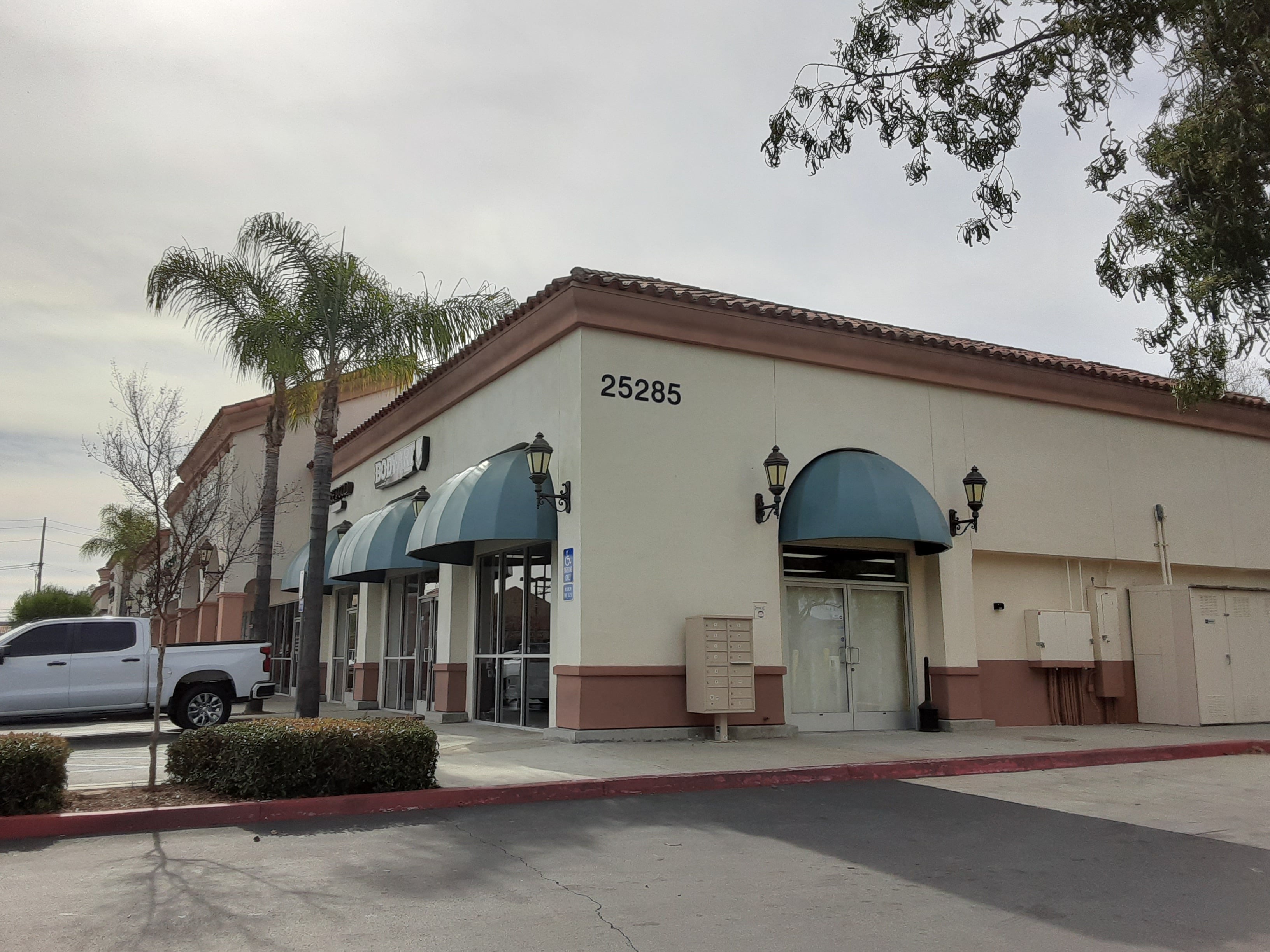
PME's Property Inspection standard is useful here because it keeps the report tied to observable conditions and accountable follow-through.
Five questions to ask before the rain
- What has changed since the last inspection? The answer should identify new leaks, water marks, ponding, blocked drainage, access problems, equipment changes, or other observed conditions.
- Which open items could become urgent during heavy rain? The report should rank them by consequence and response time, not by the order in which messages arrived.
- What has been approved, scheduled, completed, or deferred? Each status needs evidence and a date. If the status is missing, assign someone to verify it.
- Who is responsible for the next action? Name the manager, vendor, owner, tenant contact, or specialist who must produce the next answer.
- What will prove closure? State the completed scope, current field check, and any test or report needed to show the condition performs as intended. An invoice or vendor completion note alone does not establish that the repair worked.
If the report cannot answer one of these questions, ask the manager to verify the missing information and give you a follow-up date.
Property type changes the plan
Commercial and multifamily properties share physical systems, but the operating decisions differ.
| Decision area | Commercial property | Multifamily property |
|---|---|---|
| Access | Loading areas, gates, roof access, service rooms, tenant hours, and business continuity. | Occupied units, vacant units, common areas, garages, balconies, resident access, and emergency entry. |
| Communication | Tenant contacts, operating restrictions, deliveries, critical equipment, and reopening decisions. | Resident reporting, safety direction, parking or access changes, unit entry, and escalation. |
| Evidence | Photos, system checks, tenant impacts, vendor reports, and continuity-related decisions. | Unit or common-area condition, resident communication, response records, and follow-up. |
| Owner decision | Balance cost, access, tenant operations, equipment exposure, and the time available before the event. | Balance cost, resident impact, access, response speed, and conditions that require prompt professional review. |
The report should show the property-specific consequence. A generic checklist cannot answer whether a loading area, occupied unit, garage, pump, or roof access point is the next priority.
Before the rain
Review earlier leaks and unfinished work before winter. When a current forecast shows rain approaching, confirm the remaining property checks and response arrangements.
- Review prior leaks, flooding, drainage complaints, pump service, roof work, envelope findings, access issues, and open owner decisions.
- Confirm the highest-risk properties and the conditions that could create a short response window.
- Request the current owner report with a named next action for every open field.
- Confirm vendors, access, commercial tenant contacts, resident communication needs, and after-hours routing.
- Use current National Weather Service information to enter the 72-hour protocol when the event requires it.
- After the event, record what changed, what was completed, and what remains exposed.
The 72-hour storm protocol provides the event sequence. Before that work begins, the owner’s report should identify the repairs still open and any decisions management needs.
Questions owners ask
What should a property manager show an owner before a major storm?
The report should show current conditions, known history, open work, vendor and schedule status, owner decisions, tenant or access impacts, and closure evidence.
How often should an owner receive a storm-readiness report?
Use a seasonal review before the main storm period and an event-specific update when current forecasts or property conditions create a new decision.
What is the difference between an inspection and a readiness report?
An inspection records what was observed. A readiness report explains which findings need work, what has been approved and scheduled, and what remains unfinished.
Should every property receive the same storm plan?
Every property should have a review, but the depth and order should follow its property type, history, systems, access, occupancy, and known exposure.
What does a blank field in the report mean?
It means the record needs an answer. The manager should identify who will verify it, when, and what evidence will close the item.
Ask for the report behind the readiness claim
If your report says the property is ready without showing what was inspected or repaired, bring it to a Property Management Performance Review.
Sources

About the Author: Anthony A. Luna
Published · Last Updated
Anthony A. Luna is the Owner and CEO of Coastline Equity and author of Property Management Excellence. A licensed California real estate broker, he leads commercial and multifamily management operations across Southern California.
Services & Regional Coverage
Let's elevate the property management industry together. Share this blog with fellow investors.


More about Coastline Equity
-
Property Management Services
 Explore Our Services
Our team will handle all your property needs, offering specialized services such as in-depth inspections, liability management, staff recruitment and training, and round-the-clock maintenance—expert support tailored to the unique requirements of your real estate assets.
-
About Us
.webp?width=300&height=200&name=charles-forerunner-3fPXt37X6UQ-unsplash-1920w%20(1).webp) Our Company
Our CompanyOur dedicated team transforms property management challenges into opportunities. From tenant management to streamlined rent collection and proactive maintenance.
-
Property Management Excellence
 About Our CEO
Anthony A. Luna is CEO of Coastline Equity and author of Property Management Excellence. He writes about Southern California commercial and multifamily property management, owner decisions and the work required to follow repairs through completion.
-
Insights
 Explore Our Blog
Learn more about Coastline Equity's property management practices & processes and how we support our clients with education and a growth mindset. Coastline Equity Property Management is your partner as you continue to learn and grow.
News & Updates