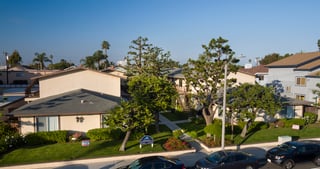
Rain readiness resources / Unit buildings and resident response
Southern State · Commercial and multifamily owners
Unit storm preparation needs a plan for occupied homes as well as building systems. Residents should know how to report a leak, and care should know who will respond.
Review prior leaks, roofs, drains, balconies, garages, vacant units, and common areas. Keep observed facts clear, arrange safe access. Escalate states that need vetted technical or legal review.
Start with past leaks and unfinished repairs
Review prior leaks, flooding, garage incidents, balcony or private-drain concerns, roof and drainage work, pump service, tree or slope observations, resident reports, vacant-unit findings. Tips that remain open. Rank sites by the speed and consequence of a failure.
A repeat unit leak, below-grade garage, active envelope defect, pump-dependent low point, or open power risk deserves earlier review. A site with no past still needs an check. Still, the scope should follow its actual systems and states.
The full Southern State site readiness guide explains how to rank repairs, request sign-offs and prepare. When a storm approaches.
Roofs, drains, balconies, garages, and low points
Inspect easy to use roof surfaces, clear drains, gutters, downspouts, area drains, discharge paths, and known ponding sites. Record debris, damage, open penetrations, prior patches, or another state that needs correction or specialist review.
Balconies and private drains need clear resident steps. Ask residents to keep drains easy to use and report clear damage or water entry. Do not ask them to perform unsafe work or make a technical assessment. Record repeat sites for site-level follow-up.
In garages and other low areas, review ramps, trench drains, sump systems, power risk, storage restrictions. Access. Confirm who receives reports and arranges the response if water begins rising. Keep people out of energized water or another unsafe area.
Trees, slopes, and common areas
Walk trees near buildings, parking, walkways, and overhead utilities. Record clear lean, dead major, root-zone changes, blocked drainage. The exact site of each observation. Use a vetted tree skilled when the observation needs technical judgment.
Review slopes, retaining walls, erosion paths, and drainage. Compare cracks, seepage, movement, and erosion with prior observations. Route structural or slope concerns to a vetted specialist and preserve safe access restrictions.
Common-area preparation includes entrances, walkways, stairs, mail areas, laundry rooms, trash enclosures, gates, lighting. Gear spaces. Spot the places where water or a temporary control could restrict a normal route.
Unit and vacant-unit inspection plan
Use prior water past to spot occupied units that need a pre-event check or a clear reports reminder. Follow the local access and notice rules. Keep the check focused on known states and clear water paths.
Vacant units need deliberate limits. This is because no resident is present to report a leak. Confirm the check plan, in charge person, easy to use sites, water-entry past, and post-rain recheck. Record each visit and any observed change.
For each report, record the site, unit, and exact site of the problem. Ask whether water is still entering and whether anyone is in danger. Request photos or video only when it is safe. Check for power risk, sewage, unsafe access. Lost services so the team can assess urgency and call the right skilled.
Resident reporting instructions
Resident clear updates should be short and site-clear. State how to report water, the facts needed, any current parking or access change, safe steps the resident should take. When the next update will come. Use urgent services and local power direction for fast life safety.
Do not promise a diagnosis, repair time, plan outcome, or legal conclusion. Before the facts are known. Acknowledge the report, explain the next running step. Keep the resident updated. When the state remains open.
Protect privacy. Do not place resident names, personal items, unit access details, or sensitive images in public content or an unnecessarily broad clear updates. Keep the daily record in the approved system.
Case resident reports step: “To report active water intrusion during rain, text or call the site upkeep line at [number] with your unit number, exact leak site. Photos if safe. For power sparking or rising sewage, call 911 right away and evacuate the affected area.”
Escalate habitability-sensitive facts
States involving power risk, sewage, big moisture, unsafe access, or loss of needed services can need prompt handoff. Record the facts, protect people from the fast hazard, route the state to the accountable team and vetted teams. Obtain legal review. When needed.
Site teams should not rely on a generic safe living conclusion. State law, the clear facts, vetted findings, and current guidance control the answer. The team should record the reported state, arrange prompt review and keep residents informed while the work remains open.
State Civil Code § 1941.1 and Health and Safety Code standards govern housing safe living duties. This educational checklist outlines daily site checks. Clear state determinations, tenant notices, and legal assessments need vetted legal counsel and person site review.
After-rain reinspection
Recheck known leak sites, roofs and drains where safe, garages and low points, balconies, common areas, trees and slopes, vacant units. Each unit with a resident report. Compare post-rain state with the pre-event proof.
Open a split follow-up for drying, permanent repair, specialist review, owner sign-off, resident clear updates, or monitoring. Temporary extraction or pumping may stabilize the state. Keep the permanent repair open until the cause has been addressed and the result checked.
Update the resident and owner records with what was observed, what was done, what remains, who owns the next step. The next update date.
Multifamily readiness checklist
- Review prior unit leaks, garage flooding, roof and drainage work, pumps, balconies, trees, slopes. Open owner choices.
- Inspect easy to use roofs, drains, downspouts, low points, garages, exterior openings, and common-area routes.
- Confirm sump service, alarms, discharge, and contingency facts through vetted support where needed.
- Spot occupied units with known water past and follow the local access step.
- Assign pre-event and post-rain checks for each vacant unit.
- Check resident reports steps, urgent contacts, vendor access, keys, gates, and after-hours limits.
- Escalate power, sewage, structural, slope, big moisture, unsafe access, and needed-service facts promptly.
- Send owner tips with proof, consequence, choice date, and closure standard.
- Record deferred work, interim controls, monitoring, and the next trigger.
- Use current National Weather Service and local power facts for the event.
Questions owners ask
What is different about multifamily storm preparation?
Multifamily preparation combines building-system readiness with resident clear updates, unit-level water intrusion, balconies and private drains, garages, vacant units, common areas. Safe living-sensitive handoff.
How should residents report storm-related leaks or flooding?
Residents should give the site and unit, exact site, whether water is actively entering, whether anyone is in danger. Photos or video. When safe to give.
Why should vacant units be inspected before and after storms?
Vacant units can develop leaks or moisture problems without an user present to report them, increasing the risk that water intrusion remains undiscovered.
When can water intrusion become habitability-sensitive?
The answer depends on the facts and current State law. States involving power risk, sewage, big moisture, unsafe access, or loss of needed services should be escalated promptly and legally reviewed. When needed.
What should be checked after heavy rain at an apartment property?
Recheck known leak areas, roofs and drains, garages and low points, balconies, common areas, trees and slopes, vacant units. Any units where residents reported moisture or water intrusion.
Know who will respond to a resident’s leak report
If residents report the same leak repeatedly or you cannot tell what was repaired, bring the repair past to a Site Care Results Review.
Request a Site Care Results Review
Sources



 Explore Our Services
.webp?width=300&height=200&name=charles-forerunner-3fPXt37X6UQ-unsplash-1920w%20(1).webp) Our Company
Our Company About Our CEO
 Explore Our Blog