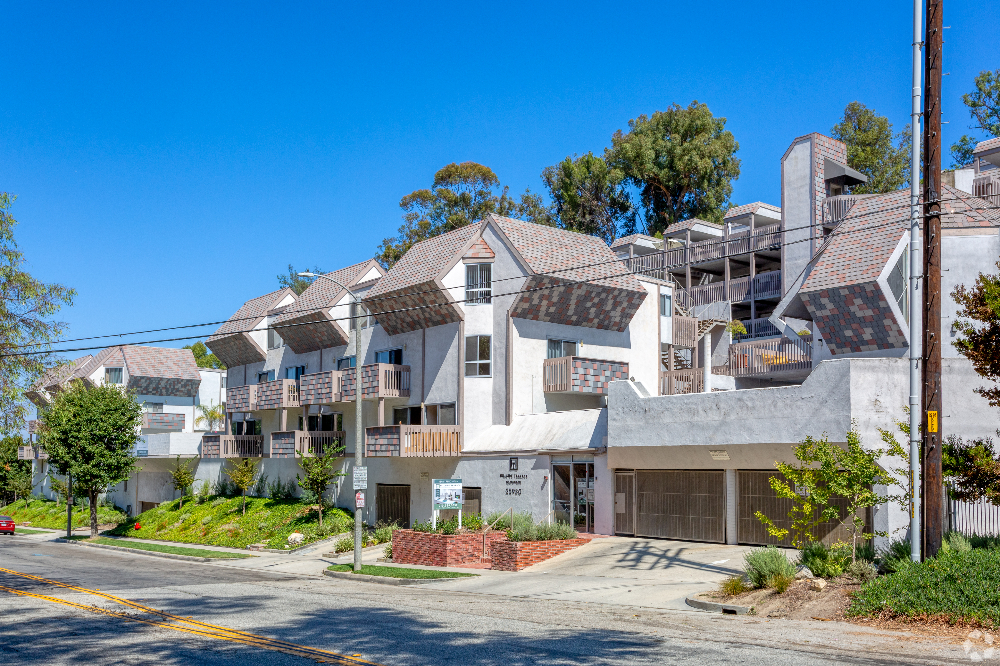
A Murrieta multifamily owner should be able to see which units are vacant, which renewals need attention, where rent remains unpaid and why a repair or turn is delayed. The manager’s report should connect those conditions to the supporting records, the person responsible and the next decision.
Use that standard when hiring, changing managers or reviewing the current arrangement. Ask for an operating plan matched to the building and an example of how the manager follows a problem through to resolution. A report can help expose a gap; it cannot guarantee performance or eliminate every surprise.
Start with the property, address and approved scope
Confirm the property address, unit count, current occupancy, lease and renewal dates, recurring repairs, staffing, ownership goals and available records. For an older building with several open turns, the first priorities may differ from a newer, fully occupied property. Set priorities from the actual condition and owner plan.
For local jurisdiction questions, start with the exact address. The City of Murrieta’s maps and zoning information page points to interactive mapping that can help check whether an address is within city limits. A mailing address alone is insufficient for assigning a local requirement. The city describes its maps as general information and disclaims a guarantee of accuracy; confirm a material boundary or permitting question with the responsible agency.
The management agreement should define inspections, reporting, follow-up, escalation and spending authority. Agree on the reporting dates and who handles resident communication. The operating standards in this guide are recommended comparison questions, not a statement that Murrieta requires every manager to follow this schedule.
Connect the monthly report to operating records
Ask for occupancy and leasing activity alongside upcoming renewals, unit turns, collection and delinquency aging, open maintenance, work-order aging, resident communication issues and budget variance. Keep the reporting period consistent so a vacancy, ledger balance and expense can be compared on the same basis.
A turn report should identify the unit, move-out date, approved work, vendor schedule, expected ready date and what still needs confirmation. A renewal pipeline needs the approaching date, current status and next action. A delinquency summary should trace to the resident ledger and the documented collection status, with private resident information kept in the appropriate system.
For a material expense change, show the budget, actual cost, explanation and any remaining commitment. For open repairs, show age, urgency, assigned vendor, approval status and the last resident update. The owner should know which decision is needed and when the manager will report back. Request an anonymized sample rather than another resident’s private file.
Trace a delayed unit turn
Illustrative turn example: A unit becomes vacant on day 0. The manager initially plans for it to be ready on day 6. Inspection on day 1 identifies painting and flooring work. Painting is scheduled to finish on day 4, but the flooring vendor cannot arrive until day 9. The manager now estimates day 10 for the final readiness check.
The owner needs the inspection findings, approved scope, actual vendor commitment, revised estimate and person responsible for follow-up. If a change requires owner approval, show that dependency separately. Confirm who updates the leasing team and any affected resident or prospect; an estimated date should not be presented as confirmed move-in readiness.
At the next review, ask whether the vendor attended, what was completed and whether the unit passed the required readiness check. The four-day change in the estimate deserves an explanation even if the work is progressing. These dates are hypothetical, not a Coastline service target or a result from a Murrieta property.
Review recurring warning signs
- Vacancy, delinquency or turn delays appear in reports without a cause, responsible person or next action.
- Resident requests and follow-up are missing from the service record or contradict what the resident was told.
- Open work grows older without urgency, vendor status or a review of recurring conditions.
- Renewals approach their decision dates without documented preparation and follow-up.
- Financial balances arrive without enough operating detail to explain a material change.
Compare a repeated problem with the agreed expectation and the response so far. A delayed turn can reflect vendor availability, approval, scope or another unresolved condition. Investigate the record before concluding that the manager caused the delay. Repeated gaps that remain unexplained deserve a specific corrective plan and review date.
Ask five questions before hiring or switching
- How do you connect leasing, renewals, turns and delinquency to the monthly owner report?
- What will I receive when a performance issue needs attention before the next reporting date?
- Who follows resident requests from the first report through the vendor work and closeout?
- How will the turn list show planned dates, actual progress, cost and unresolved dependencies?
- What are the proposed first 90-day priorities, which records need verification and what remains open after handoff?
Ask the prospective manager to work through the same property brief and sample problem. Compare the proposed responsibility, exclusions and owner workload. The first 90 days are a planning period to agree on, not a promise that every inherited problem will be solved. The multifamily manager selection guide explains the related vacancy, repair, reporting, authority and handoff questions.
Answer the remaining owner questions
What should a multifamily property manager do in Murrieta?
The written assignment should connect leasing, renewals, turns, resident communication, collections, maintenance and reporting to the owner’s plan. Identify what the manager handles, what requires owner direction and how an unresolved issue is carried forward. Actual responsibilities depend on the property and agreement.
When should an owner consider switching managers?
Consider a change when documented communication, reporting, repair or execution gaps repeat and the response fails to address them. Review the agreement and transfer dependencies before setting a date. Compare the replacement’s proposed work with the problems you need resolved.
What reports should owners expect?
Agree on a monthly package that links financial activity to leasing, renewal and turn status, delinquency aging, open work, resident issues and budget differences. Require explanations for material changes and a short list of owner decisions. The useful detail will vary with the building; a balance or vacancy total alone leaves important questions open.
Is Coastline Equity a fit for every Murrieta property?
Fit needs review of the property, portfolio, condition, owner goals, timing and requested responsibilities. Coastline’s services page describes commercial and multifamily management scope, reporting and owner approvals. A general service description does not establish the fee or approved work for a particular building.
Discuss the Murrieta management assignment
Use the Murrieta multifamily services page for the apartment management discussion and the Murrieta service-area overview for the broader local service paths. Prepare the current agreement, recent owner report, open-turn and maintenance lists, renewal dates and the decisions consuming owner time for an appropriate private conversation.
Request a Multifamily Management Proposal to start with the property details and your operating priority. The contact page checks service fit and identifies the appropriate next conversation. Submission does not guarantee a proposal, written report or turnaround time. Keep sensitive financial and resident records out of the initial inquiry form.