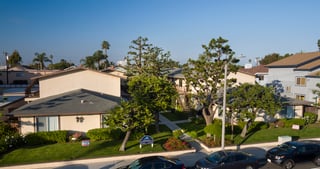
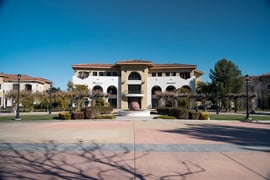
At a rental property, community starts with reliable service and shared spaces people can use. Owners can keep shared spaces working and offer ways to participate that residents may decline. The manager’s part is to assign work, communicate the next step, and keep the property record current.
Begin With the Basics of Trust
Community efforts cannot substitute for dependable management. Before planning events or amenities, make sure residents understand how to report maintenance, where to direct account questions, how emergencies are handled, and what conduct standards apply to shared spaces. The property team should acknowledge concerns, assign responsibility, and close the communication loop.
Trust is strengthened when the same standards are applied consistently and exceptions are explained. That means maintaining accurate records, protecting privacy, using approved communication channels, and avoiding favoritism. A resident should not need a personal relationship with management to receive appropriate service.
Design Participation That Fits the Property
Every building has a different resident mix, physical layout, budget, and set of governing rules. A community approach should begin with those facts. A small property may benefit from a simple seasonal notice or shared-space reminder. A larger property may have room for a resident event, resource board, or structured feedback process.
Keep Participation Voluntary
Residents should be free to join or decline community activities. Communications should be accessible, neutral, and relevant to the tenancy. Avoid programs that expose private information, create pressure to socialize, or favor a protected group. The California Civil Rights Department housing guide explains equal access and reasonable accommodation; review a specific request against the property’s facts and applicable requirements.
Connect Ideas to an Operating Owner
Each initiative needs a responsible person, an approved scope, a budget if applicable, a date, and a way to confirm completion. Without ownership, even a modest idea can produce confusion for residents and staff. Record feedback after the activity, but do not turn informal comments into a testimonial or a claim about property performance.
Use Communication as Infrastructure
Community communication should help people understand the property. Useful topics can include planned maintenance, access changes, shared-area expectations, local service information, emergency preparedness, and ways to submit feedback. Messages should distinguish required notices from optional community updates.
A resident portal or digital channel can organize communication when it is available, but adoption alone does not prove satisfaction or management quality. Offer a workable path for residents who need another approved channel, and maintain records according to the property's policies and legal requirements.
Care for Shared Spaces Deliberately
Shared spaces communicate the property's operating standard. Inspect lighting, entries, walkways, waste areas, laundry rooms, landscaping, signage, and access systems on an appropriate schedule. Record conditions and assign follow-up. For example, if a resident reports a dark laundry room, log the location, assign an inspection, give residents a practical update, and verify the repair before closing the item. When improvements are considered, evaluate safety, accessibility, maintenance needs, resident use, cost, and alignment with the owner's property plan.
Before adding a garden, seating, or local partnership, ask who will maintain it, how residents can use it, what it costs, and how it fits the property plan.
Evaluate Community Work Without Overclaiming
Owners can review whether planned activities occurred, whether communications reached the intended audience, whether concerns were routed correctly, and whether shared-space work was completed. Resident feedback can inform decisions when it is collected respectfully and interpreted with care.
The purpose of review is to improve the operating plan. If participation is low, the answer may be to change the format, ask a better question, or stop an activity that does not fit the property. If recurring concerns appear, assign them to maintenance, resident service, or ownership rather than leaving them inside a general community program.
Build From a Property-Level Plan
Put community work in the normal property plan alongside maintenance, resident service, leasing, and reporting. Coastline’s multifamily services overview shows that operating scope; the actual assignment and budget depend on the property.
For each activity, record its purpose, responsible person, cost, resident notice, and follow-up. Keep the basic service work visible while deciding which optional activities fit.
Property-specific review: Check activity plans against the property’s rules, resident needs, and applicable housing requirements.
Contact Coastline Equity to discuss a resident-experience plan grounded in your property's needs.



 Explore Our Services
.webp?width=300&height=200&name=charles-forerunner-3fPXt37X6UQ-unsplash-1920w%20(1).webp) Our Company
Our Company About Our CEO
 Explore Our Blog