An effective rental listing gives a prospective resident enough accurate information to decide whether to inquire. Identify the available home, describe its features clearly, explain the costs and terms, show its current condition and provide a working response path. Those details are useful whether the local market is busy or slow.
Start with the available home and a factual headline
Confirm the address, unit, bedroom and bathroom count, availability date and approved asking terms before writing. Use a specific feature in the headline when it is accurate. “Sunny 2-Bedroom with Private Patio Near Downtown San Jose” is an illustrative option only if the actual unit has that patio, light and location. Explain the distance or route behind “near” rather than assuming the reader knows the area.
Lead with the home’s most useful verified details. Follow with the information needed to compare it: layout, included appliances, laundry, parking and access. A headline cannot compensate for a description that omits the rent or advertises a feature the available unit does not have.
Use photographs that show the current condition
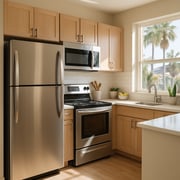
Build a photo sequence around the actual apartment or home: the main living area, kitchen, bedrooms, bathrooms, private outdoor space and relevant building access or amenities. Use clear images and enough context to show how rooms connect. Daylight can help reveal a room, but glare, heavy filters or distorted angles can obscure its condition.
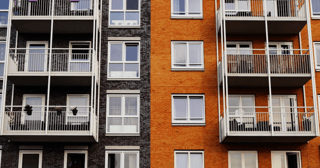
Identify a representative floor plan or model-unit image when it is not the available unit, and explain any material difference. Verify permission to use the photographs and keep private occupant information out of them. Show a rooftop, café or park as neighborhood context only when access and location are accurate; a nearby amenity is not necessarily included with the rental.
Explain costs, terms and property policies
State the actual monthly rent and distinguish it from a promotional effective figure. Identify the deposit, included utilities, resident-paid utilities, parking availability and charges, and any other applicable fees. Explain a concession’s conditions and dates. Use terms already approved for that property and checked against applicable requirements; an attractive description does not authorize a new deposit, fee or lease arrangement.
Describe ordinary pet terms and provide the appropriate accommodation-request path. Explain the offered lease term, move-in timing and how to request current written application information. If an appliance is advertised as energy-efficient, verify the model or rating rather than promising a particular utility saving. A flexible lease in Berkeley or Davis should be an actual approved option, not an assumption based on the city’s academic calendar.
California Government Code §12955(c) prohibits housing advertisements that indicate a preference, limitation or discrimination based on the protected characteristics it lists, including familial status, disability and source of income. Keep descriptions focused on the home and its terms. Review any eligibility or accommodation language under the requirements that apply to the property; this guide does not decide a particular applicant’s eligibility.
Use the platform’s fields and current rules
Complete the address, price, availability, amenity and contact fields used by the platform. As checked October 4, 2026, Zillow’s published rental-listing quality policy, marked updated June 2023, requires a complete address and current, accurate listings. It excludes contact information, HTML and website URLs from the description; a website URL may use its dedicated field where permitted. Follow the current account instructions for the platform and listing type you use.
Zillow, Craigslist and Apartments.com have their own requirements. Check each destination rather than assuming one description format fits all three. For a syndicated listing, reconcile the source record and the actual public display after an update. Verify what is visible, not just what was entered.
Use plain, accurate feature terms such as “in-unit laundry” or “near BART” when supported by the unit and location. Confirm any rent-control statement against the property’s actual coverage before using it. These terms help explain the offer; no keyword here guarantees a search position or additional inquiries.
A hypothetical listing with the details connected
Fictional example, not a Coastline listing or policy: the following details demonstrate how the fields and description can agree. All amounts, features and dates are invented. Replace them with verified property information and reviewed terms before publishing a real advertisement.
- Headline: Two-bedroom apartment with private patio in [verified neighborhood].
- Address and availability: [Complete verified address and unit], available November 1, 2026.
- Monthly rent and term: $2,200 per month, 12-month lease, no concession in this example.
- Deposit and other charges: $2,200 deposit. No application, separate pet or other move-in fee in this example. With a full first month, rent plus deposit totals $4,400; resident-paid utility costs are additional.
- Utilities and parking: Water and trash included; resident arranges electricity. One assigned parking space included at no separate charge.
- Features and photos: Two bedrooms, one bathroom, refrigerator, range, in-unit laundry and private patio. Current photos show this unit; building exterior and entrance images are labeled separately.
- Pets and application information: Pets permitted without a separate charge in this fictional example. Use the leasing contact for full written terms, accommodation requests and current application information.
- Tour and response: Request a tour through the platform’s contact field. The leasing office replies during its stated hours and confirms a time before the visit. Put actual contact details and hours in the permitted fields.
In the description, connect those facts in ordinary sentences: “This two-bedroom, one-bathroom apartment includes in-unit laundry and a private patio. Water, trash and one assigned parking space are included in the monthly rent. Review the current unit photos and use the contact field to request a confirmed tour.” The example includes no claimed commute time, school quality or preferred resident type.
Choose timing you can support with a response
Publish when the advertised availability and showing arrangements are confirmed and someone can handle inquiries. Academic dates may inform planning where they are relevant, but they do not establish who should be eligible for the home. Keep the opportunity accessible to relocating prospects and other households.
Test posting times using the platform’s available records for comparable units and reporting periods. Separate listing views, inquiries, completed tours, applications and leases. Note changes in rent, inventory, photos and response coverage. Without those records, a Thursday or Friday posting preference is an untested choice, not proof of a weekend traffic advantage.
Our apartment-tour scheduling guide explains host coverage and confirmations after an inquiry. The separate local apartment-marketing guide covers neighborhood campaigns and how to measure them. Use this article for the accuracy and completeness of the individual listing.
Keep the public listing current
Read the public version on a phone as well as a desktop. Check that the headline, rent, deposit, photos, availability and contact path match the source record. Correct inconsistencies across active destinations. Follow the platform’s removal or update requirements when availability changes, including the feed provider’s process if the listing is syndicated.
If inquiries repeatedly ask the same question, see whether the listing answers it clearly. If prospects inquire but cannot arrange a visit, inspect the response and showing process. Keep a dated record of the change and review the next reporting period before attributing a result to the new wording.